Historically speaking, fiscal incentives were an integral part of the set of fiscal mechanisms that the states of the world used to attract foreign direct investments.
For more information, please see the Romanian version of the article, here.


ArticlesPassport Connect
ArticlesThe psychology of money and the new frontier in wealth management
ArticlesHow do you generate growth when traditional consumption growth is slowing?
ArticlesHow to build resilient teams without creating stress
InterviewsA New Definition of Luxury, 140 Years in the Making
InterviewsLEADERSHIP IN MOTION
InterviewsWITH BATTERIES PERMANENTLY CHARGED
InterviewsPUTTING ROMANIAN CORPORATE COMPANIES ON THE INTERNATIONAL BUSINESS SCENE
InterviewsOUR EDGE WILL COME FROM BEING THE MOST DIGITALIZED WHOLESALER IN ROMANIA
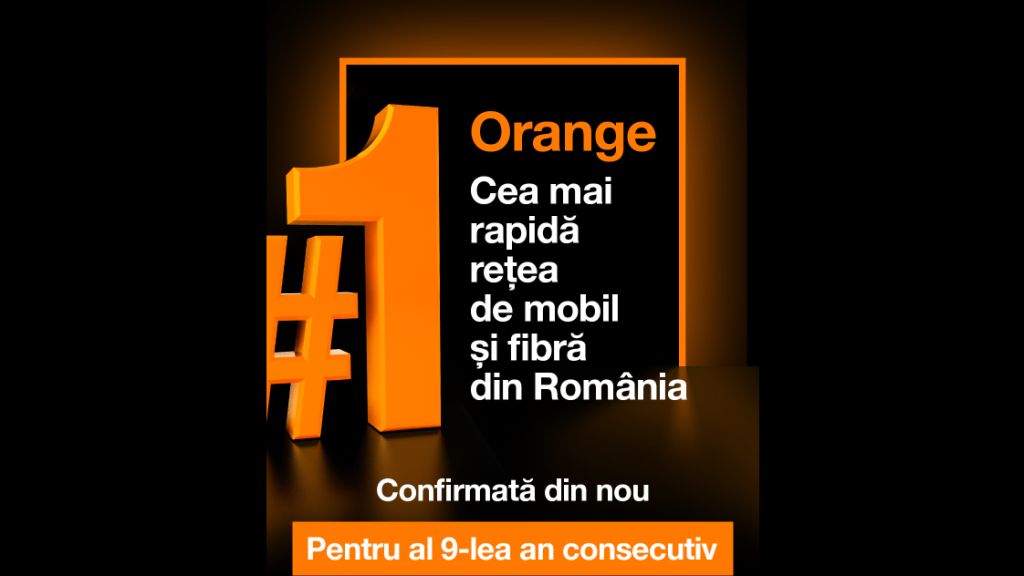
NewsOrange is the fastest mobile and fibre network in Romania, for the ninth consecutive year

Authors: Razvan Ungureanu, Director, Direct Taxes, EY Romania and Teona Braia, Manager, Direct Taxes, EY Romania
Historically speaking, fiscal incentives were an integral part of the set of fiscal mechanisms that the states of the world used to attract foreign direct investments.
For more information, please see the Romanian version of the article, here.