
The global insurance market is entering a phase of rapid expansion, with premiums expected to increase by 150% until 2035, amid a growing demand for protection, expansion in underserved markets and the digital innovation of the industry, according to the Deloitte study "The future of insurance 2035. Anticipating change, building resilience, and securing long-term relevance".
In the life and health insurance segment, the market is estimated to grow by around 3% annually until 2035, when it could reach 4,800 billion dollars, after recording the strongest advance in the last decade in 2024 (when global premiums grew by 5%), mainly driven by products with a savings component. At the same time, health insurance is expected to grow faster than life insurance, amid rising medical costs and increasing pressure on public health systems.
In the property and casualty segment, the market has doubled in size in the last two decades, reaching 2,400 billion dollars at the end of last year, and is expected to double again by 2040. Demand will be fueled from two major directions – growth in property insurance, in the context of increasing risks from natural disasters, and the increasing of complex commercial risks, from cyber threats to supply chain disruptions and environmental challenges.
The growth of the global insurance market will be sustained, but uneven, at a pace which is stabilizing in advanced economies and accelerating in emerging markets, driven by the expansion of the middle class, the rapid adoption of digital technology and the reform of social protection systems.
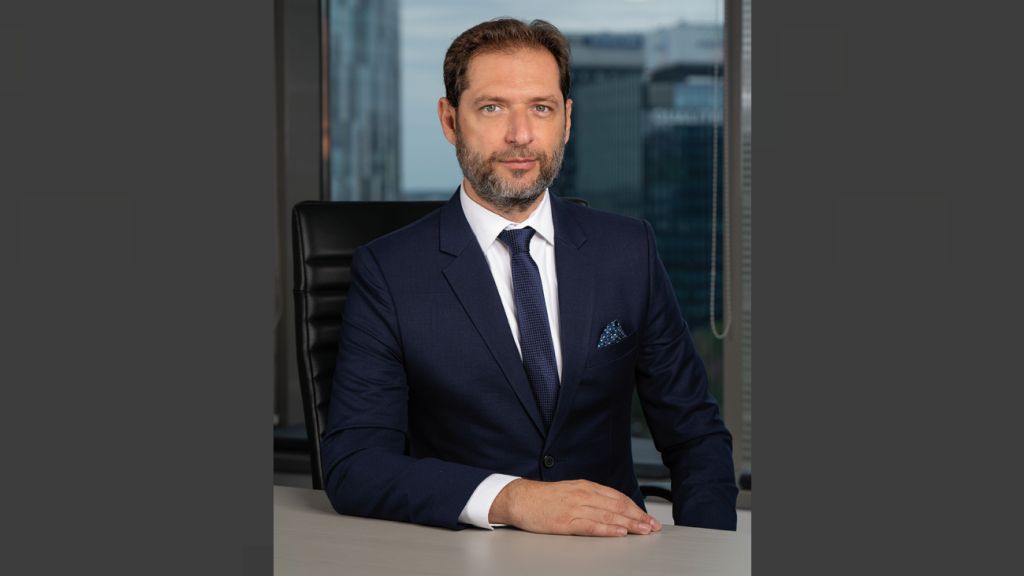
"The rapid advance of the global insurance market reflects a structural change in the risk profile and in the demand for protection solutions. As risks become more diverse and complex, so do customer expectations, both in terms of coverage and how products are accessed. In this context, companies that invest early in digitalization, adapt their distribution models and develop relevant products will be better positioned to capitalize on the growth opportunities of the next decade. The modernization of financial reporting processes, amid the tightening regulatory requirements, can also be managed more efficiently through technology and advanced data analytics and it can also lead to improvements in transparency and in the quality of information provided," said Claudiu Ghiurluc, Audit and Assurance Partner, Deloitte Romania.
Aging population is one of the trends that will transform the global insurance market. According to the study, by 2030, one in six people in the world will be over 60 years old, which will generate a growing demand for protective products and medical services, especially for people with chronic conditions.
Another trend identified by the study is the widening protection gaps, in the context of the expansion of the global middle class from about two billion to 3.5 billion people by 2030, mostly in Asia. Thus, insurers will face pressure to serve high-risk communities, which are frequently exposed to natural disasters and underinsured, and affected by inequalities in income distribution, limited access to financial services and low levels of adequate protection.
Lifestyle changes will also influence developments in the insurance market. Younger generations are reconsidering asset ownership (for example, the share of Canadians aged 18 to 34 who own a home has fallen from 47% in 2021 to 26% in 2024), and consumers want flexible, personalized, non-standardized products.
At the same time, rethinking mobility will change the insurance industry. As the car-sharing market grows and private car ownership becomes less attractive in urban areas, insurers will need to redefine their risk assessment models by adapting to on-demand mobility services as an alternative to owning a personal car.
Proliferation of artificial intelligence (AI) and technology is another trend identified by the study. The global wearable technology market is estimated to reach 100 billion dollars by 2029, and the Internet of Things (IoT), sensors, and continuous data streams, combined with AI, will transform the way insurers assess risk.
In a context increasingly influenced by frequent geopolitical crises, macroeconomic tensions and major disruptions, such as dysfunctions in supply chains or cyberattacks, global instability is becoming the norm, and adaptability and resilience are emerging as essential competitive advantages for insurers.
At the same time, climate change is a long-term pressure factor. If current warming projections continue, the economic impact of climate change is estimated to reach 7-10% of global GDP by 2050. The increase in the frequency of extreme events will prompt companies to accelerate sustainability innovation, both to comply with regulatory requirements and to meet rising consumer expectations.
The study also shows that, with approximately 48% of the global population lacking basic forms of social protection, the public and private sectors will work together to reduce existing gaps in areas such as healthcare, social services or resilience to extreme weather events, especially for vulnerable communities.
"In Romania, the global trends highlight the growth potential of the insurance industry. The low level of insurance penetration points to insufficient risk coverage, while demand for protective products - including in areas such as health, agriculture or cyber risks - remains underexploited. In parallel, digitalization is accelerating the change in consumer behavior and reducing barriers to access. Insurers that succeed in simplifying their offerings and adapting them to local market needs can support a faster and more sustainable growth of the market in the coming period", said Ana Serban, Actuarial and Insurance Solutions Director, Deloitte Romania.
The study analyzes the potential evolution of the global insurance market between 2024 and 2035, covering the life and health segment, as well as the property and casualty, and provides a broad perspective on the main changes that will transform the industry. The analysis is based on market data, macroeconomic projections and insights from global risk management leaders.
Deloitte provides industry-leading audit and assurance, tax and legal, consulting, financial advisory, and risk advisory services to nearly 90% of the Fortune Global 500® and thousands of private companies. The firm’s professionals deliver measurable and lasting results that help reinforce public trust in capital markets, enable clients to transform and thrive, and lead the way toward a stronger economy, a more equitable society and a sustainable world. Building on its 180-plus year history, Deloitte spans more than 150 countries and territories. Its objective is to make an impact that matters through its over 470,000 people worldwide.
Deloitte Romania is one of the leading professional services organizations in the country providing, in cooperation with Reff & Associates | Deloitte Legal, services in audit, tax, legal, consulting, financial advisory, risk advisory, business processes as well as technology services and other related services, through 3,300 professionals.
Please see Deloitte.ro to learn more about the global network of member firms.