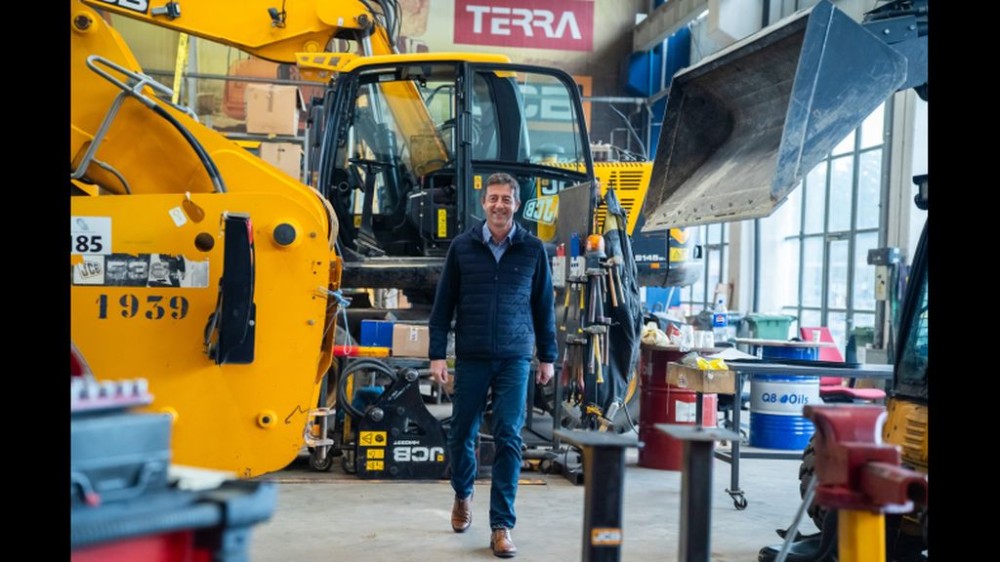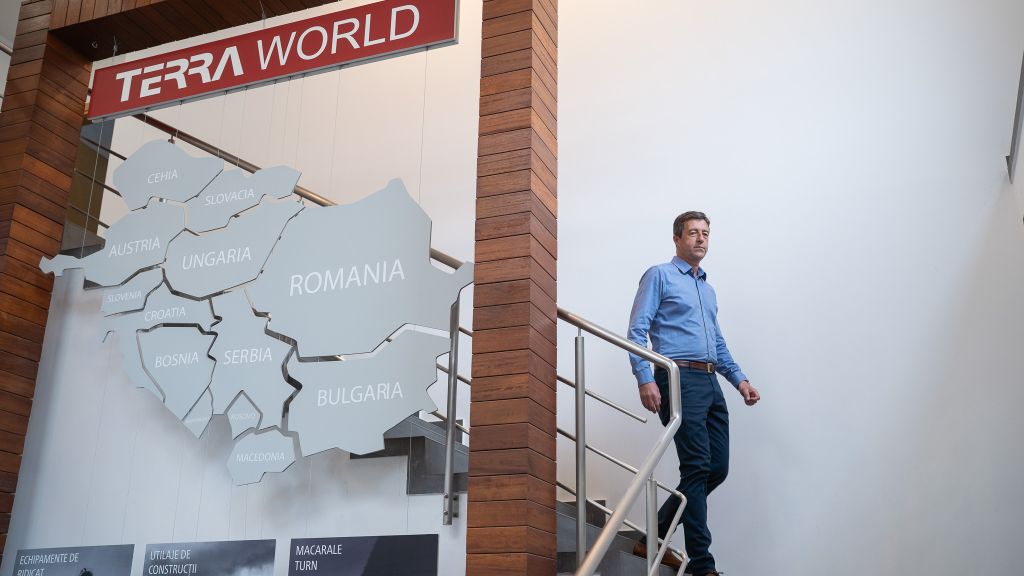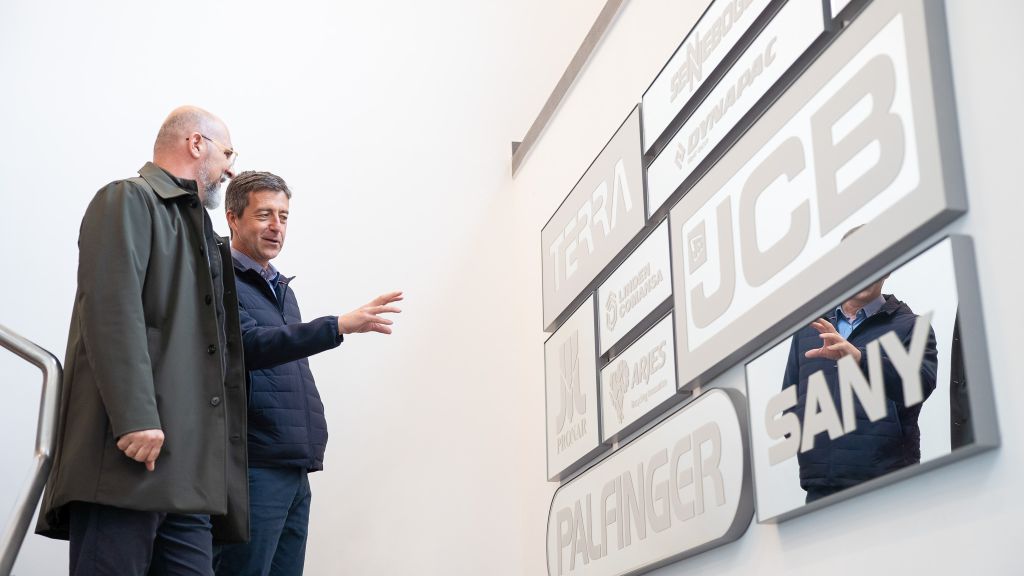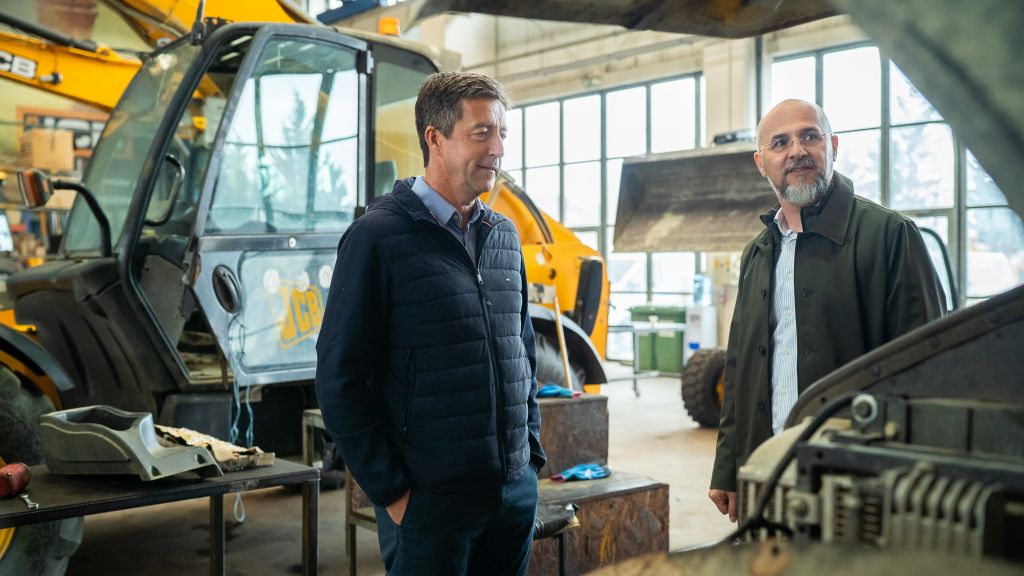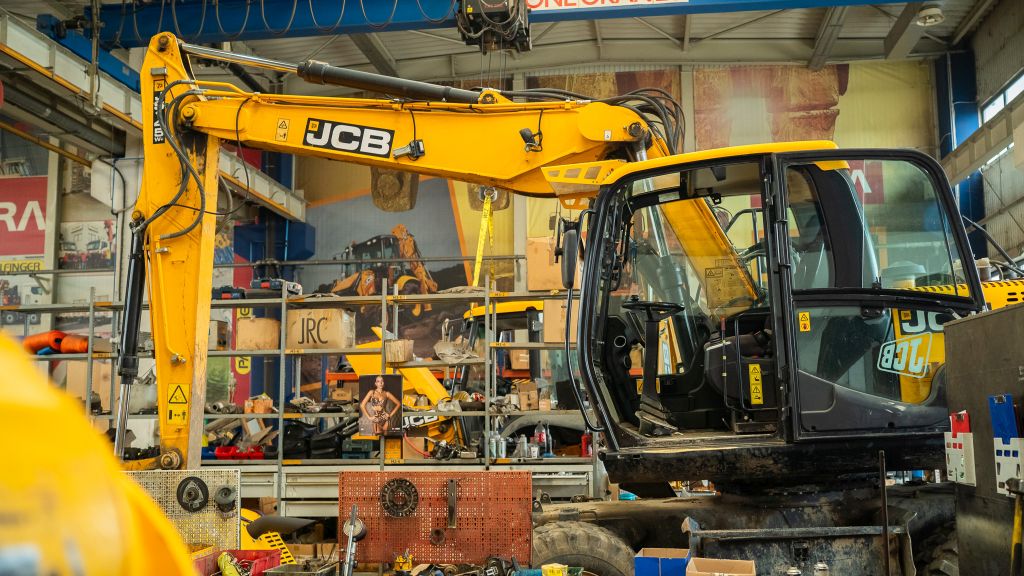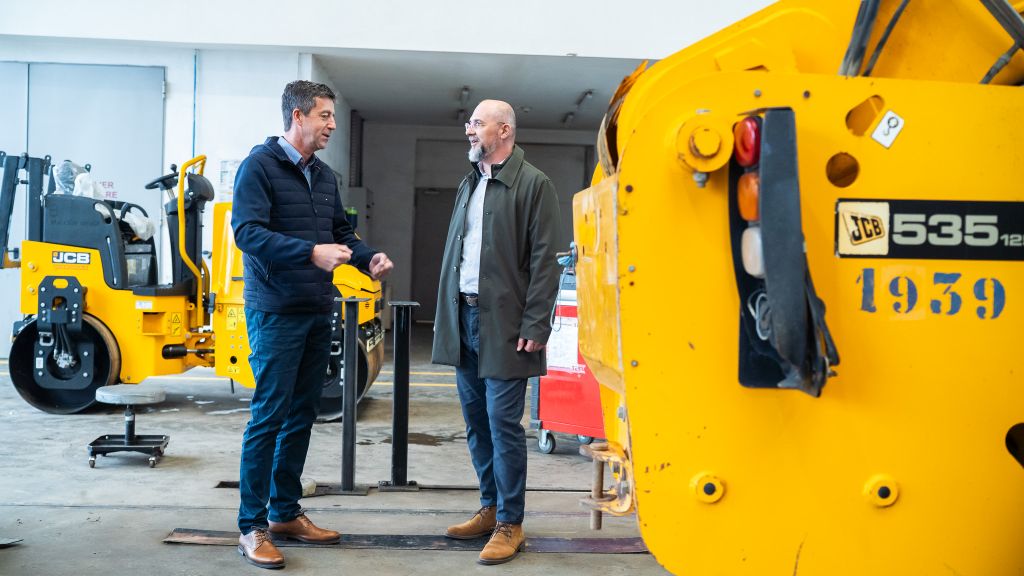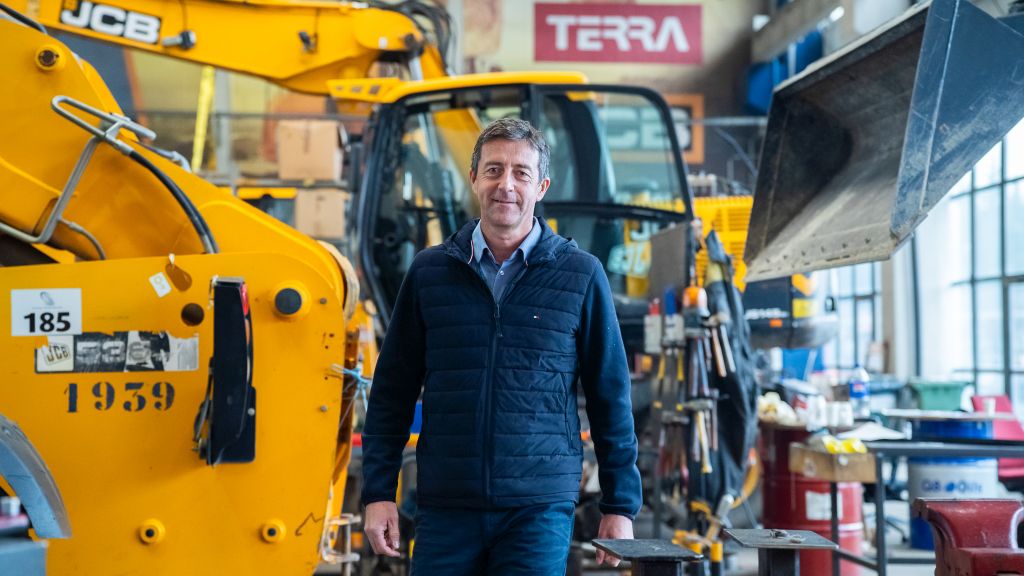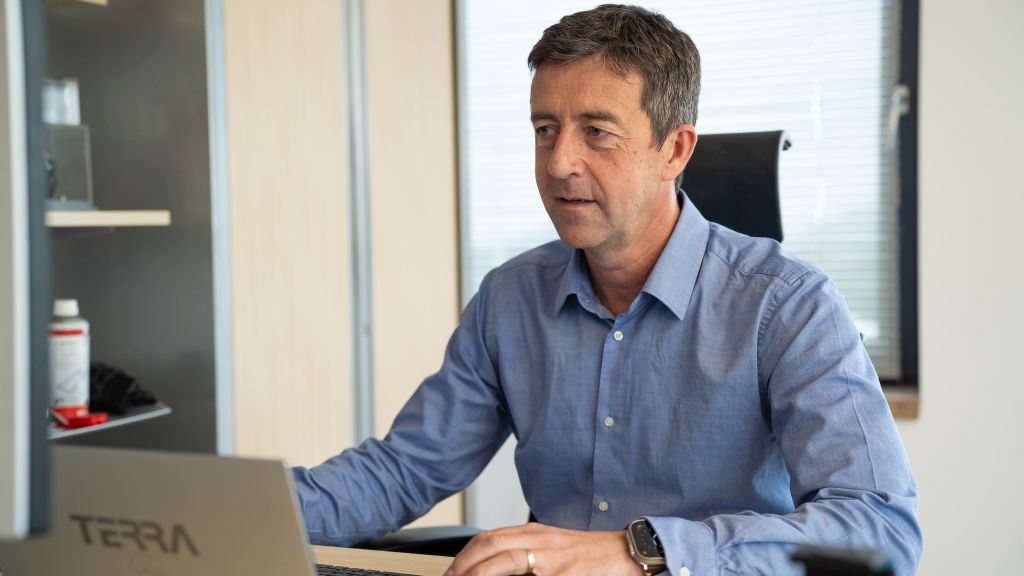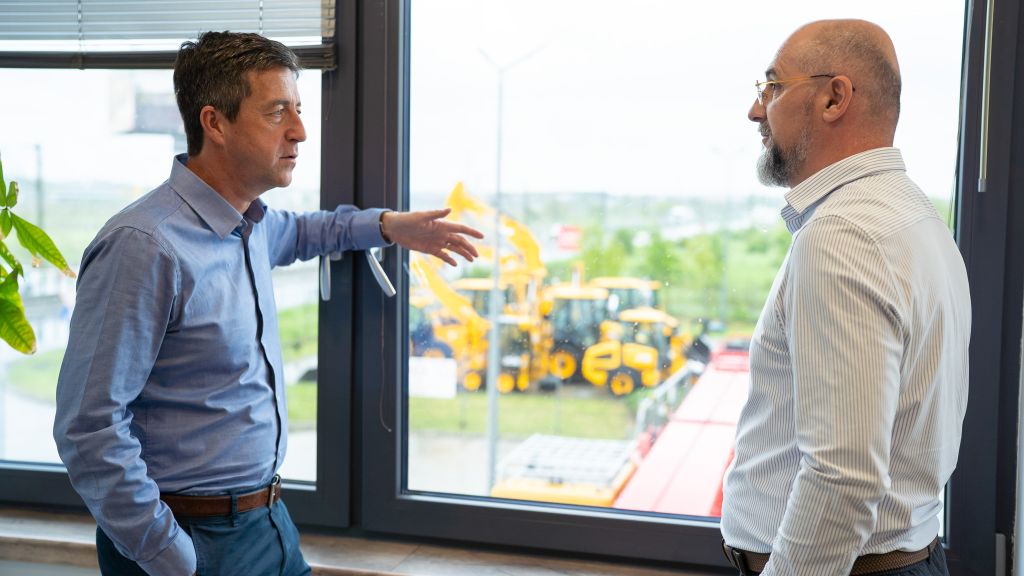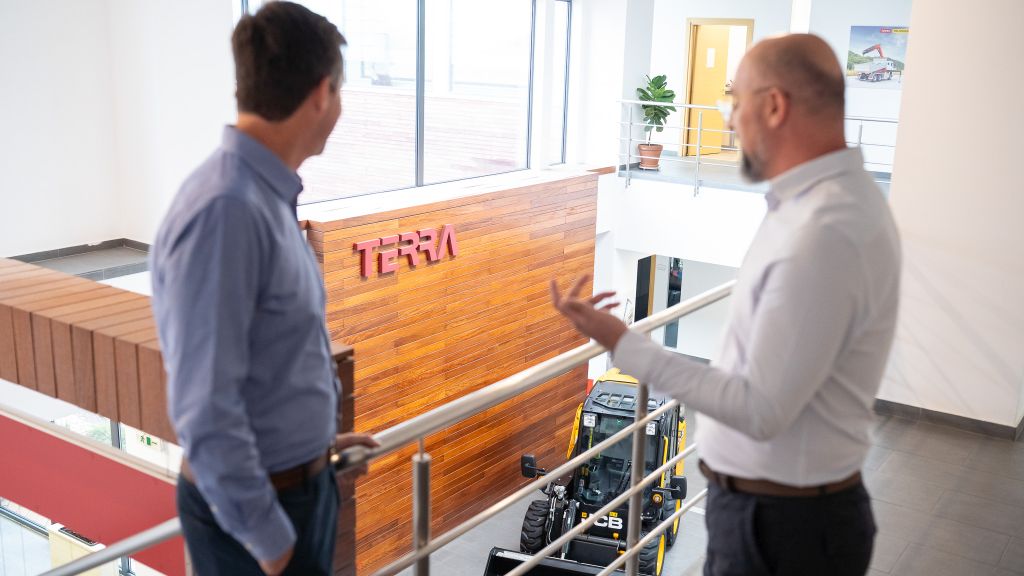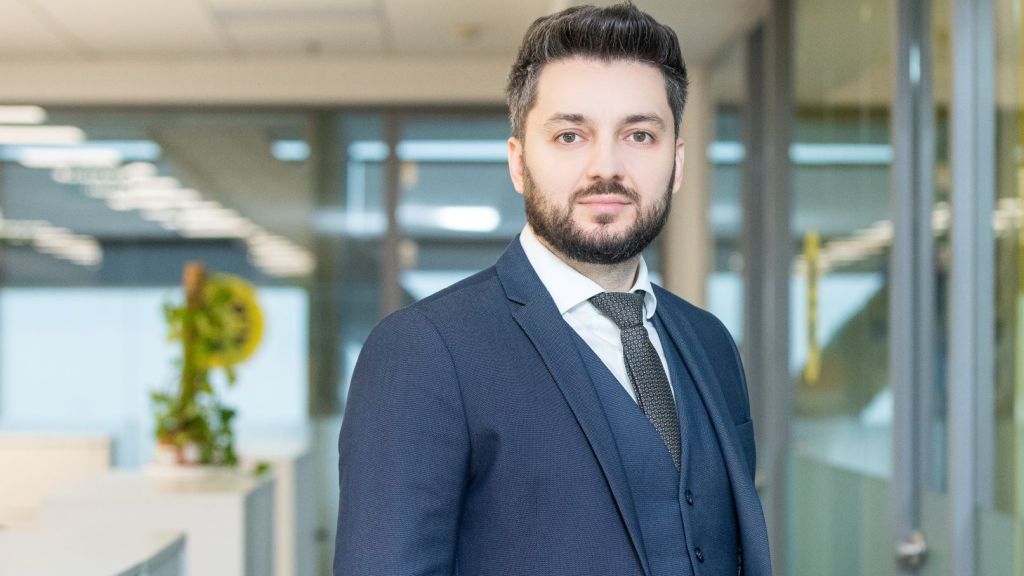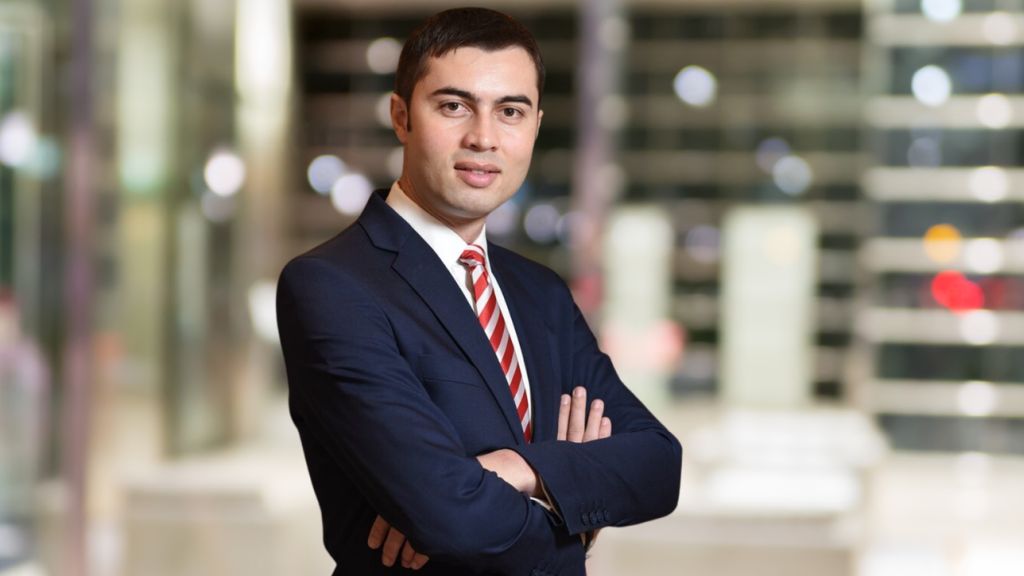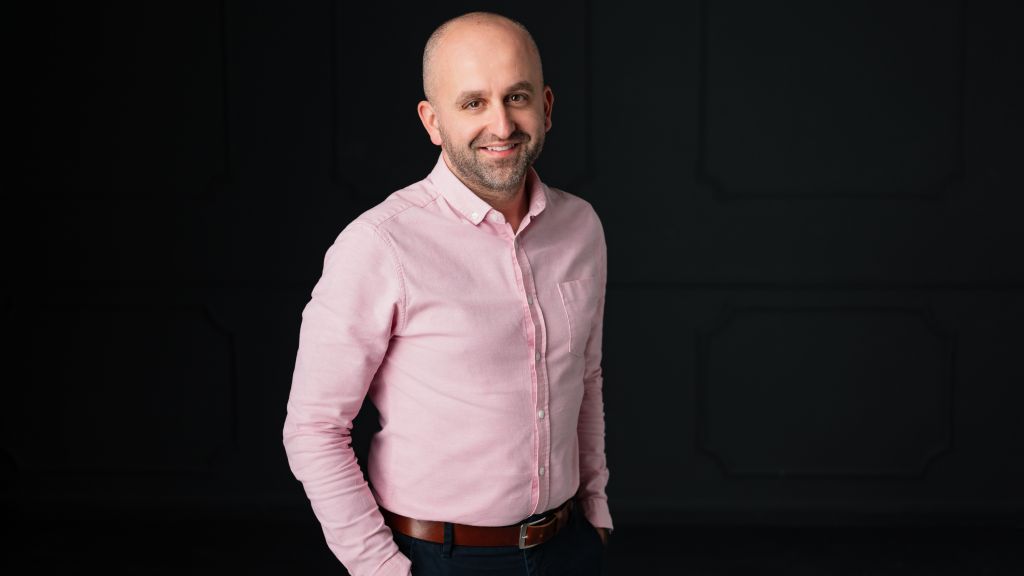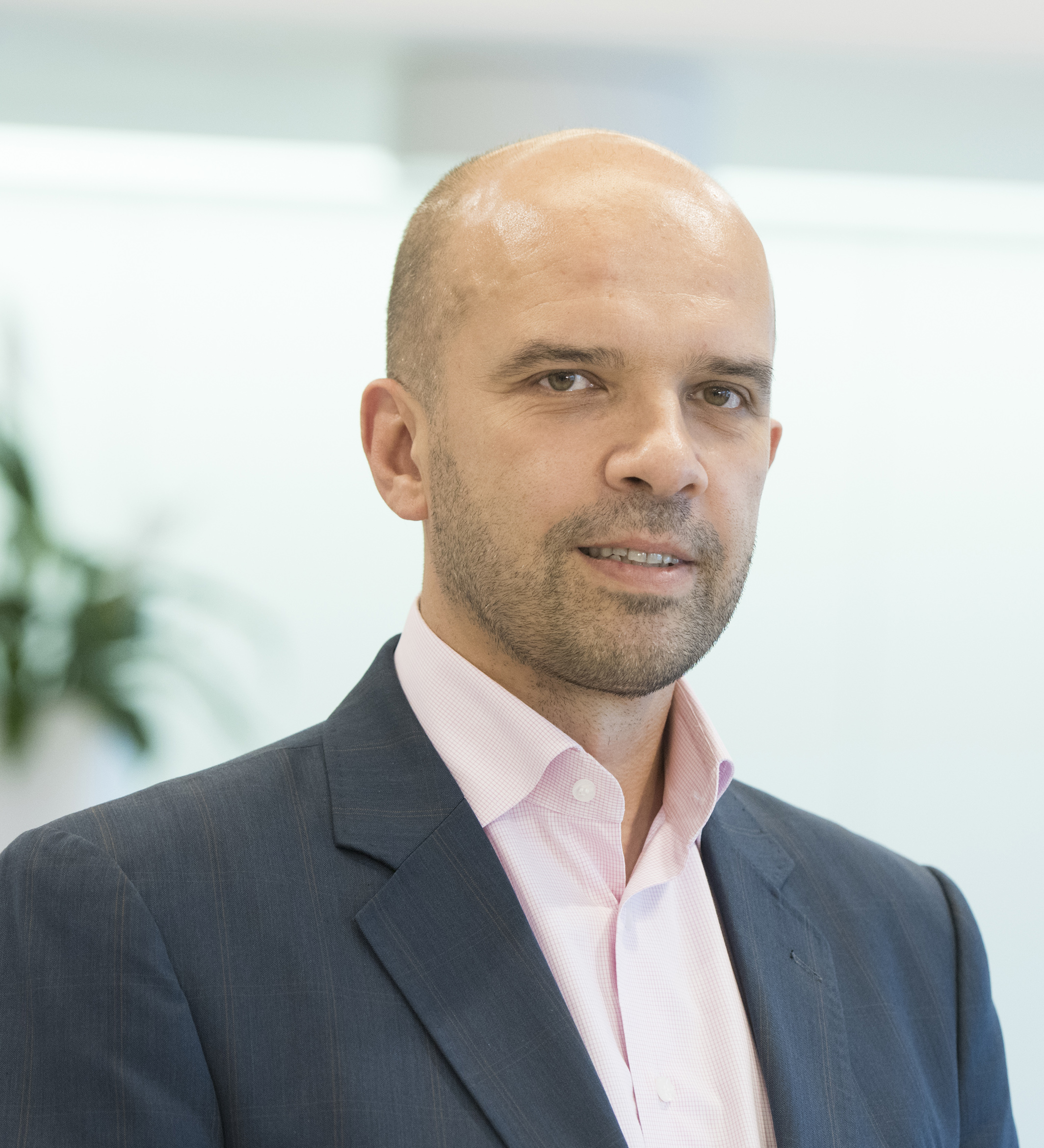
Some interviews are simply read. Others draw you straight into the story. This one is about pace, difficult decisions, a passion for speed, and leadership lived in the field rather than merely discussed from behind a desk. From the dreams of a young man fascinated by technology to the real-life challenges of a CEO who brings the same intensity to both business and life, our conversation with Victor Vasluian, CEO of Terra Romania, is filled with energy, sincerity, and that kind of authenticity that makes you want to keep reading.
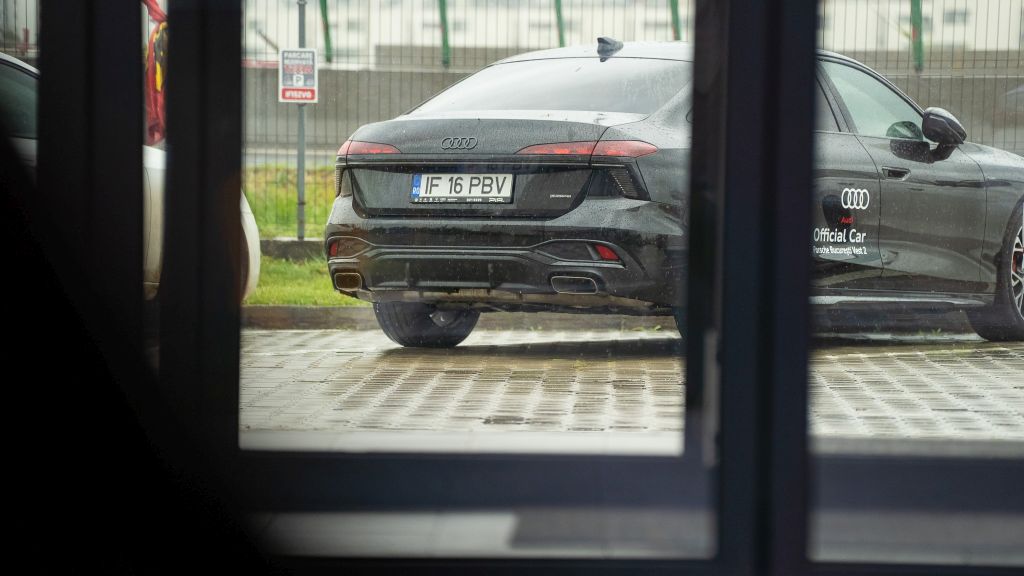
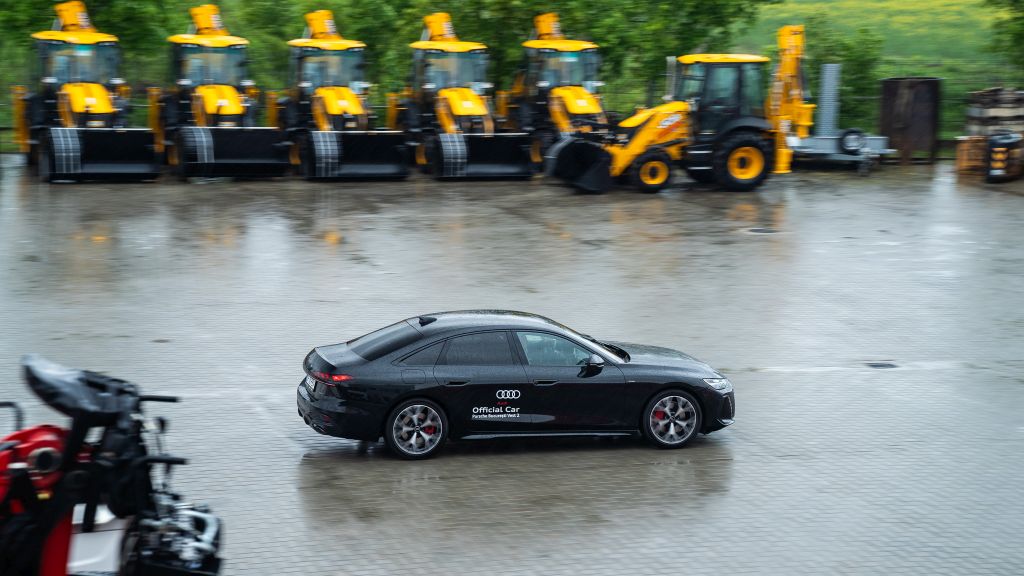
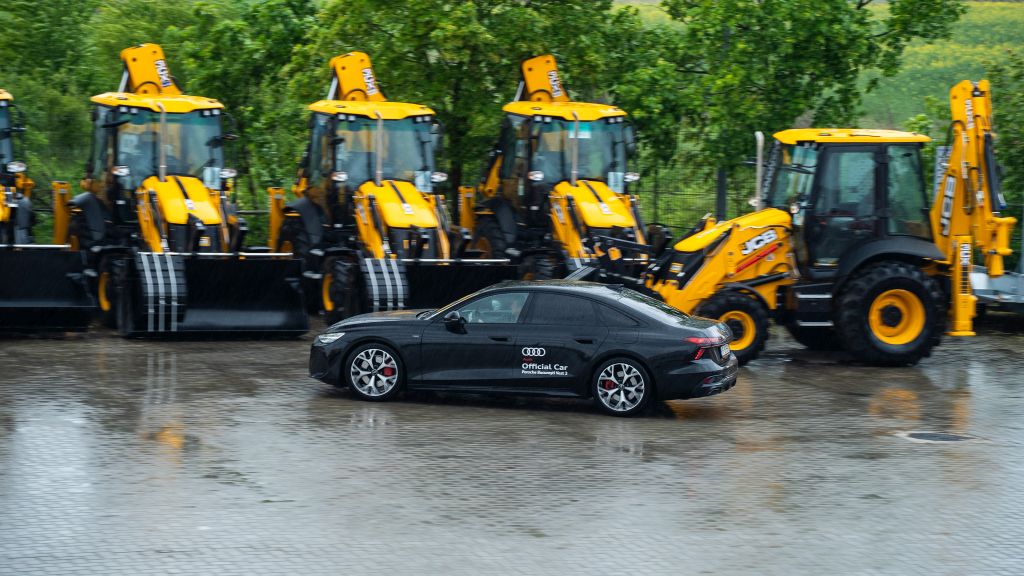
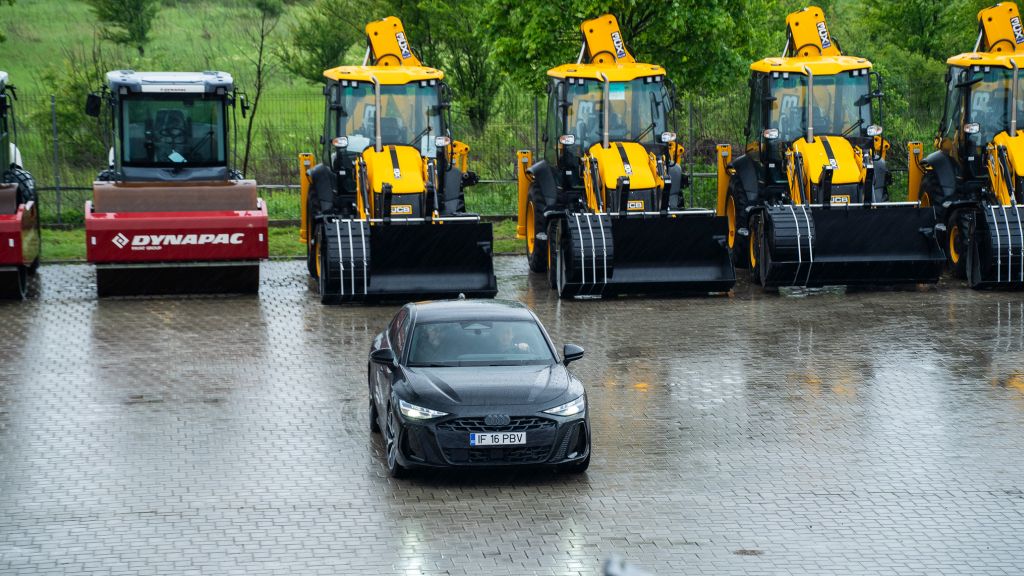
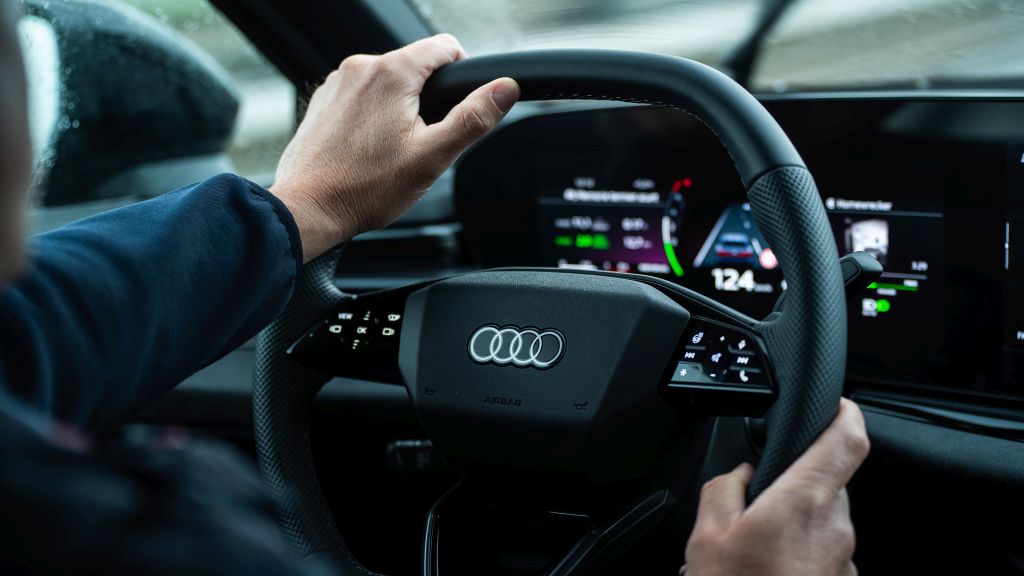
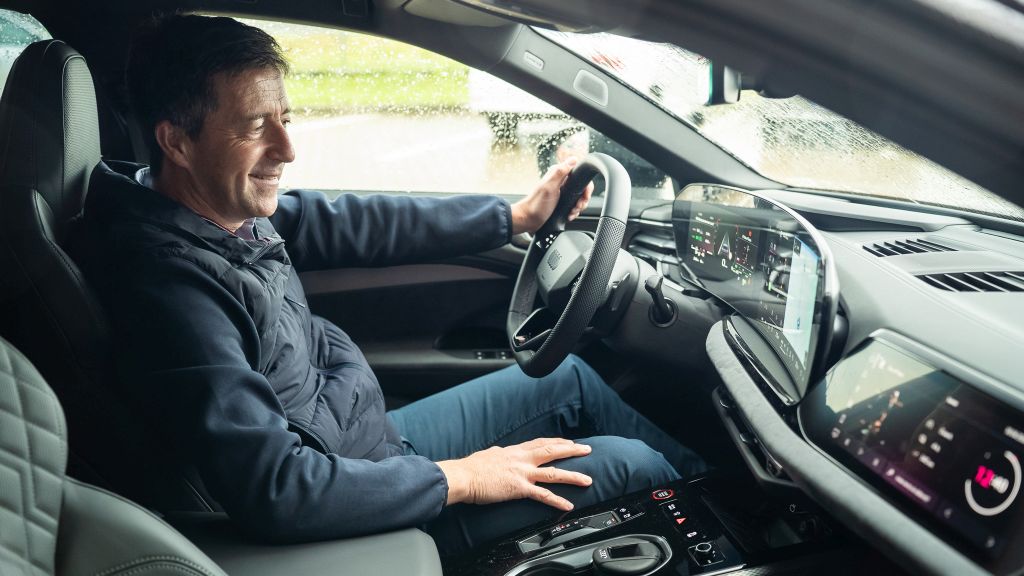
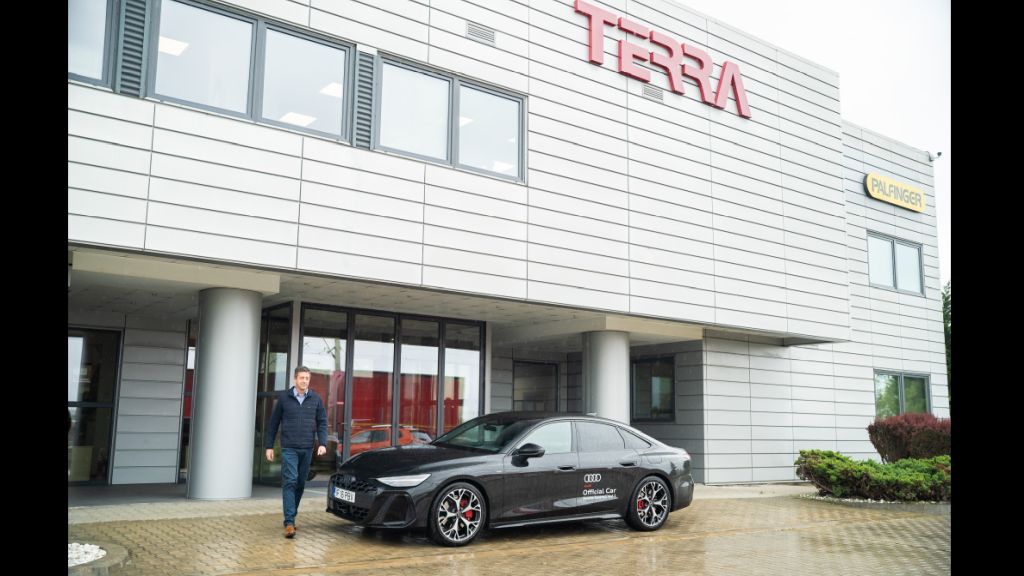
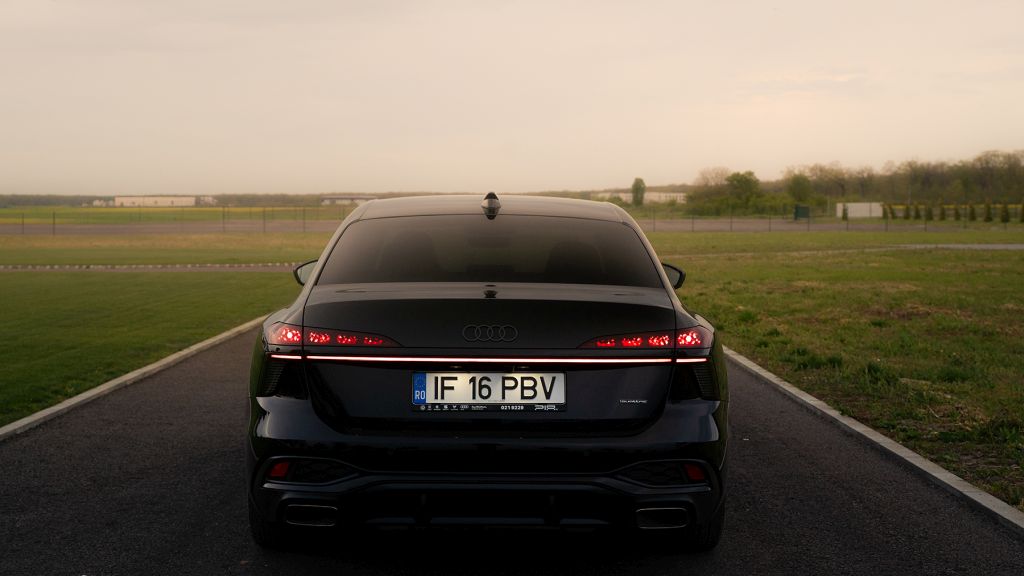
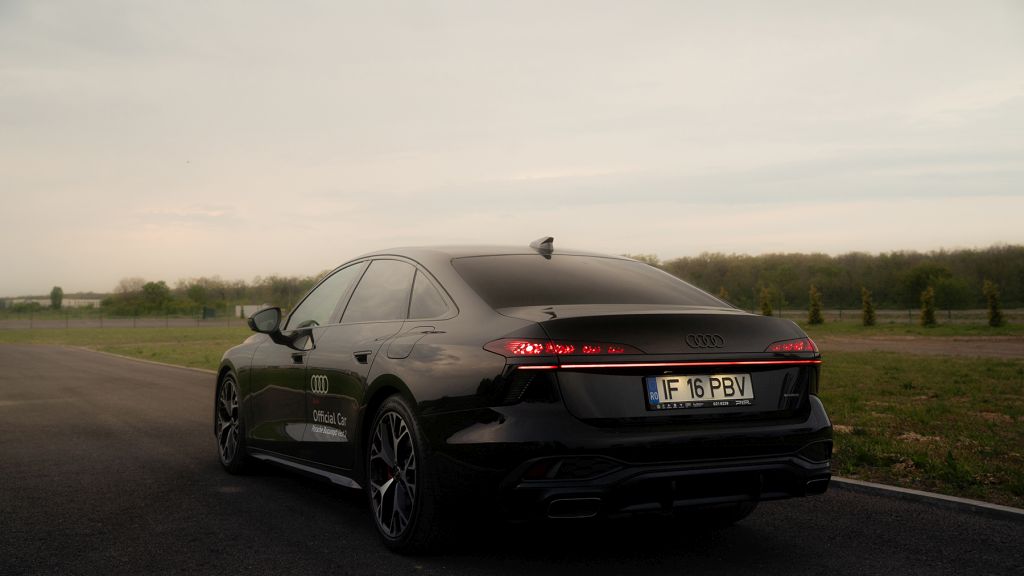
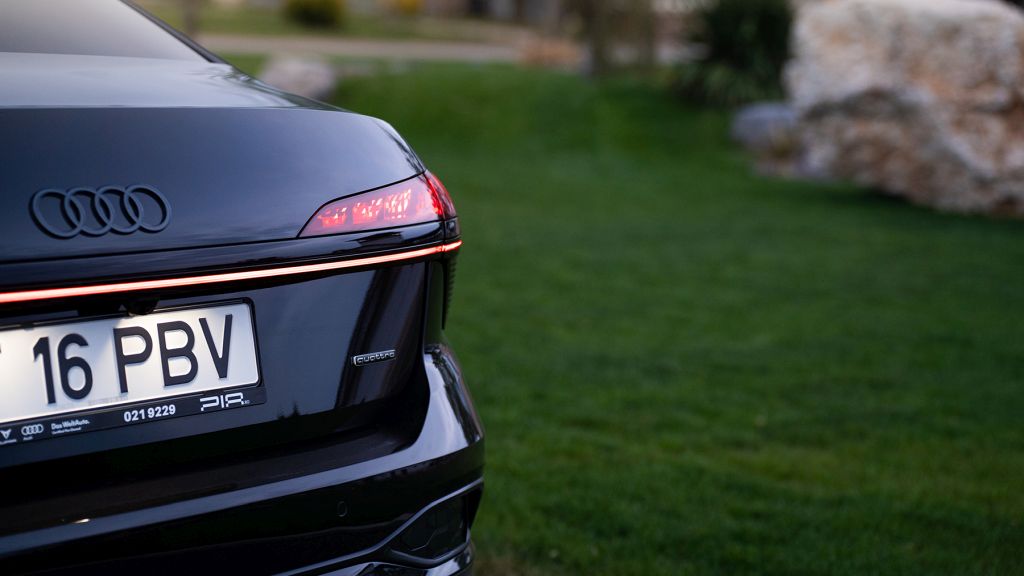
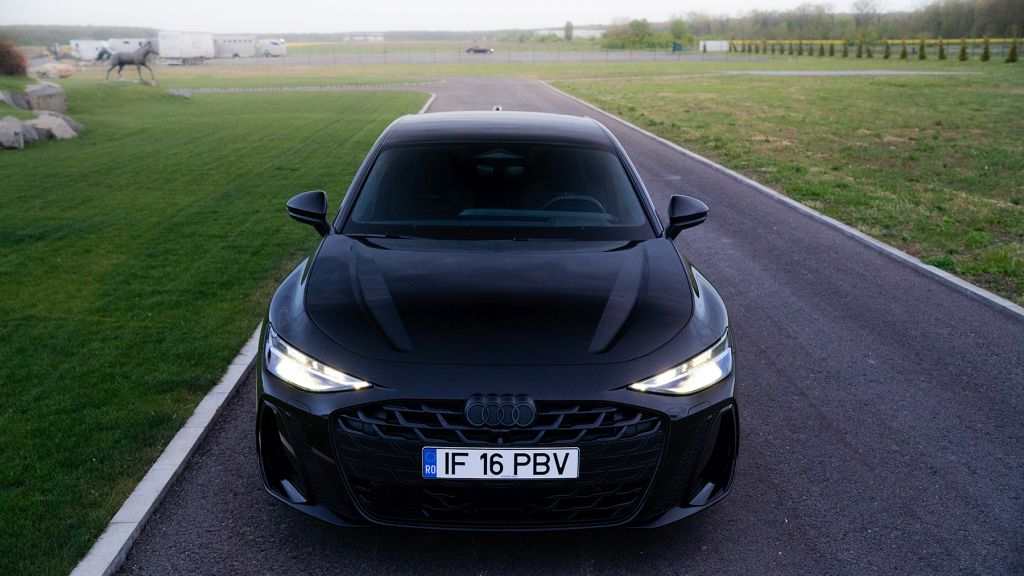
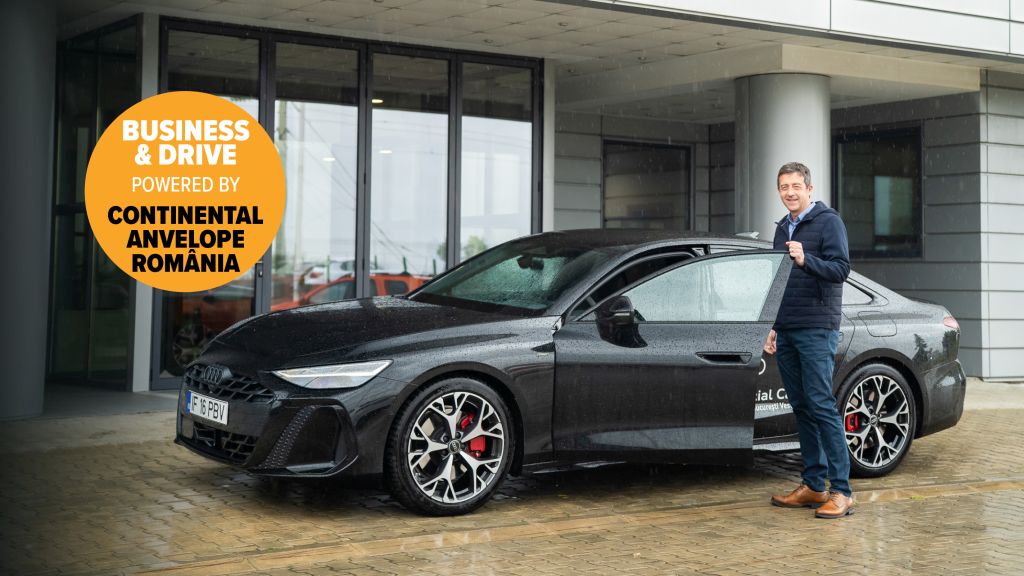
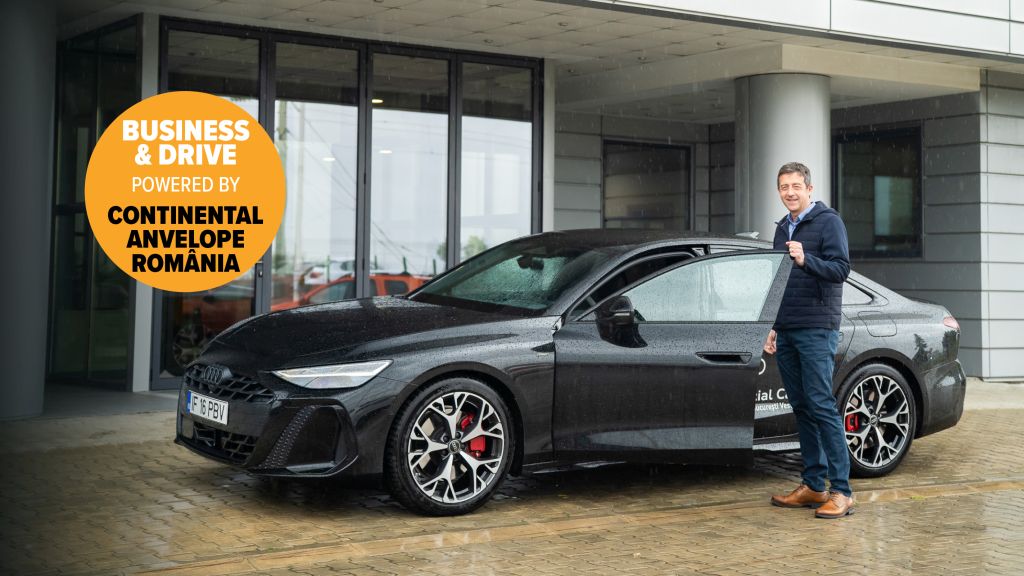
And, of course, as with every Business & Drive by Continental Tyres interview, the car plays an important role. Victor’s affinity for the Audi brand led us to choose the new Audi A6, kindly provided by Porsche Bucuresti Vest 2.
DB: Like me, you experienced both the communist school system and the transition years that followed. Who is Victor Vasluian, and what did the high-school student of those days dream of becoming?
Victor Vasluian: I graduated from high school in Targu Mures. It was the best high school in the county - Papiu. Back then, things were straightforward. You had to choose a direction: either a technical field or medicine. Targu Mures was renowned for its Medical and Pharmacy University, but medicine never really resonated with me, so for me the choice was clear – I wanted to pursue a technical career. That is why I moved to Brasov, a city I had always liked very much. At the Technical University, the most interesting option for me was the Faculty of Aircraft Engineering. So I studied Production Engineering, specializing in aircraft, mainly because of the factory in Ghimbav. You know what those years after the Revolution were like – there was enthusiasm, privatizations, plans for the future, and all kinds of transformations.
The idea was that Bell Helicopter would eventually come to Ghimbav, and the aircraft department had been created specifically to provide talent for that facility. To some extent, there was also a genuine passion for aviation. I had always been attracted to technical fields, and even more so to areas involving advanced technology. But by the time I graduated, nothing had happened in Ghimbav. The Americans never came. After waiting for so many years, and then waiting some more, I eventually had to find another path.
I also made an attempt in IT, because that sector was booming at the time, especially with the emergence of the internet. There was this fascination with unlimited access to information and all the possibilities technology offered. But since I lacked a formal background in the field, I quickly realized that I would never be able to perform at the level I wanted.
So I returned to engineering. I relocated to Bucharest in 2001 and have worked exclusively in corporate settings since then. That was every young person’s dream at the time – to be part of a highly professional environment that would provide the tools needed to succeed.
I joined a large company that, at the time, was running a World Bank-funded project in Romania. I started as a project engineer – that was the beginning. The project lasted about four years. Since there were no signs that new projects would follow, a series of circumstances eventually led me to Holcim Romania. That was probably the best school I could have had because I was fortunate to work with extraordinary people, both expatriates and local managers. I can honestly say it was more than just a workplace – it felt like a family. I worked in procurement and, among other responsibilities, I was in charge of acquiring on-road and off-road equipment. That was my connection with machinery, and that was when everything clicked.
DB: How much time passed before Terra entered the picture?
Victor Vasluian: Another four years.
DB: So, just a short wait… You joined Terra in…
Victor Vasluian: …2008. I became CEO much later, in 2019. Back in 2008, the market was booming. It was doubling year after year. New equipment dealers were entering the market, including the representative office of one of the world's largest manufacturers. That was when I realized that Romania desperately needed infrastructure and construction. There was simply no way this sector wouldn’t grow.
DB: Even after all these years, Romania still needs infrastructure and construction.
Victor Vasluian: That's true. Although I do believe that, in recent years, more serious progress has been made in this direction. But going back to 2008, I joined Terra during a period of tremendous expansion. I remember the team doubling in size every year, the business doubling every year – it was absolute madness. Then came a return to reality.
In the autumn of 2008, we opened several branches across the country. We were among the first dealers to create a regional network. And then came the cold shower – the financial crisis, which hit us extremely hard.
The construction equipment market fell by 75% in 2009 compared with 2008 and then dropped another 15% in 2010. The business was practically dead. It was a complete reset.
It was a very difficult period, but I have to admit we were fortunate to receive support from our colleagues in Austria, from the holding company. They stood by us throughout the crisis. They were patient and understood that opportunities would eventually return because there was no other way.
For three or four years, we were essentially fighting for survival. Our objective was simply to break even at the end of the year – that was our target. Later on, European funding programs helped us tremendously. Little by little, they allowed us to start growing again.
I remember that in 2008 our turnover reached €50 million, and it took us almost 12 years to get back to that level. I believe it was in 2021, after the pandemic, that we reached €50 million again.
Since then, growth has been quite strong. Over the last three years, our average annual turnover has been around €70 million.
DB: Does 2023 remain your best year?
Victor Vasluian: Without a doubt. It will be difficult to match, because market conditions were particularly favorable and, of course, we managed to make the most of them. Every player in the market benefited, but I believe we extracted the maximum possible value from that year.
I’m referring to all resources – both human and material – that enabled us to complete every project that emerged during that period. It required a tremendous effort. Our business, and our market in general, evolves so dynamically from one year to the next, with major ups and downs, that adjusting your resources to market demand is extremely difficult.
In our industry, training a skilled mechanic, a service engineer, or a member of the sales team takes time. There are no shortcuts. You simply cannot skip certain stages. I think the greatest challenge is to continuously align your resources with the current situation while keeping people motivated so that, when demand comes, you are able to deliver.
DB: You mentioned training people. Since you provide the entire package – service included – not just equipment sales, do you face workforce challenges?
Victor Vasluian: One thing I would like to emphasize is that one of our company's greatest strengths is the stability of our team.
We have colleagues who have been with us since the very beginning, since 2001, when the company was established. We celebrate them every year. We hold small ceremonies when someone reaches 10 or 20 years with the company.
Another thing I always point out is that many colleagues who left the company eventually came back. You know how it is – at some point, you want to try something different. I won't hide the fact that I did the same myself. Even within the management team, there are people who once said, “I want to try something else; maybe it suits me better.”
That's perfectly fine. But after some time – longer or shorter – they came back. At the moment, we have twenty-one colleagues who left and later returned to the company.
DB: How many people are part of your management team?
Victor Vasluian: There are eight of us in management, and the company employs 121 people.
DB: Just in Bucharest, or nationwide?
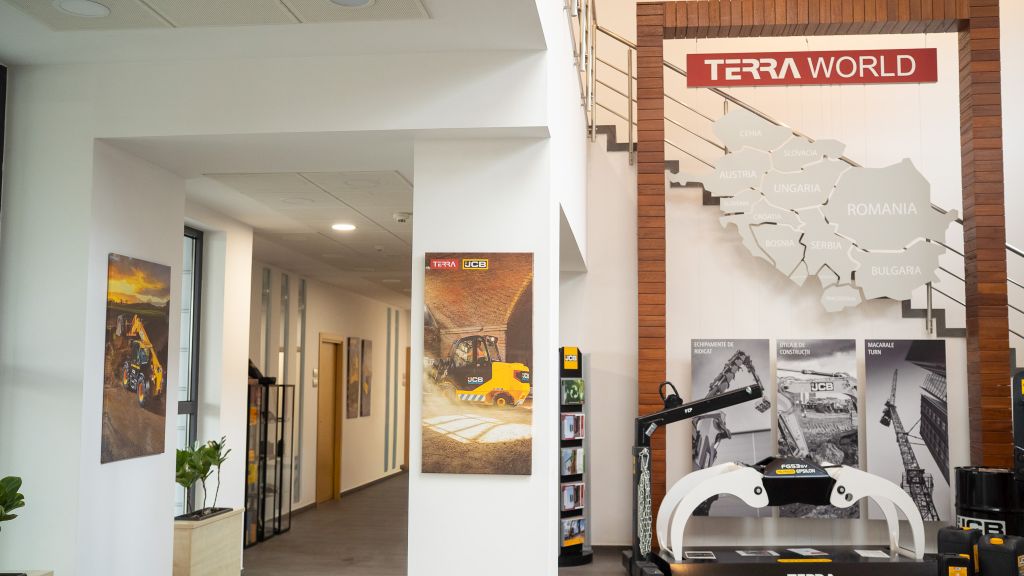
Victor Vasluian: Nationwide. We provide distribution and after-sales services throughout the country. We have six locations: Bucharest, Iasi, Brasov, Turda, Timisoara, and Craiova.
We have been trying to build strong regional structures because customers prefer having a local point of contact and a closer relationship with our teams rather than booking service appointments through a call center in Bucharest.That has been our focus: developing and strengthening regional teams.
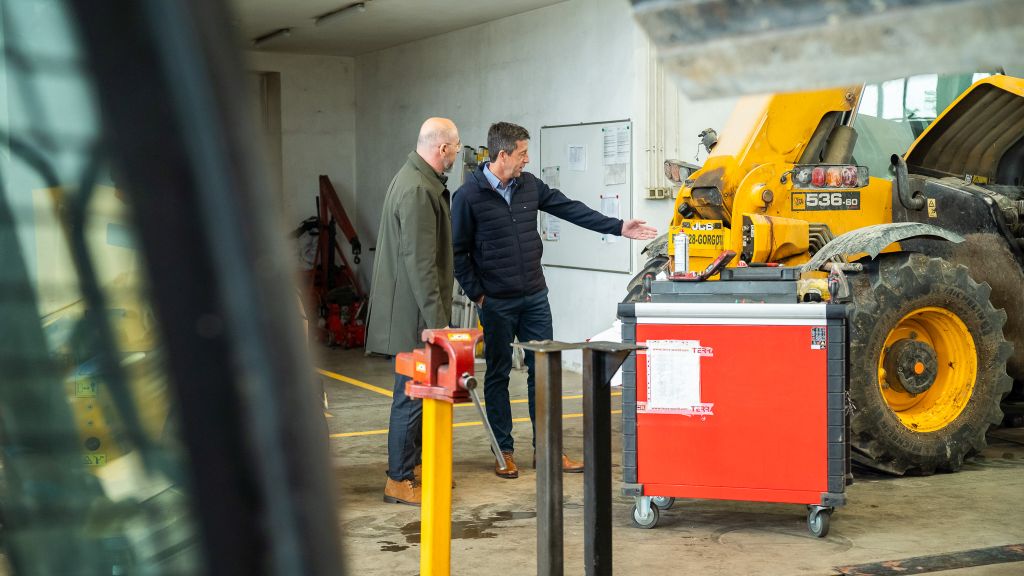
Speaking of service, this is actually our largest department. Around eighty people work in after-sales, providing everything from maintenance, spare parts, and accessories to the full range of services related to our equipment.
DB: You became CEO in 2020. Before that, you were in operations. I don't want to ask what you learned as CEO, but rather what you had to unlearn when you stepped into the role.
Victor Vasluian: That's a very good question.
When you're in operations and you're focused on what is directly in front of you, your mindset is simple: I have to deliver results. For me, back then, the cost wasn't the issue. I had to achieve the target, and I needed people, vehicles, inventory – whatever was required.
But once you become responsible for the P&L, things change. You start looking at the cost of achieving those results and asking yourself whether it's worth it.
Sometimes, you have to make compromises. Sometimes, you have to accept that a deal simply doesn't make sense and say, “These are the reasons why we cannot do it.” That's better than moving forward without knowing where you're headed.
And I think this year is a good example, although every year has brought its own challenges.
Perhaps more than ever, we need to pay close attention to everything related to capital employed – to inventory levels, to customers and receivables, to making sure we don't end up with unpaid accounts, to inventory turnover, to avoiding provisions, and so on. The concerns are simply more numerous and spread across many different areas.
DB: So the transition was from “let's achieve the result” to “let's figure out how to achieve it.” And how to achieve it in a sustainable way, because your perspective is no longer about immediate results, but about the company over the long term.
Victor Vasluian: Exactly. And there's this constant need to think several steps ahead. You keep asking yourself how the market will evolve - not only in volume but also in structure.
How will you adapt to those changes? What can you do to compensate for certain weaknesses or areas where you may not be as strong as others?
Those are the questions that constantly occupy your mind.
DB: Let's go back in time. When did you get your driver's license, and what was the first car you drove?
Victor Vasluian: I've always had a passion for cars, which is why I enrolled in driving school before turning eighteen and actually took the driving test on my birthday. At that age, I was happy to drive absolutely anything. My father owned a Lada 1500 and, to me, that car was a dream on wheels. But he hardly ever let me drive it. He was extremely protective of it, so I drove whatever opportunities came my way. If a friend said, “I need to go somewhere, could you help me?”, I would immediately say yes. I drove every type of car available at that time.
Later, when Western cars began to appear, everything became a completely new experience.
During the summer holidays, I used to work in Germany for a month every year. By my fourth year at university, I had managed to save enough money to buy a Volkswagen Golf II. That was the car of my dreams.
Even today, I feel emotionally attached to that car. It was a 1.6-liter petrol engine, and to me, it was a serious machine. It had 220,000 kilometers when I bought it, and I drove it until it reached around 270,000. Then I passed it on to my brother-in-law, and I later saw the car still running perfectly well at 400,000 kilometers. Honestly, while I owned it, I never had to do any engine work or anything major. I don't know… perhaps cars were simply built differently back then. They don't make them like they used to.
DB: Back then, did you have a dream car – the kind you thought, “One day, when I make it, I'll buy that”? And did you eventually get it?
Victor Vasluian: Honestly, I loved German cars – BMW and Mercedes. They seemed like top-tier brands to me, though I never imagined I would actually own one, even though I admired them greatly.
At the time, there were the Audi 80 and Audi 100, and somehow that became my dream car.
I still remember going to Germany during the holidays to visit relatives. I tried every possible means of transportation - train, bus, even plane, although flying wasn't exactly straightforward back then.
At one point, one of my father's friends was driving to Germany in an Audi 100, and I joined him. I was absolutely blown away. That car was incredibly fast.
I still remember leaving Targu Mures around four in the afternoon and arriving in Germany at nine the next morning after he had driven all night. It felt extraordinary. So yes, perhaps unconsciously, that was the kind of car I was aiming for. Audi always struck me as a brand sitting right on the boundary between mainstream and premium – not necessarily luxury, but fast, sporty and dynamic, ticking almost every box.
DB: And you've remained loyal to Audi to this day?
Victor Vasluian: Yes. I currently drive an Audi A6 Avant.
I love it because I can fit a lot of things in it. Before that, I had two generations of the A4 Allroad, which I thought were phenomenal cars. Space was probably their only weakness because it was somewhat limited, but otherwise, they could take you anywhere. I never felt the slightest hesitation in the car, especially in winter and on snow. Driving it was pure pleasure.
The A6 Avant is excellent, but it's too low. The A4 Allroad was much better off-road. With the A6, I have to be much more careful.That said, it never lets you down. It gets you out of any situation, but it's definitely a car made for good asphalt and nothing else.
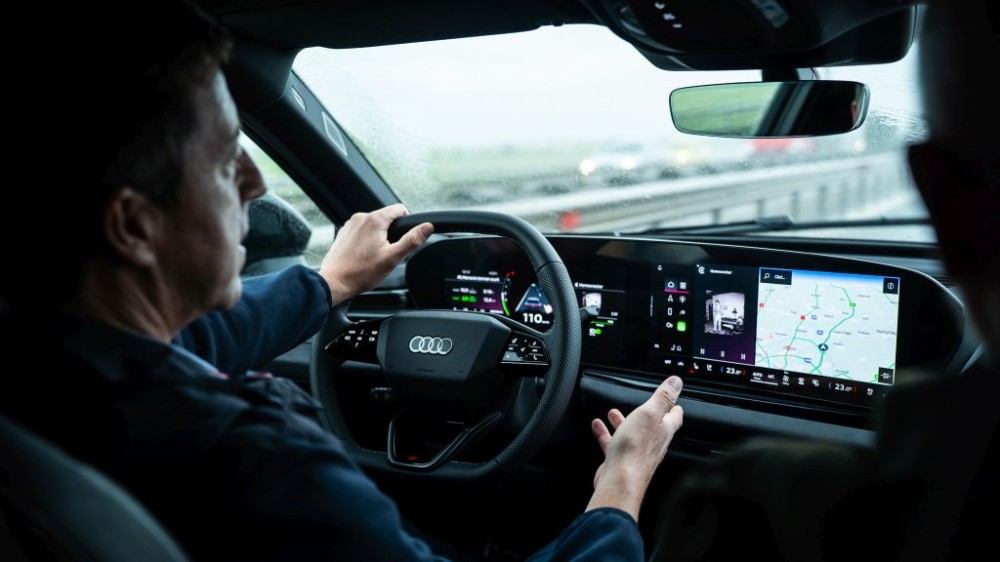
DB: It's no coincidence that today we'll be driving an A6. You mentioned your dynamic personality and said you consider yourself a sporty person. What are your passions?
Victor Vasluian: If you ask me, I think the biggest challenge is time. As I said, I'm a very dynamic person, and I don't particularly enjoy resting. It feels like wasted time. Time itself is limited, so my philosophy is: let's make the most of it.
I love being outdoors, surrounded by nature, and I enjoy hiking in the mountains, especially since I've been skiing since childhood. Somehow, these passions naturally came together.
It's interesting because I've thought about this myself. About five years ago, I simply had no time. I devoted a lot of attention to my family. I have a daughter – she's grown up now, but back then she was younger and needed a lot of attention. I didn't want to spend less time with my family, but I also wanted to pursue my own passions.
So, in order to make it work, I started running - through parks, around the city, and eventually in the mountains. I began doing routes that weren't necessarily extreme, but certainly demanding for someone with a full-time job. I would spend a day in the Bucegi Mountains, covering twenty or thirty kilometers, and still make it home by evening.
I remember that the toughest route I ever did was driving from Bucharest to Balea in the morning, crossing the Fagaras ridge all the way to Moldoveanu Peak and back, and returning home the same evening. That was serious. Eventually, I thought: somehow, I need to combine everything and make the most of the time I have. That's how I got into ultramarathons. I competed abroad as well – 50-70, even 100-120 – kilometer mountain races. It was an amazing period in my life. I still do it occasionally, though not at the same intensity. I no longer participate in competitions. Perhaps because I now allow myself more free time and enjoy other things as well.
DB: What about motorcycles? How did that story begin?
Victor Vasluian: You've touched on a very sensitive subject because it's one of my greatest passions.
At the time, I was living in Corbeanca, in one of those small residential developments that sprang up everywhere. Luckily, I had wonderful neighbors – people who remain close friends to this day, even though I no longer live there.
One day, we were talking about how beautiful it would be to ride motorcycles to Sinaia in October, with leaves falling along the road and that idyllic scenery all around us. At the time, it was just a dream, an idea. Then one day we made a bet. We said, “By autumn, all three of us will have our motorcycle licenses.”Two of us got them that year, while the third got his the following year, but that's when the whole adventure began.
That was in 2015, so I've now been riding for eleven years. I usually ride between 12,000 and 15,000 kilometers per year, which is quite a lot. What I love most is the feeling of freedom that motorcycling gives you. Honestly, I've never experienced anything comparable.
DB: Have you done more ambitious tours abroad?
Victor Vasluian: Absolutely. In fact, thanks to motorcycling, I rediscovered Romania. I've done countless trips throughout the country, always avoiding the main roads. I remember how, in the beginning, I would design routes on maps and then check road conditions because we didn't want to destroy our motorcycles. So we planned our trips according to road quality and deliberately sought out areas that are difficult to reach by car.
Something changed in the way I perceived travel. In a car, I always saw the road as merely a necessity – a means of getting to the destination. On a motorcycle, the destination still matters, but the journey itself becomes what truly counts. I've ridden through Greece, all the countries of the former Yugoslavia, and, naturally, the Alps. One of the most beautiful trips I've ever done – and one that I've repeated twice – is the Route des Grandes Alpes in France. You start near Geneva and ride all the way to Nice, but exclusively through mountain passes and ridgelines. It's absolutely spectacular.
The roads are narrow – barely more than a lane wide – which is wonderful because most of the traffic consists of cyclists and motorcyclists. There are cars too, but not many. The same applies to Italian passes like the Stelvio. If you know when to ride it – very early in the morning or late in the evening – it's magical. Otherwise, it's packed with cars. Yes, I've ridden a lot, and I continue to do so.
DB: Does your passion for two wheels stop with motorcycles, or does it include bicycles as well?
Victor Vasluian: Definitely bicycles too. One of my closest friends runs a business organizing electric mountain bike tours. People often say that e-bikes aren't really cycling and that they're not a proper sport. That's simply not true. Modern electric mountain bikes are incredible. They challenge you both on the climbs and, even more so, on the descents. They're heavier, but that weight also gives them tremendous stability.
After riding an electric bike, I went mountain biking last year on my traditional MTB and suddenly felt surprisingly insecure on the descents. The bike felt too light and much less stable. An electric MTB weighs around 25 kilograms, but it also comes with sturdier wheels, better suspension, and excellent brakes. I felt much safer riding it. It's fascinating how quickly technology evolves in this area. New models appear so rapidly that, at one point, I considered buying one to keep for the long term because I simply don't ride often enough to justify constantly upgrading.
DB: What motorcycle do you ride?
Victor Vasluian: A Honda Africa Twin. Eleven hundred cubic centimeters and one hundred horsepower. It's a phenomenal motorcycle.
DB: Have you ever thought about taking an African motorcycle trip?
Victor Vasluian: Of course, the idea has crossed my mind, but I haven't done it yet. I have friends who ride in Morocco. The biggest challenge is time. A two-wheel expedition across an African country is a bit more complicated. I've had experiences where I flew somewhere, rented a motorcycle, and explored the area, mainly on road bikes. I've done Portugal, Andalusia – beautiful places.
DB: Does your family share any of these passions?
Victor Vasluian: Well, my wife rides with me. I actually have a small challenge there because sometimes I'd like to ride alone or with friends a bit more. But it's fine. A boys' trip is a boys' trip, and a trip with your wife is a trip with your wife. We've done some wonderful rides together, both in Romania and abroad. We even spent ten days riding through the Alps.
I never plan anything in advance. I don't book accommodation beforehand. We simply decide as we go. We look at the weather, see how tired we feel, decide how far we want to ride, and only then look for a place to stay.
DB: What about your daughter? Does she ride with you?
Victor Vasluian: Not really. She's ridden with me, but I wouldn't say she's particularly enthusiastic about motorcycles. Cars, however, are another story. She's passionate about them.
DB: Really? Now you've made me curious.
Victor Vasluian: A BMW 4 Series. She has shown me colors, specifications, and all sorts of details. She's made it very clear that she wants one, but I've told her she'll be free to buy one when she can afford it herself. It's her dream, and she should follow it. In the meantime, for her birthday, I gave her a defensive driving course at Titi Aur Academy. She initially said, "Fine, but only if you come too." I had done the course before, so I knew what to expect, but she absolutely loved the experience.
DB: Let's say you didn't own an Audi – or any car, for that matter – and you were looking to buy one today. Internal combustion, electric, hybrid – what appeals to you?
Victor Vasluian: If you ask me personally, I'd definitely go for a good, solid diesel. Thinking back, apart from the Golf, every car I've owned has been diesel-powered. That said, I have to admit I'm becoming increasingly attracted to hybrid models because I find the range they offer very important. When you have over 1,200 or even 1,500 kilometers of range, as some plug-in hybrids do nowadays, that's extremely appealing to me. I haven't experienced that yet, but I find it very interesting.
At the same time, our company is currently waiting for a new car policy from the group. We've already been informed that, generally speaking, the group is moving toward fully electric vehicles, with some exceptions that can be justified. In our case, for example, we can argue that the charging infrastructure is not yet sufficiently developed. We're actively supporting this transition through our own development programs. Last year, we inaugurated a very modern facility in Brasov, on the road towards Targu Mures. This year, we'll open another one in Timisoara. In both locations, we installed charging stations, anticipating the direction we're heading in and preparing for the transition to electromobility.
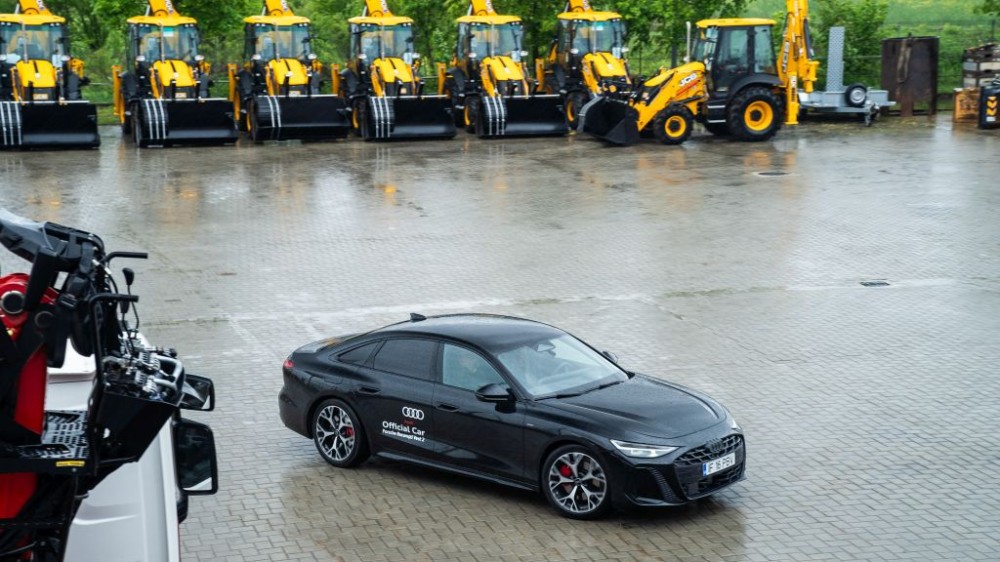
DB: Give me your top three automotive brands. Audi obviously comes first – I'm not even considering another option.
Victor Vasluian: Audi, definitely. I like the brand very much. I also like BMW. I enjoy the way their cars handle and the dynamics they offer. And then there's a brand I've never actually owned, but for which I've always had a soft spot – Land Rover. I've always loved Land Rover.
I remember that during the pandemic, I almost bought a Defender. I really liked that rugged, no-nonsense character. There was some sort of anniversary edition or special version, and I remember negotiating very aggressively. I pushed a certain price point below, and they simply said no.
So I didn't buy it. Looking back, I almost regret it because the gap between us wasn't very big. I had set myself a target price and decided that if I reached it, I'd definitely buy the car. But I didn't. Still, Land Rover makes my top three because I've always loved off-road vehicles.
DB: What did you think of the new Audi A6 we drove today?
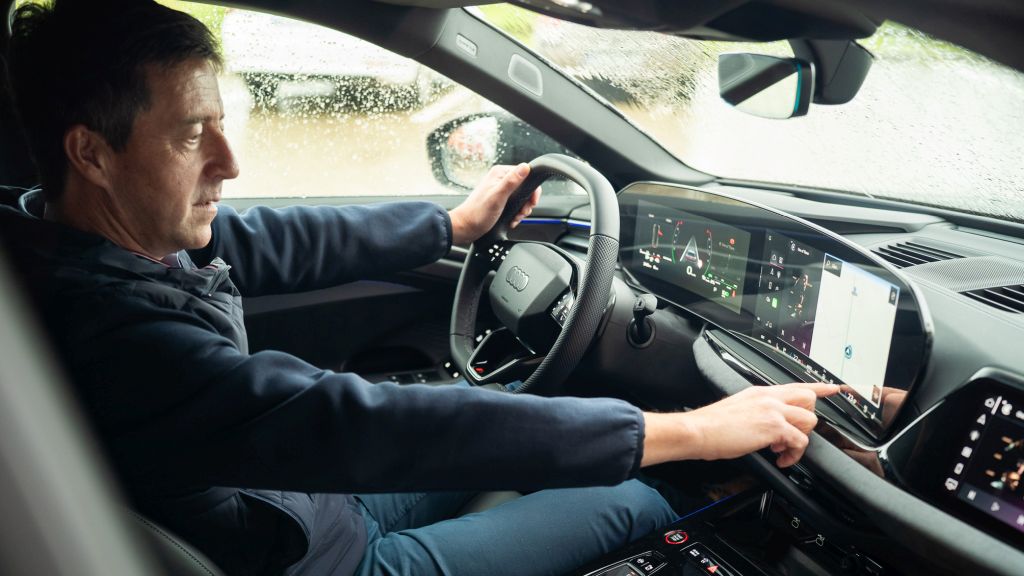
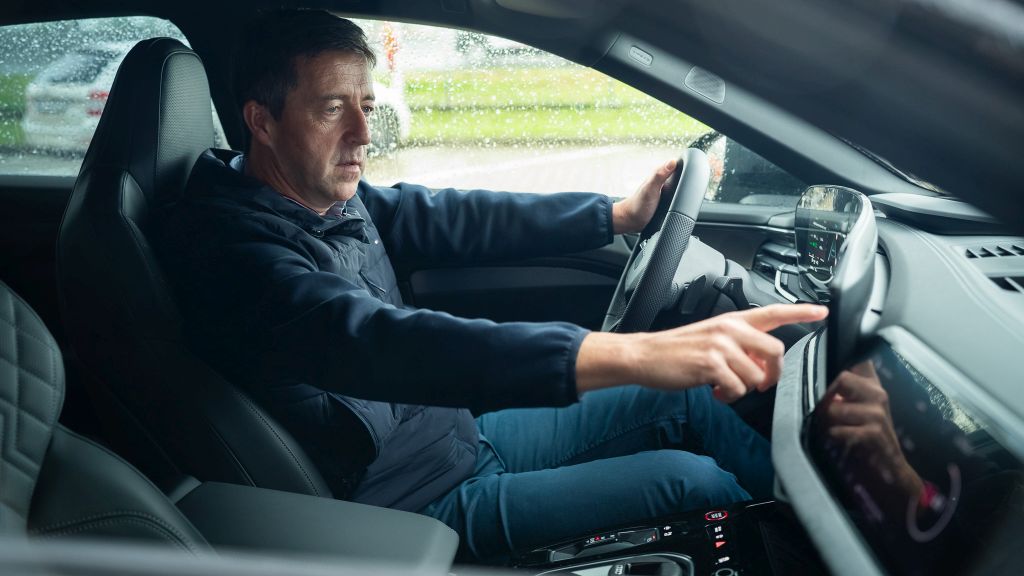
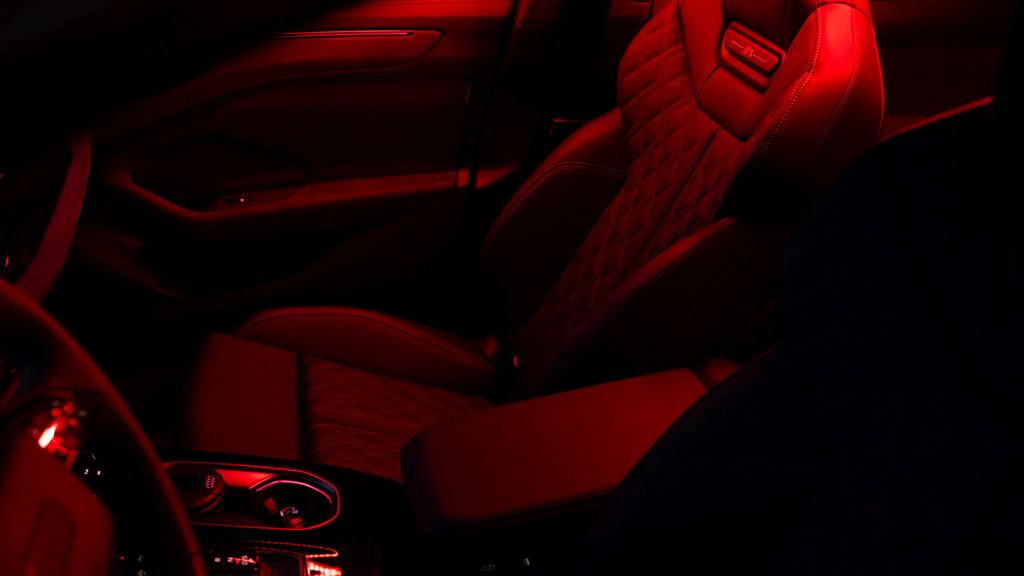
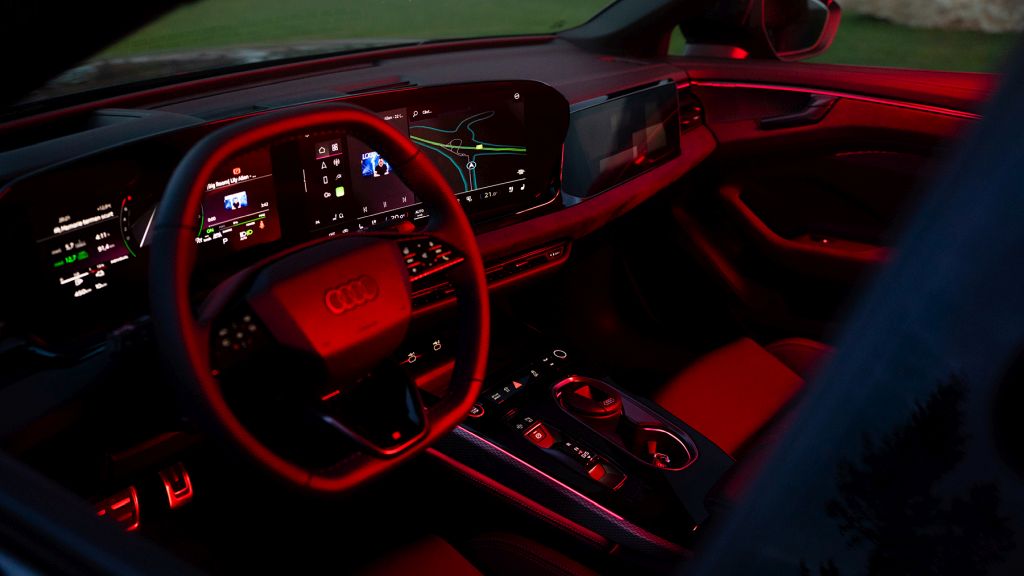
Victor Vasluian: Without a doubt, it felt like an Audi. Every new model naturally comes with things I like and things I like less. But as an Audi owner, I probably tend to overlook the negatives more easily. If I were to mention areas that could be improved, I'd start with the gear selector. To me, it doesn't feel worthy of an Audi. There's too much digitalization and too many screens, which can become distracting.
In some areas, I was surprised by the quality of certain materials, which seemed below expectations. Although I understand this is a plug-in hybrid model, I find the trunk relatively small for such a large car – but that's a subjective opinion, of course.
What I really appreciate is the outstanding handling and precise steering. I also like the way the car drives in electric mode. Overall power isn't particularly impressive, but the sound system is fantastic and, at the risk of repeating myself, it still gives you that unmistakable feeling of being in an Audi.
DB: If you could turn back time, would you follow the same path? Or would you pursue a career in aviation?
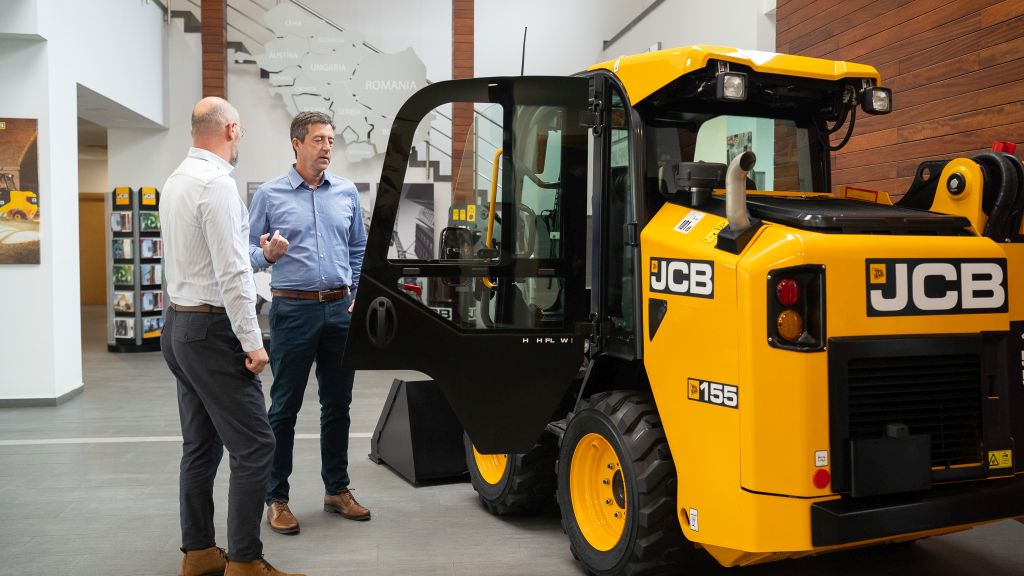
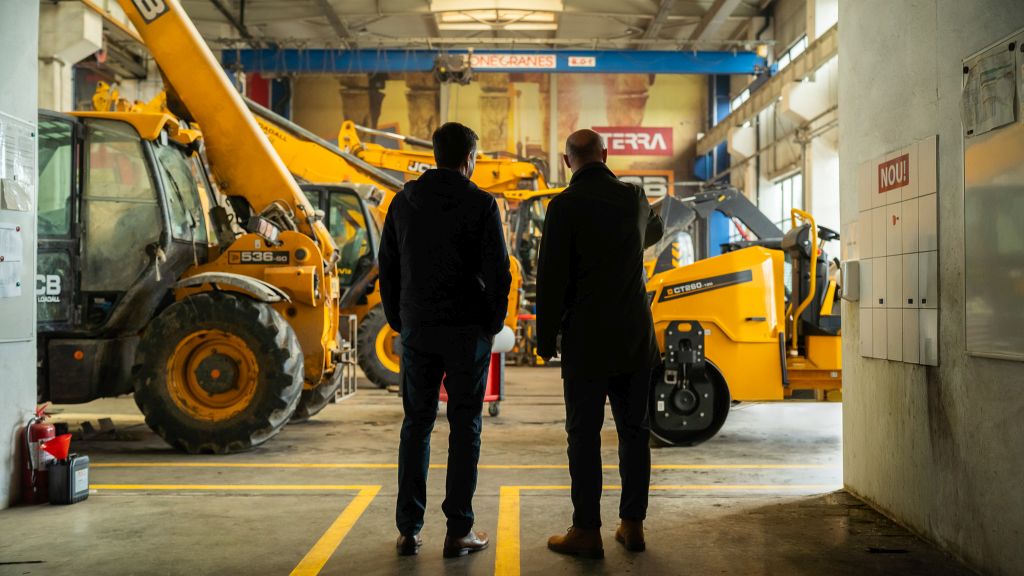
Victor Vasluian: That's hard to say. This industry is a bit like a drug, really. We even have a joke with our main partners at JCB. From time to time, they invite us to England to give us what we jokingly call a "yellow injection" – to keep us energized, motivated, and fully engaged in the industry. I honestly believe that everything in life happens for a reason and that things unfold the way they are meant to.
If this has been my path, then this has been my path. I don't know whether I would want to turn back time or choose something different.