
Change fatigue is the new challenge faced by employees globally, with a third of them mentioning that they have gone through more than 15 major changes in the last year alone, generated either by the evolution of customer expectations or by changes in strategy or business model, according to the Deloitte 2026 Global Human Capital Trends study. The efforts that employees make to adapt at such an intense pace have negative effects such as the decrease in the level of well-being (68% of respondents) and in engagement (50%), as well as the increase in workload (60%).
Only 27% of the leaders who responded to the questionnaire say their organizations manage change effectively, and the solution suggested by the study is to move from an approach that only aims to manage change to one in which constant evolution is part of everyday life. In order to achieve this, organizations need to support their employees to use new tools, such as artificial intelligence (AI), provide them with lifelong learning opportunities, constant feedback, and direct help in performing tasks so that people can adapt seamlessly. Companies that successfully implement this adaptive approach are 2.4 times more likely to report superior financial results and offer their employees more meaningful work. For now, only 8% of study participants believe that their employers meet these lifelong learning needs.
In this context, adaptability becomes a major advantage. But while 85% of surveyed leaders say it's critical to build the ability of organizations and of their employees to adapt to the speed required today, only 7% say they're making progress in that direction.
The same context dominated by speed makes seven out of ten executives participating in the study say that their main competitive strategy for the next three years is to be fast and agile, to adapt quickly and capitalize on changes in business, customer behavior or the market.
The rapid technological advancement, especially of AI solutions, and the ever-changing business environment are generating a new need highlighted by the report – rethinking traditional corporate functions, which are at risk of being outdated. To make the most of artificial intelligence, organizations need cross-departmental expertise and close collaboration. In this context, more than 50% of respondents believe that current functions need to be reinvented to meet future requirements, and almost half identify the organizational structure as the main obstacle to change. For example, departments such as human resources, finance, IT, and legal, which were created for reliability and specialization, may need to be rethought to meet the needs of speed, adaptability, and multidisciplinary collaboration, especially for AI integration. However, organizations face a significant gap between aspiration and action – although 66% of executives believe that it is very important to push the boundaries of traditional functions, only 7% are making significant progress in this direction.
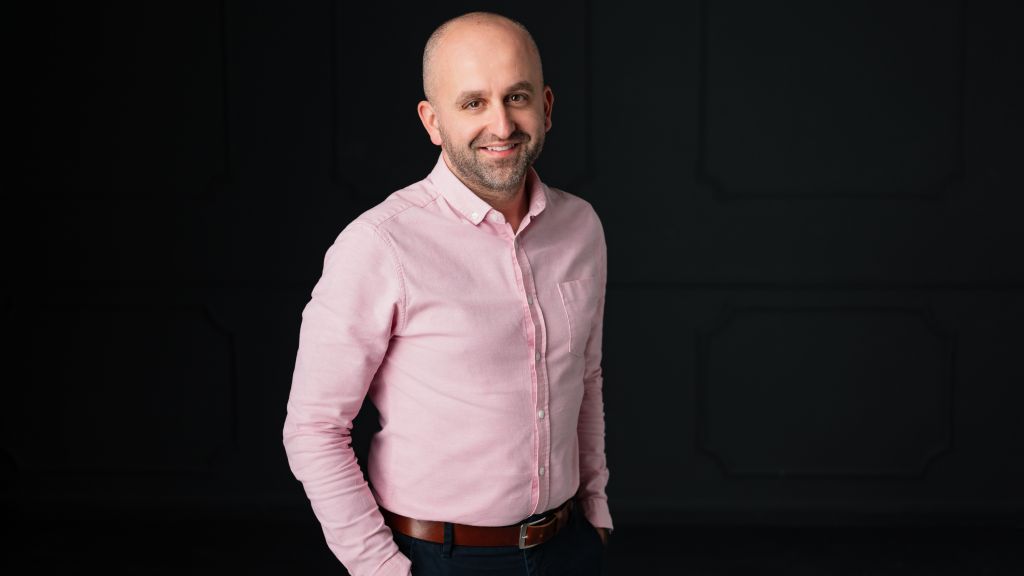
"Persistent cost pressures, profound transformations in consumer and employee behavior, as well as geopolitical volatility have pushed many organizations towards a reductive model, in which efficiency has become an end in itself. Paradoxically, however, just when efficiency is maximized, its ability to generate progress begins to be exhausted, imposing an inevitable reorientation towards value. This requires purpose-driven functions, deliberate investment in innovation, and a growth logic based on adaptability and relevance, not austerity. At the same time, demographic changes and the shrinking workforce are turning human capital into a scarce resource, emphasizing the need to invest in areas where people generate value which is distinctive and, ultimately, impossible to replace," said Raluca Bontas, Partner, Deloitte Romania.
The Deloitte study highlights the need for organizations to make decisions quickly to adapt in this turning point. Artificial intelligence is also transforming decision-making processes and, in many situations, becoming an integral part of them. The study shows that 64% of respondents recognize the importance of AI's implications for decision-making, but only 5% are making significant progress in this direction. At the same time, 56% of the surveyed leaders say that they design AI integration primarily for business outcomes such as cost or speed, while a growing number of leaders (40%) take into account both business results and employee well-being.
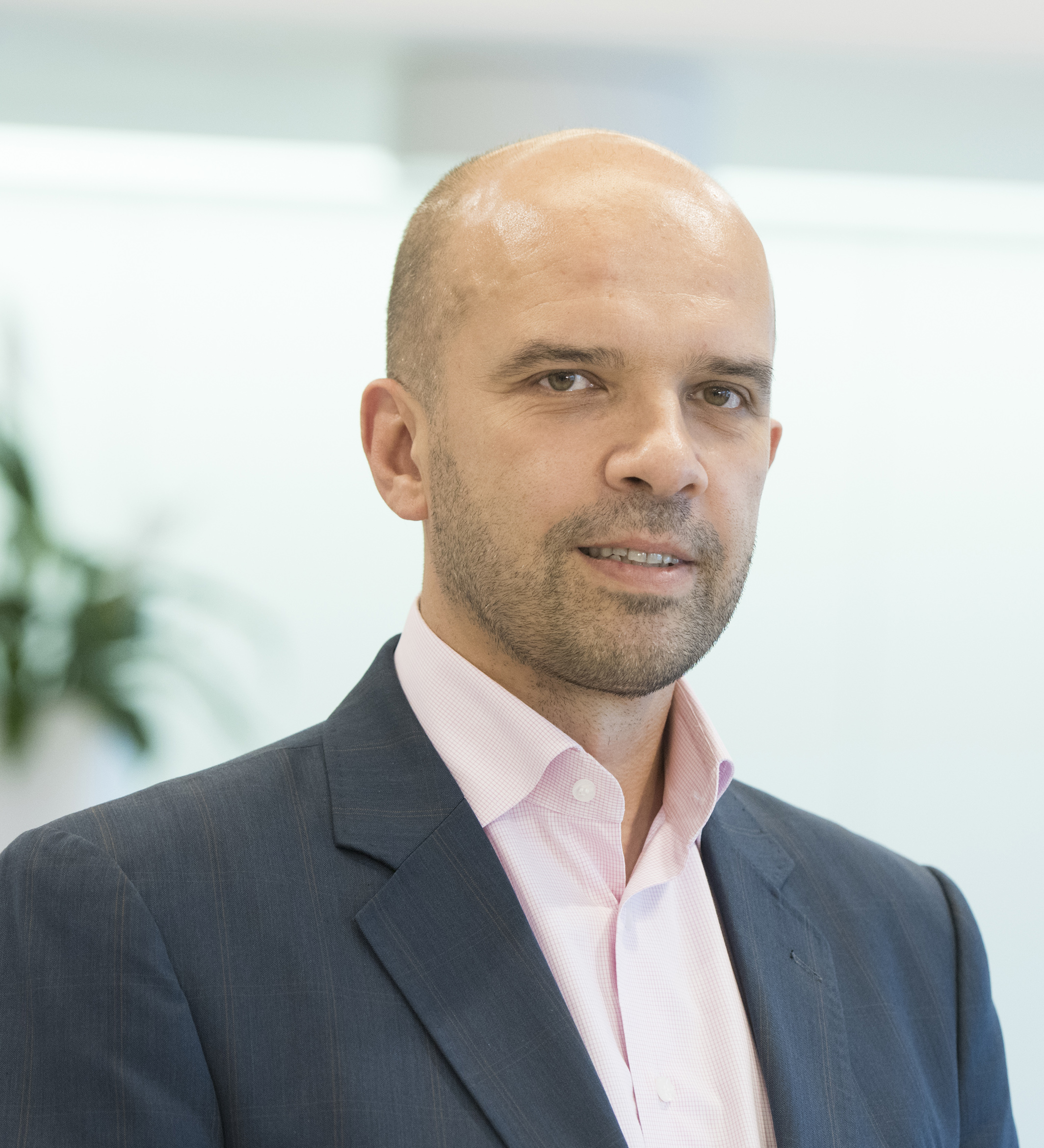
"It’s high time to decide: those who act quickly gain a competitive advantage, and the real stake is precisely the human factor. The sometimes simplistic logic of cost optimization must be overcome: a chatbot does not replace people but frees them from time-consuming repetitive tasks. Judgment, trust, authenticity, adaptability — these are becoming the differentiating variables in a world where AI can take over much of the execution," said Doina Patrubani, Senior Advisor, Human Capital, Deloitte Romania.
At the same time, the accelerated implementation of AI can subtly erode trust, connection and common norms, and the study draws attention to a new concept, "cultural debt". Almost 60% of respondents recognize the importance of AI's impact on organizational culture, but only 5% are making significant progress in this direction. To avoid this subtle deterioration, leaders need to strengthen and develop organizational culture so that AI reinforces, not undermines, values and performance. According to the study, the most important actions to support organizational culture are creating an open dialogue between employees and leaders and providing clear and regular updates on how AI influences work and workplaces.
Deloitte 2026 Global Human Capital Trends study was conducted among more than 9,000 business and HR leaders from different industries and sectors in 93 countries, including Romania. In addition to the global report, Deloitte conducted surveys among employees, managers and members of leadership teams to also present their perspective and highlight the discrepancies between the perceptions of leaders and employees.
Deloitte provides industry-leading audit and assurance, tax and legal, consulting, financial advisory, and risk advisory services to nearly 90% of the Fortune Global 500® and thousands of private companies. The firm’s professionals deliver measurable and lasting results that help reinforce public trust in capital markets, enable clients to transform and thrive, and lead the way toward a stronger economy, a more equitable society and a sustainable world. Building on its 180-plus year history, Deloitte spans more than 150 countries and territories. Its objective is to make an impact that matters through its over 470,000 people worldwide.
Deloitte Romania is one of the leading professional services organizations in the country providing, in cooperation with Reff & Associates | Deloitte Legal, services in audit, tax, legal, consulting, financial advisory, risk advisory, business processes as well as technology services and other related services, through 3,300 professionals.
Please see Deloitte.ro to learn more about the global network of member firms.