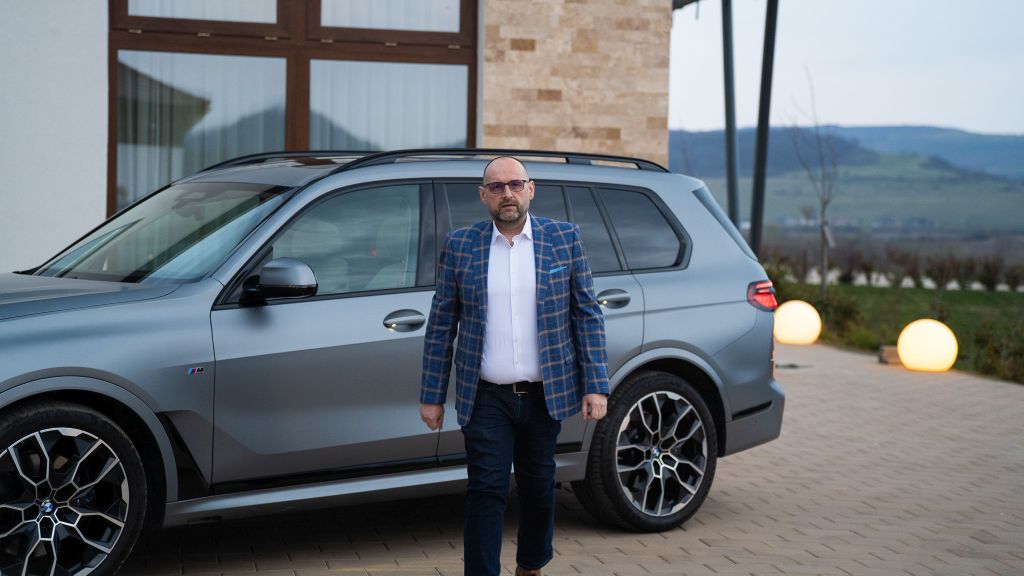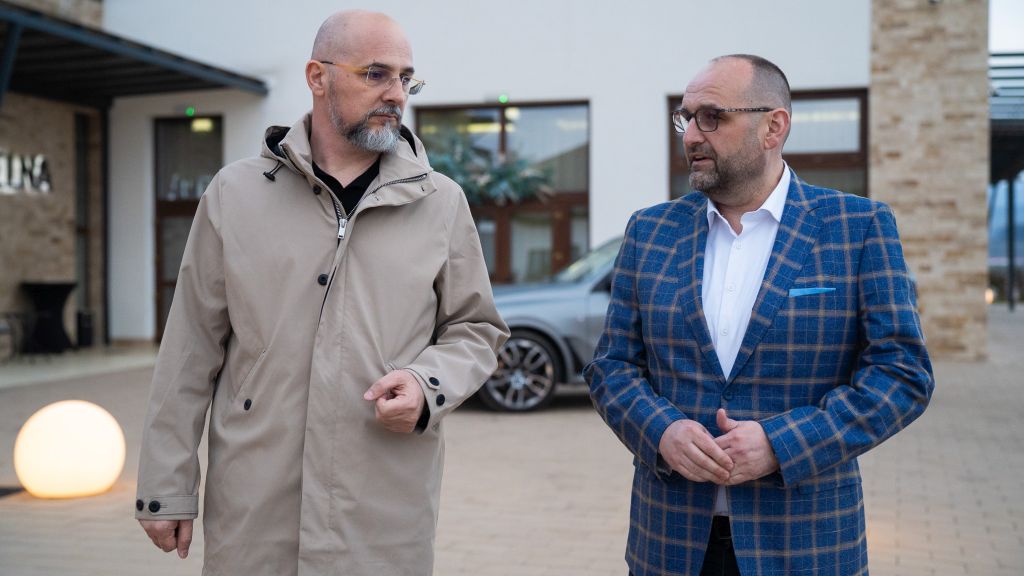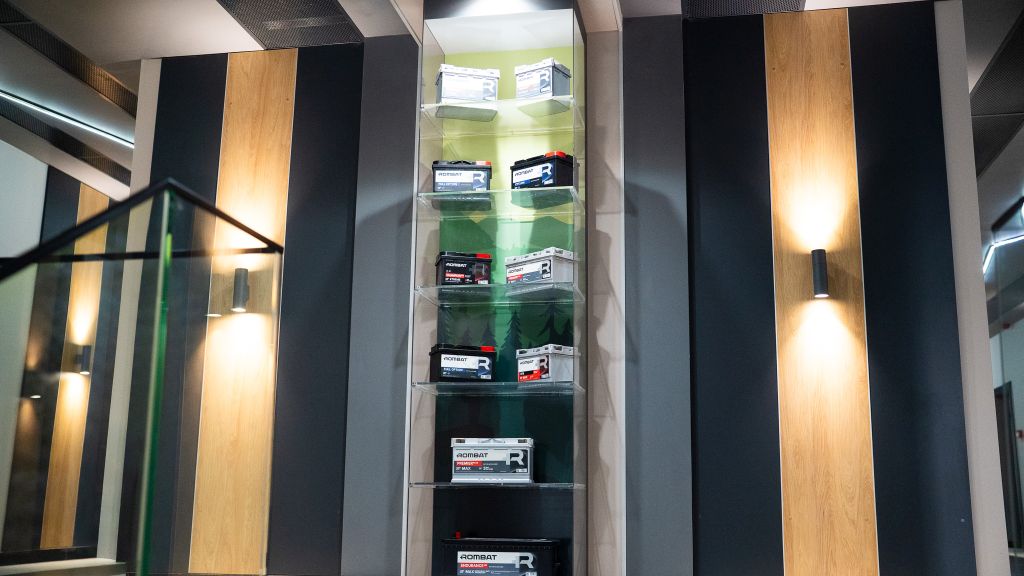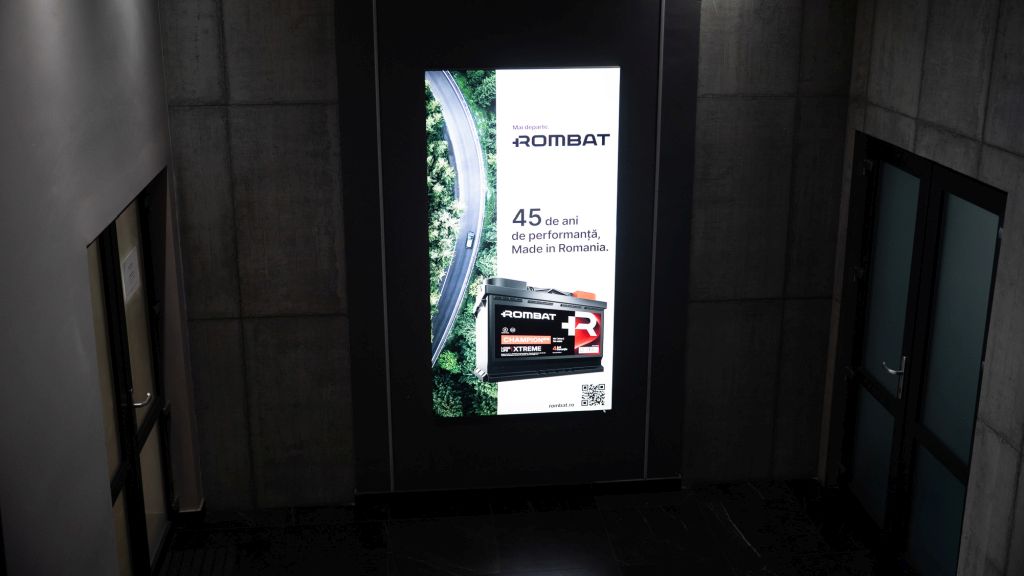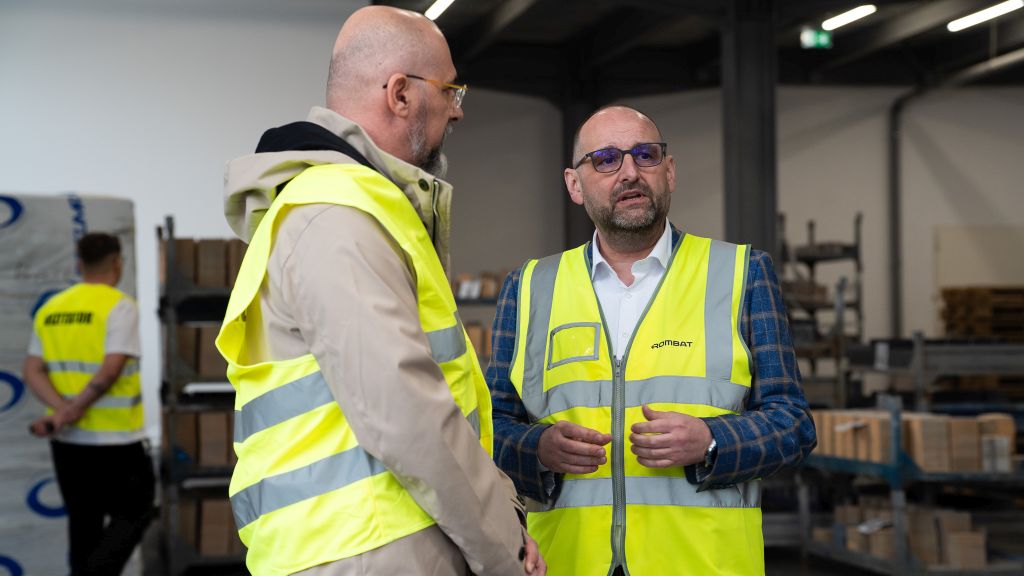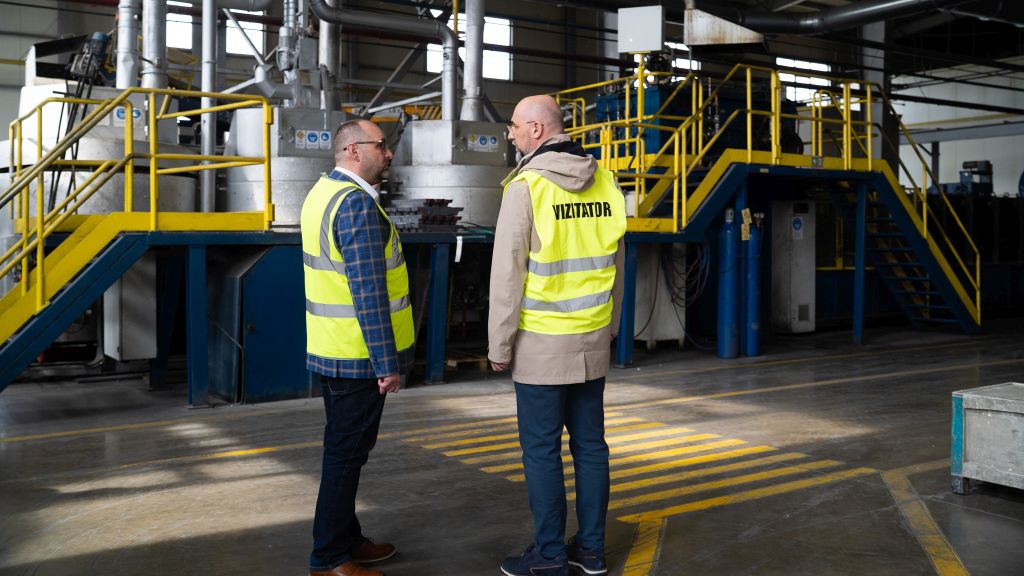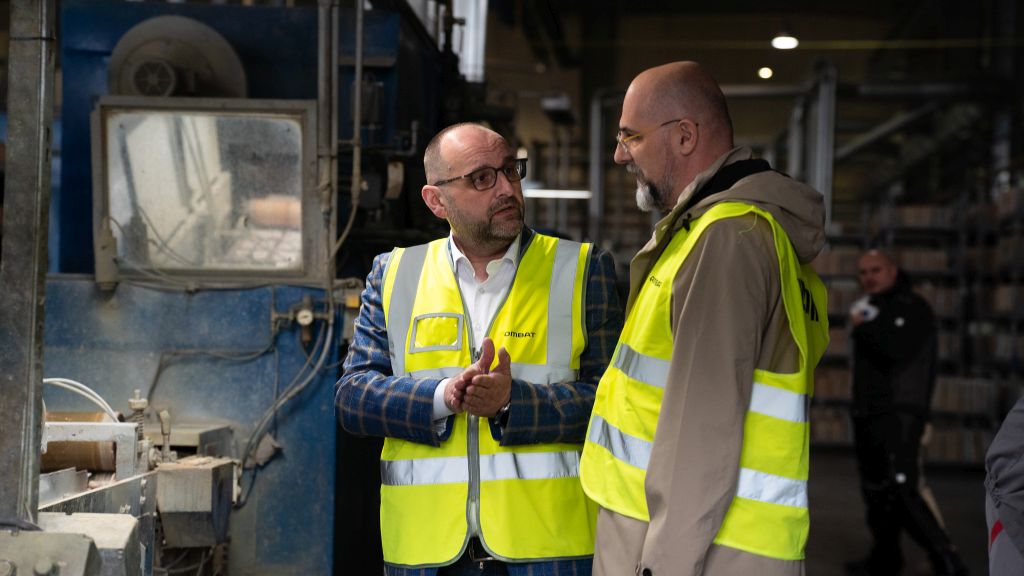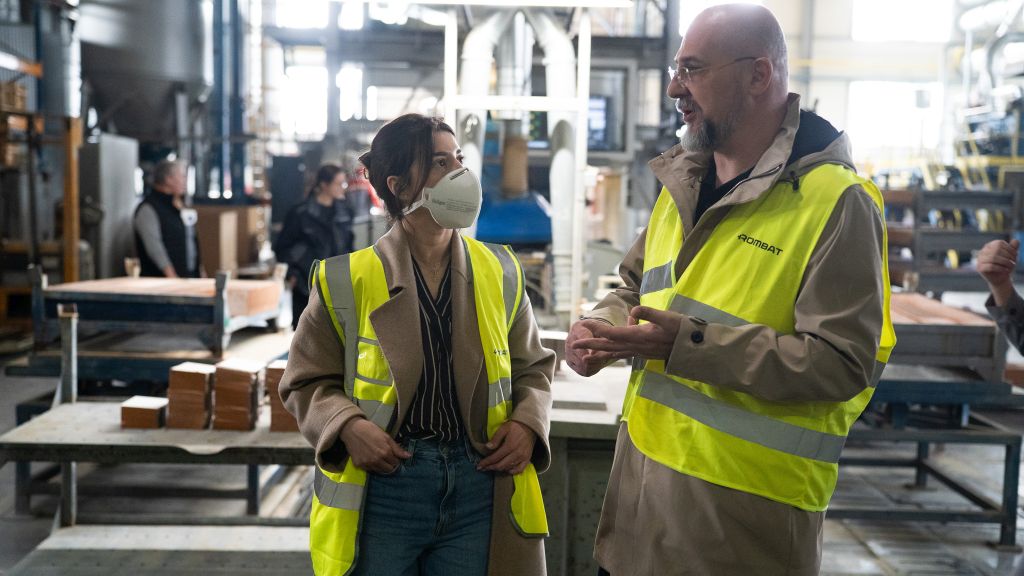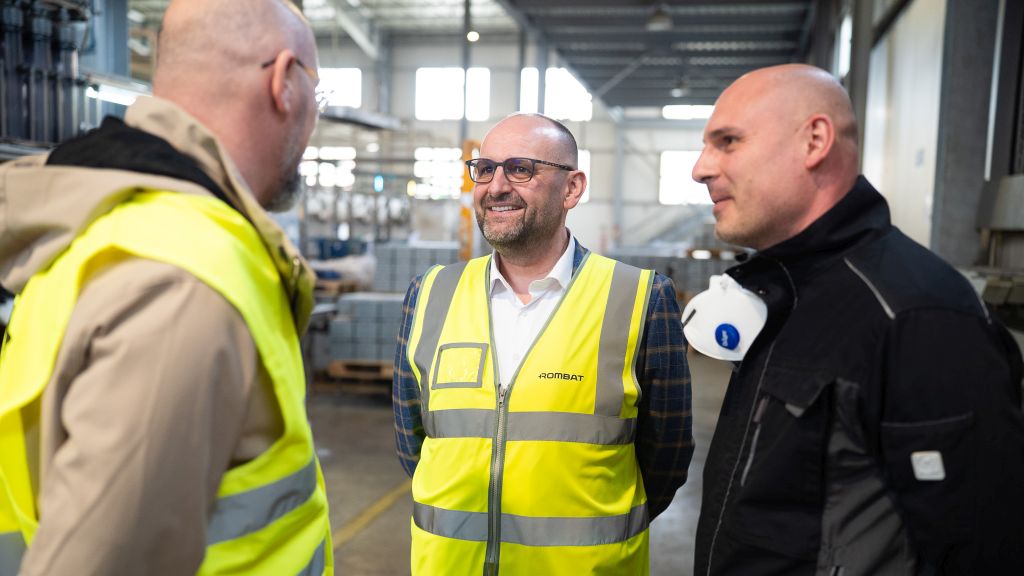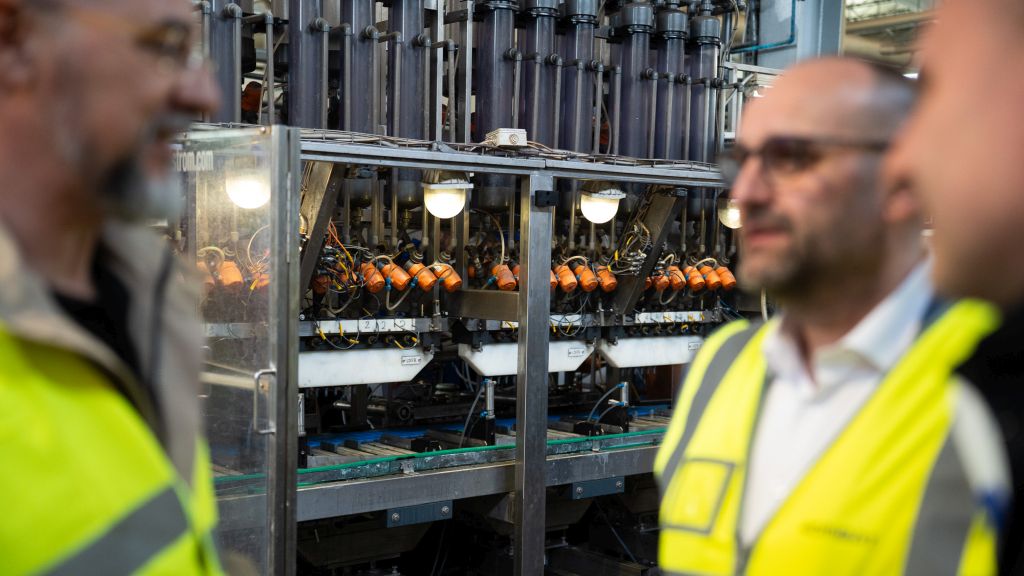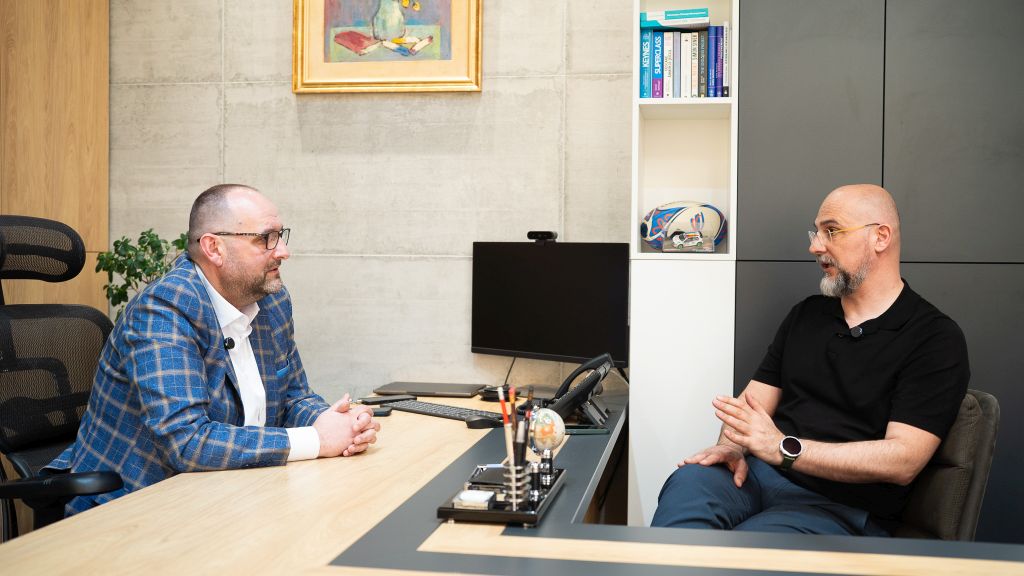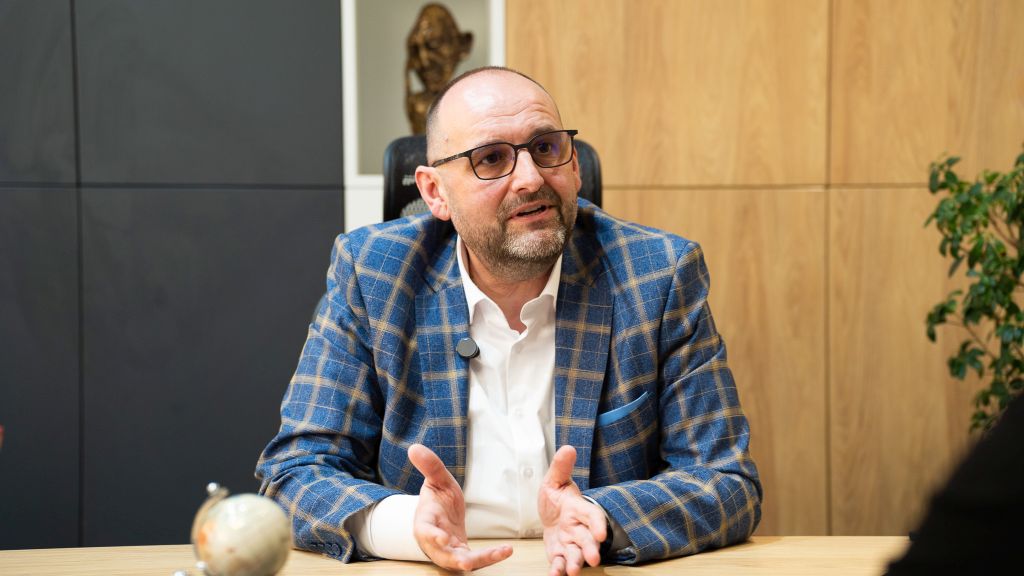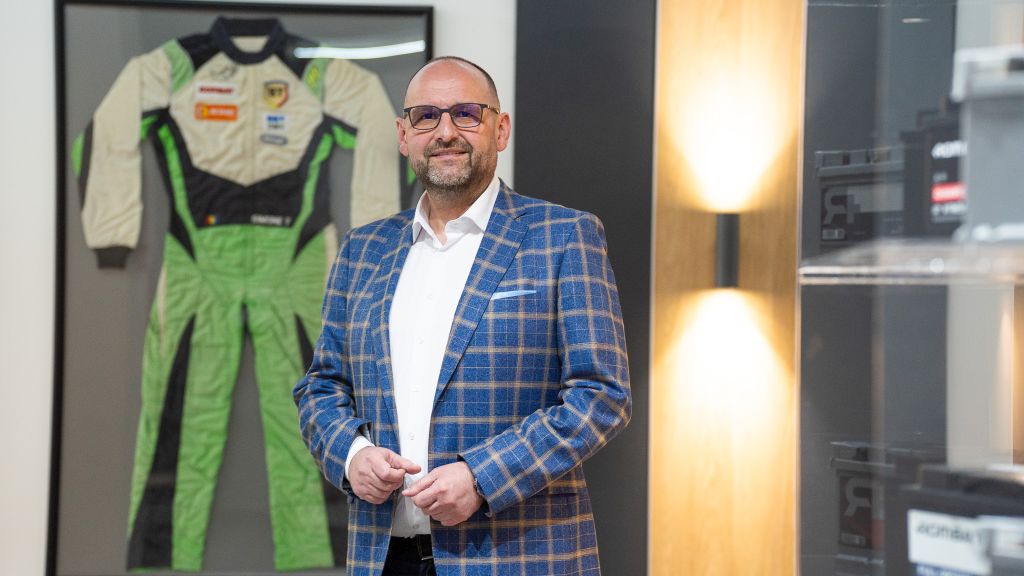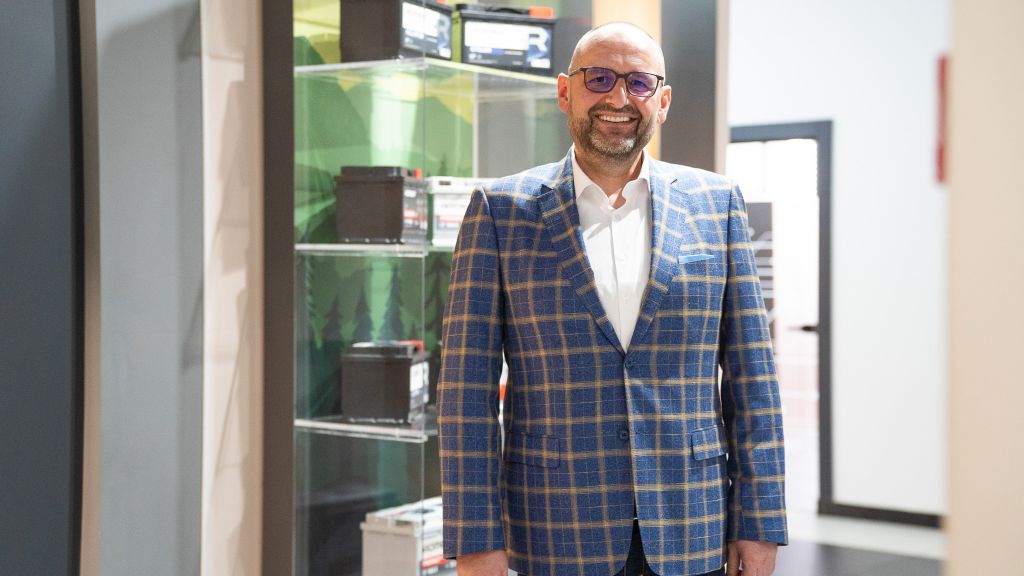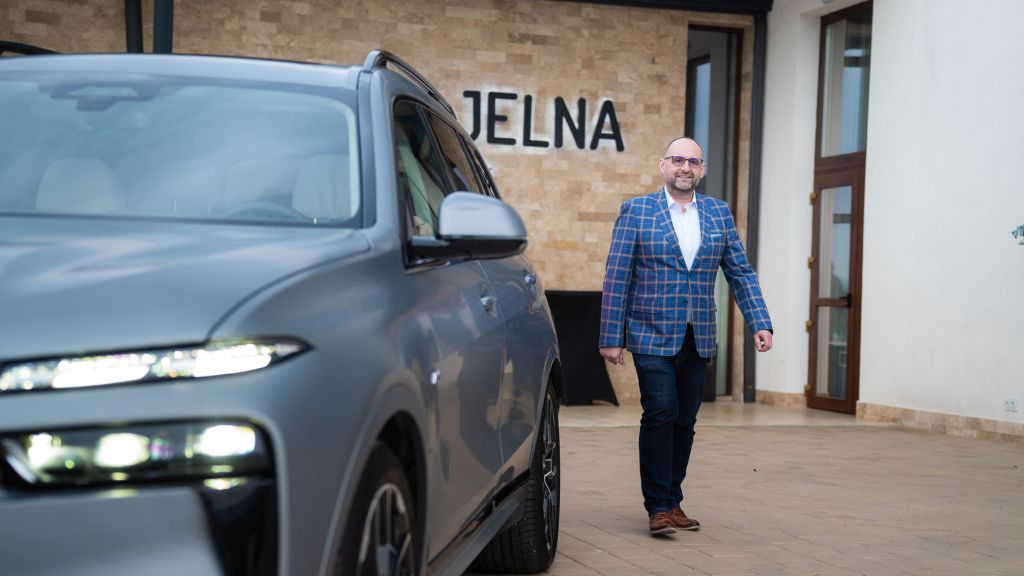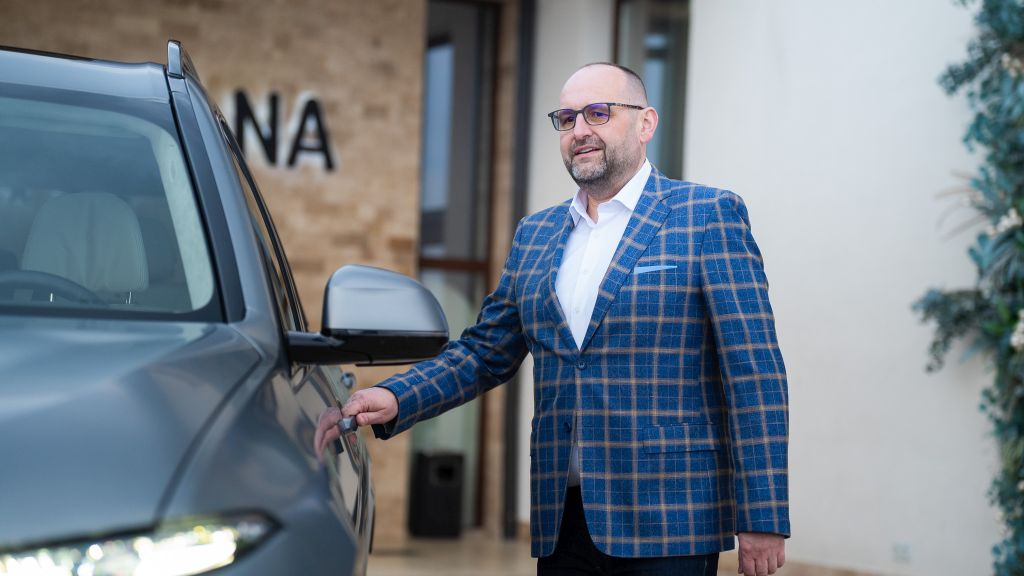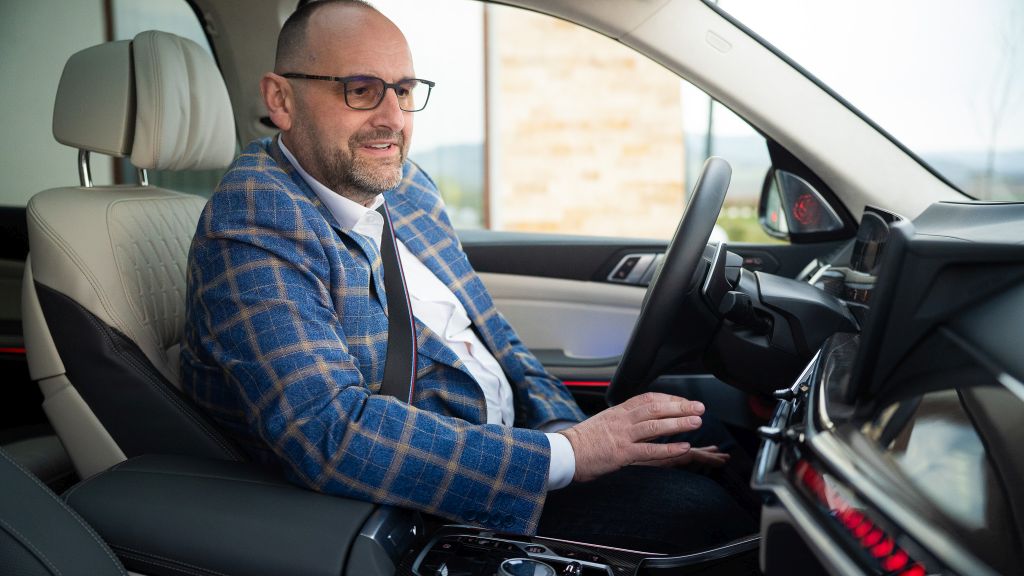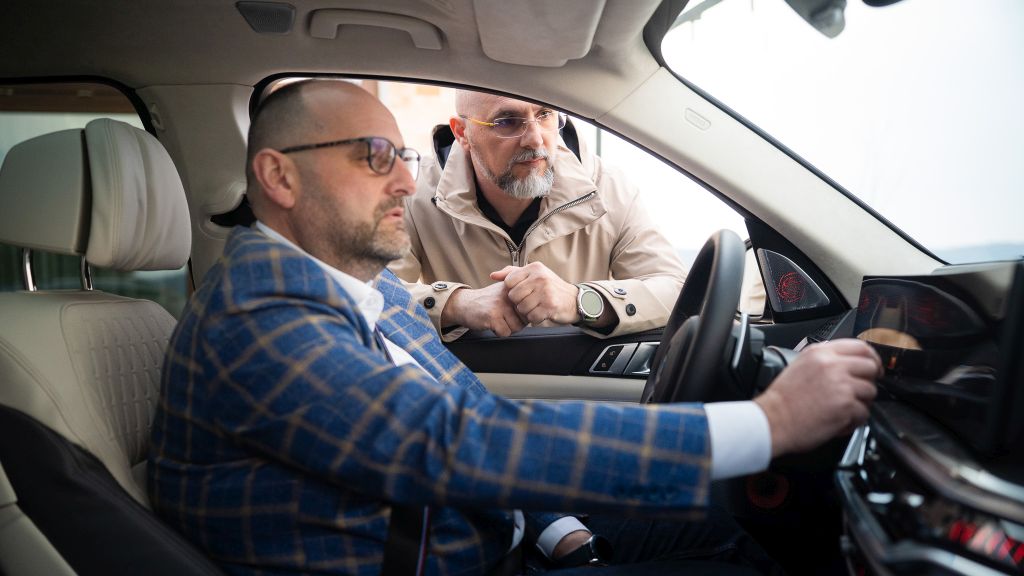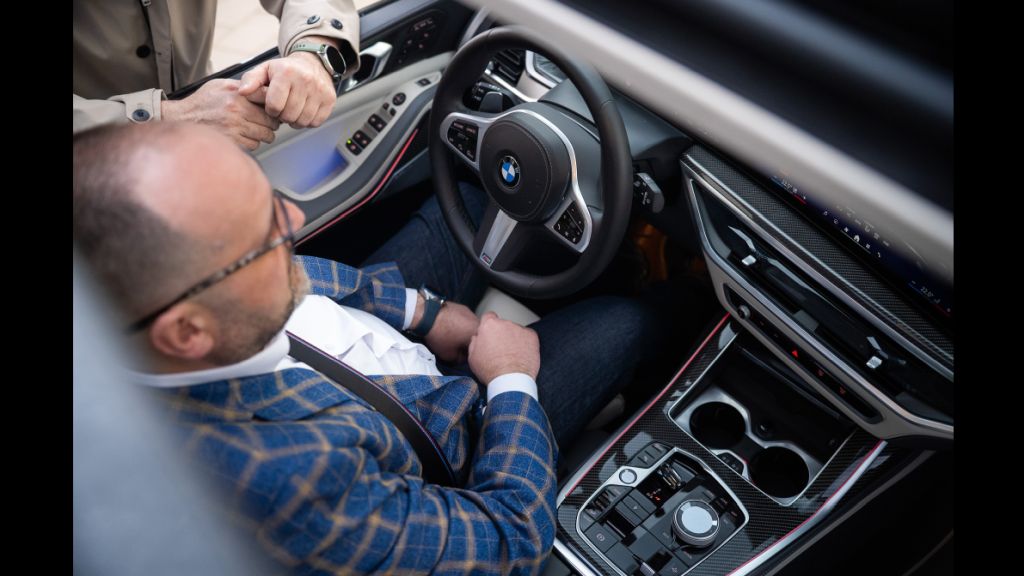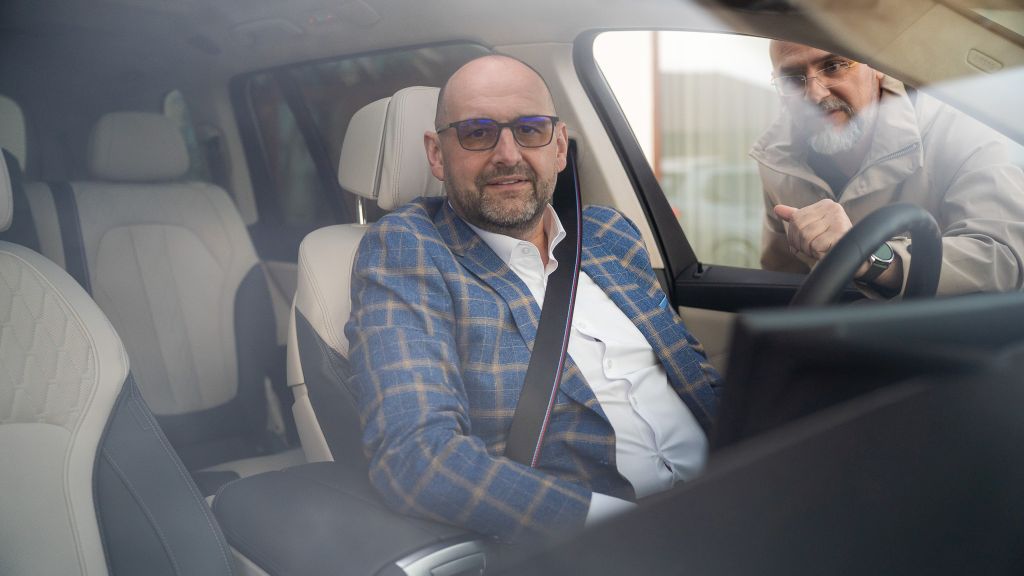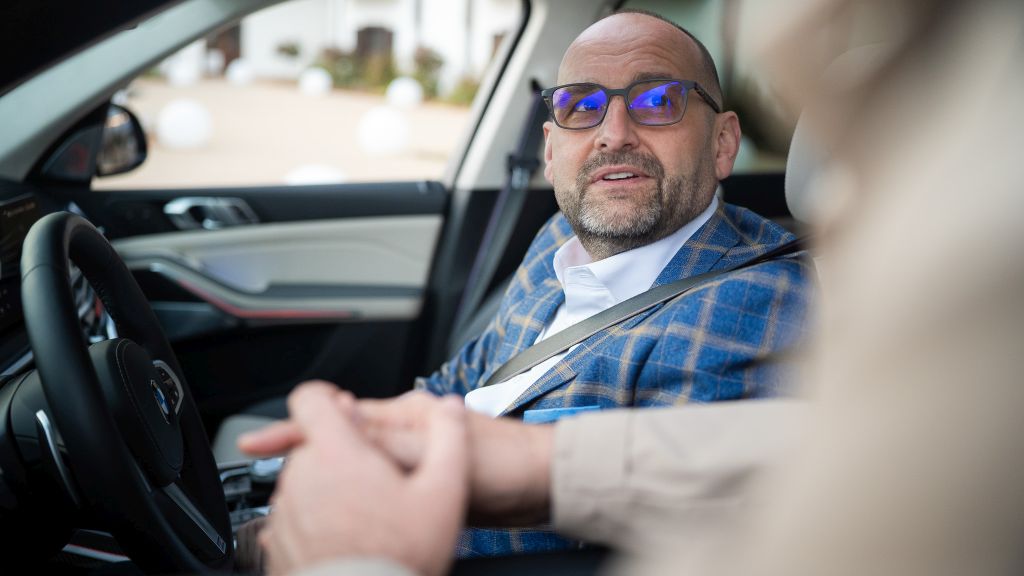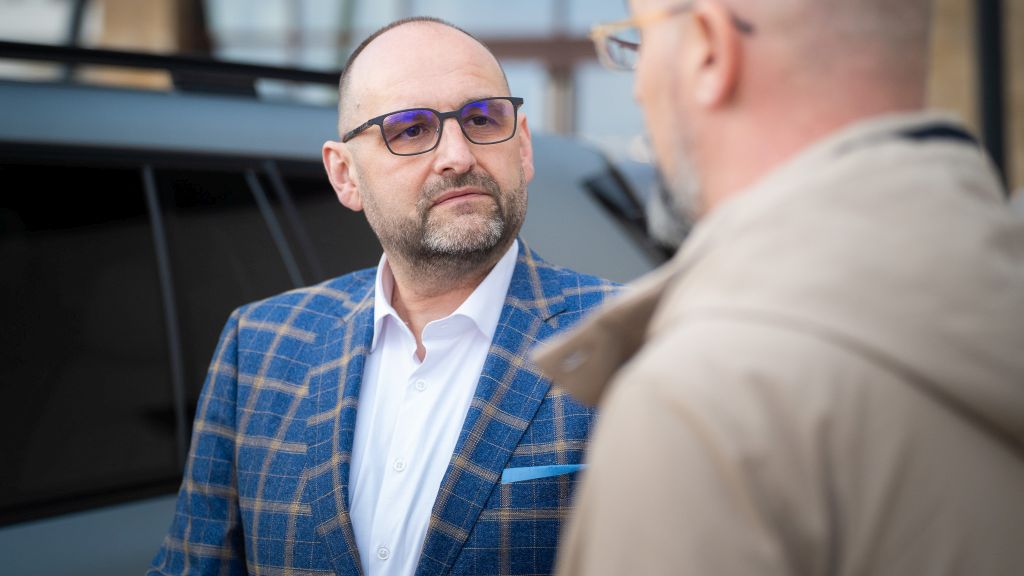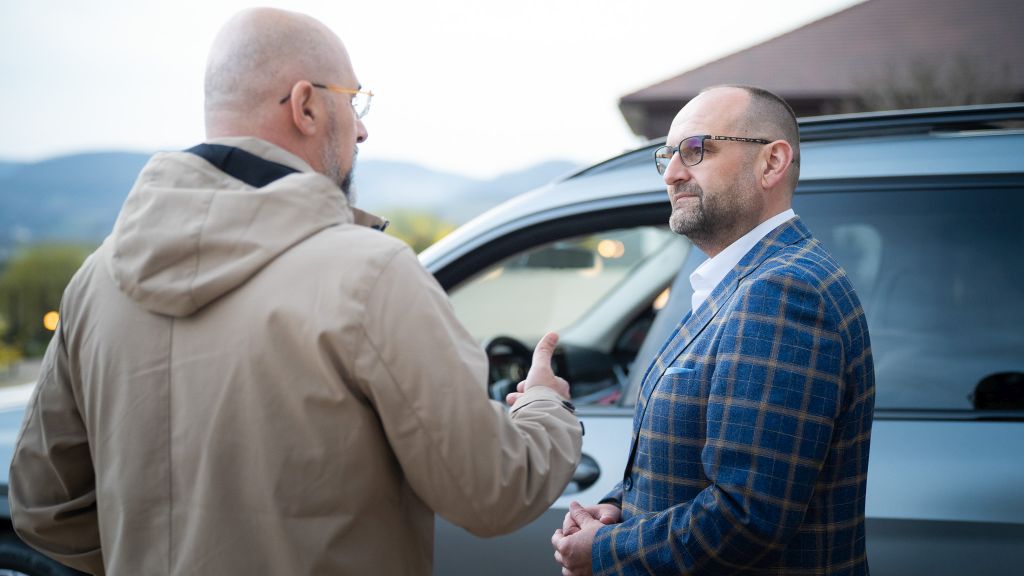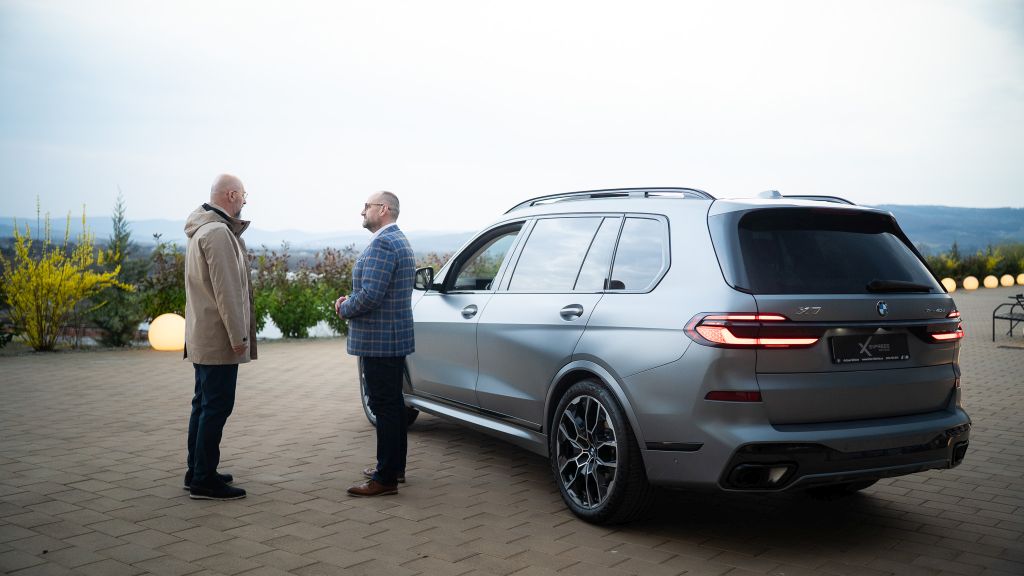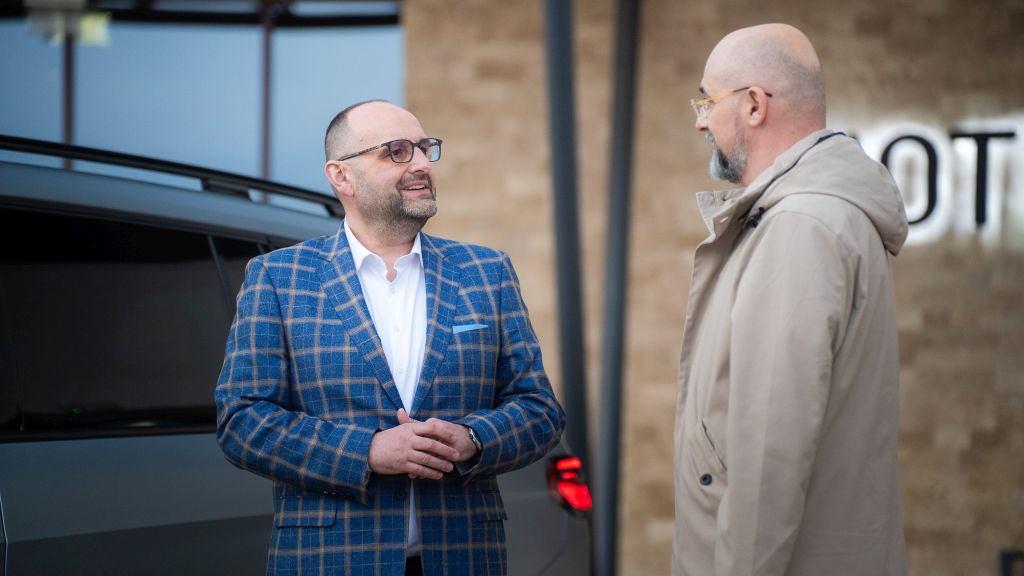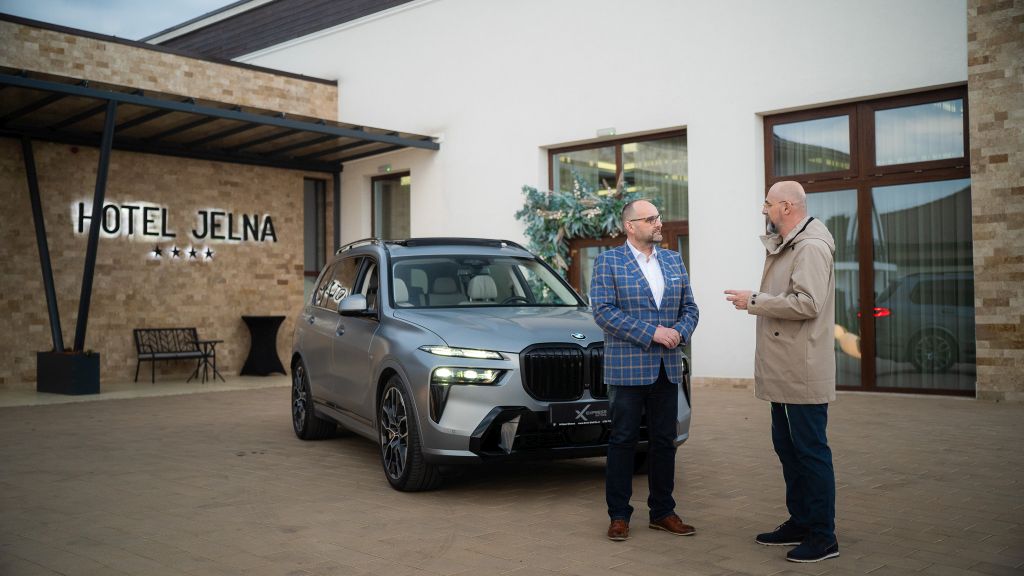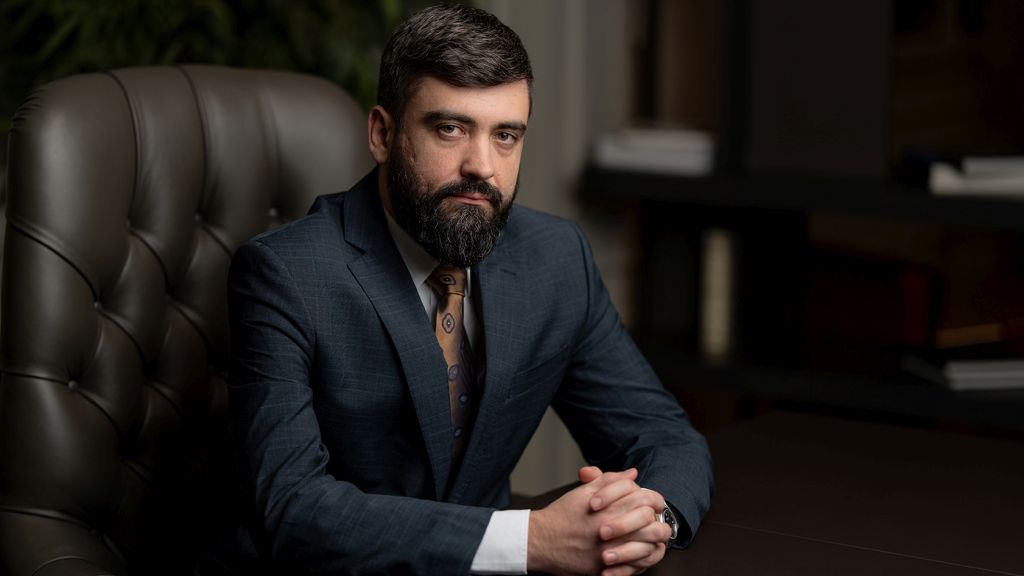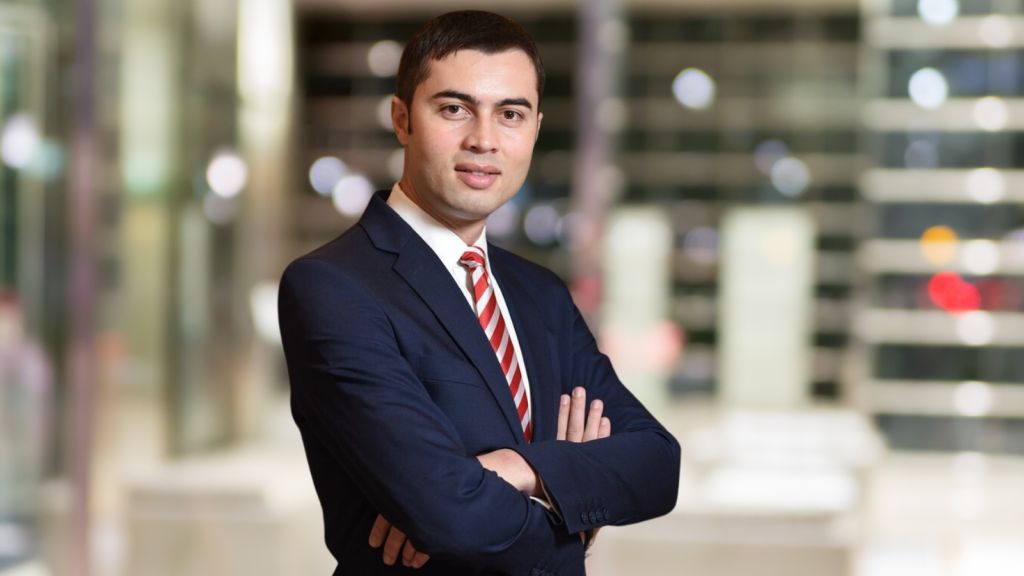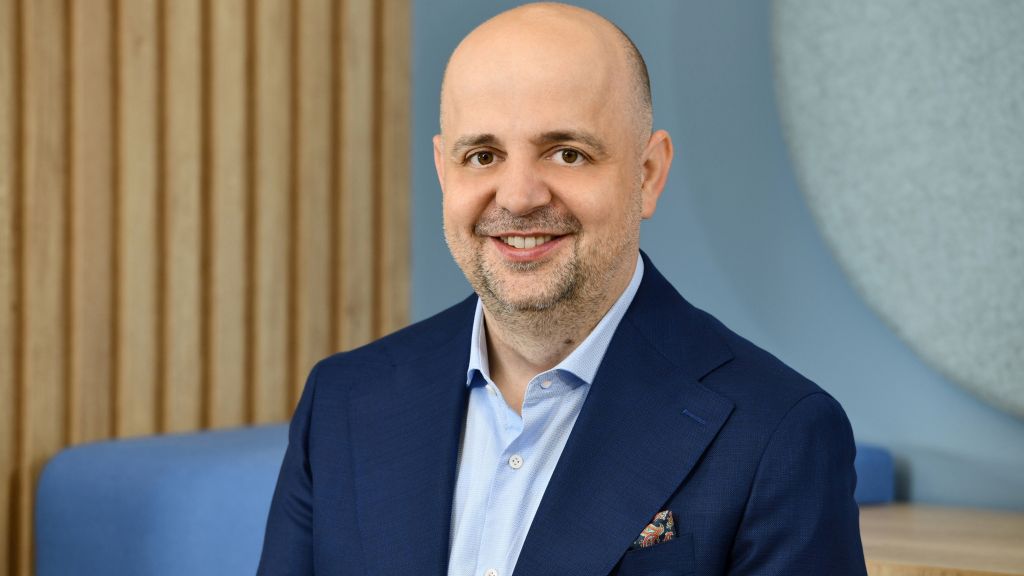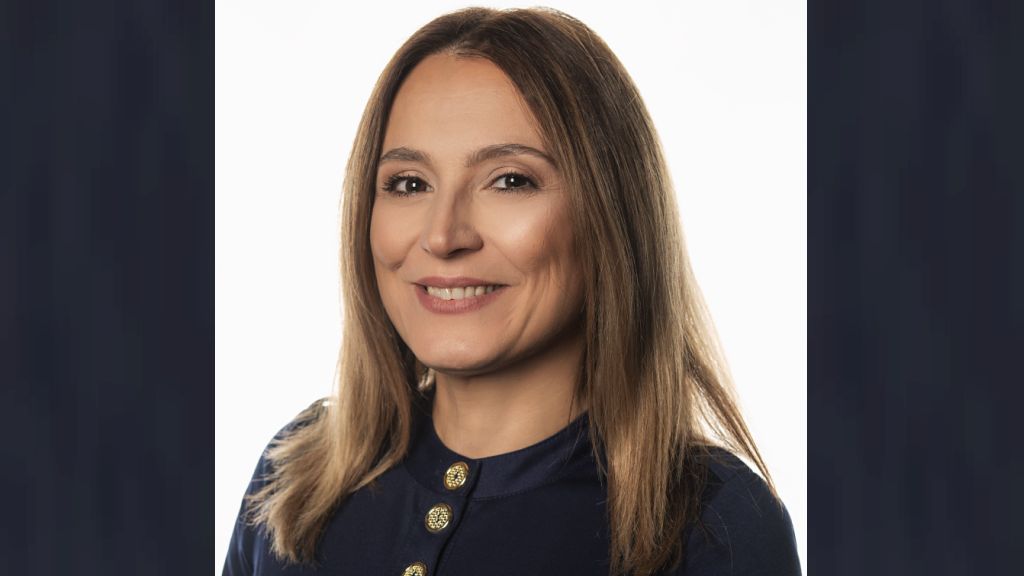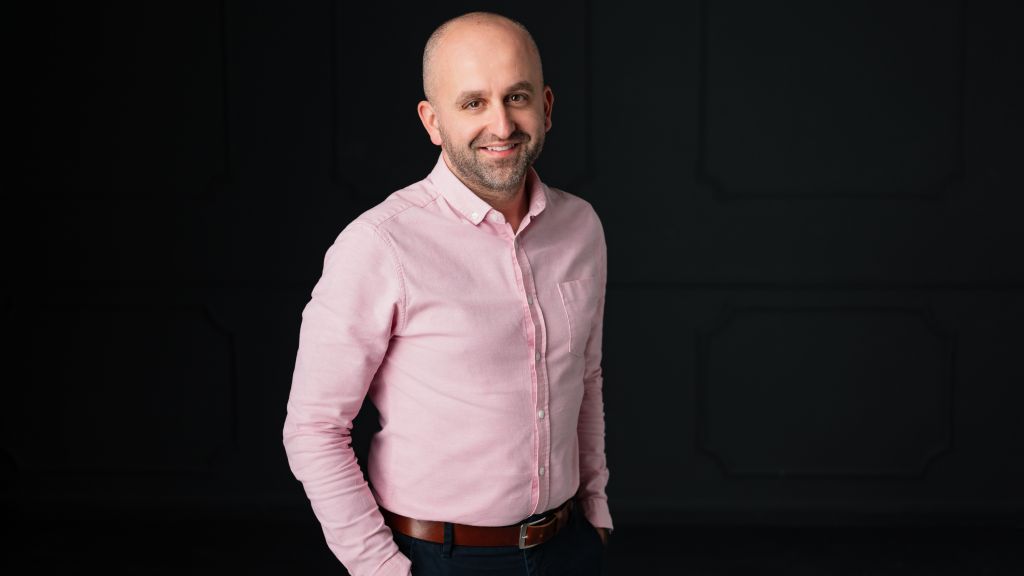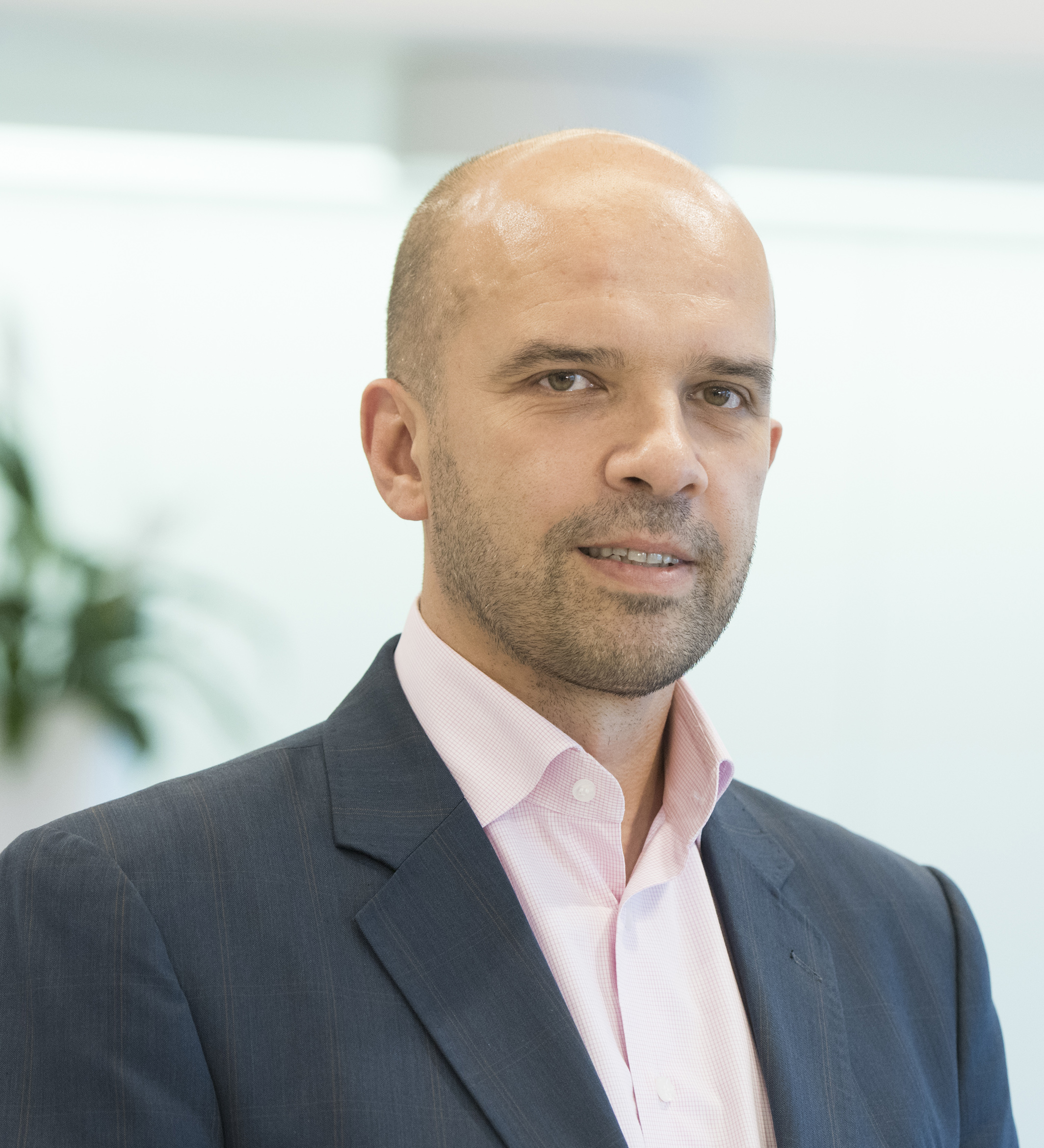
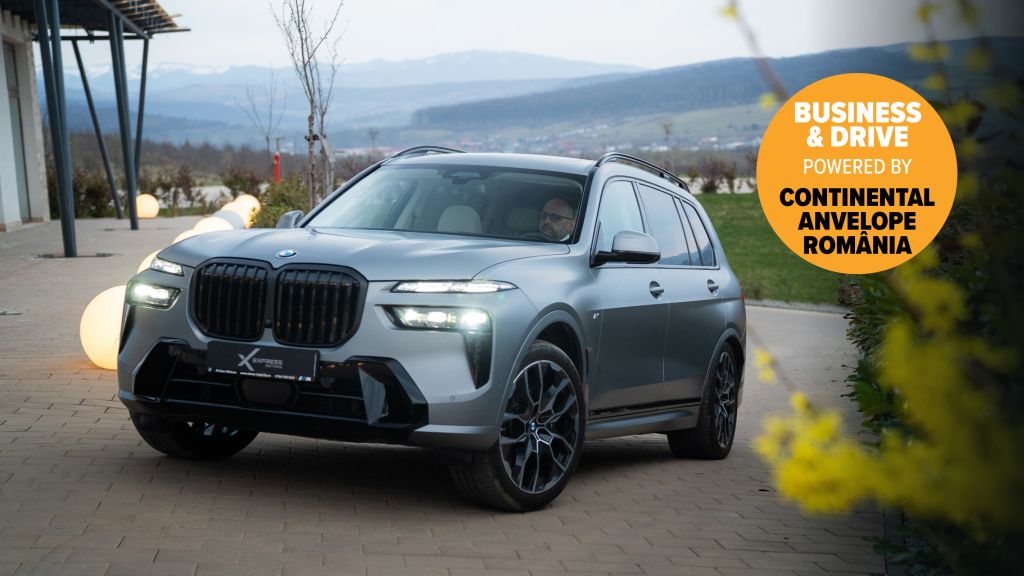
The first Business & Drive By Continental Tyres Romania interview of this year took us to Bistrita-Nasaud, where we met Alin Ioanes, CEO of Rombat. Alin is a pragmatic and dynamic CEO, constantly focused on learning and self-improvement. Since taking over the mandate, his results have transformed Rombat into an international-scale battery manufacturer, evolving from producing 11,000 batteries per year 45 years ago to 11,000 batteries per day in 2026. In this interview, Alin talks to us about his professional journey, but of course also about cars and passions.
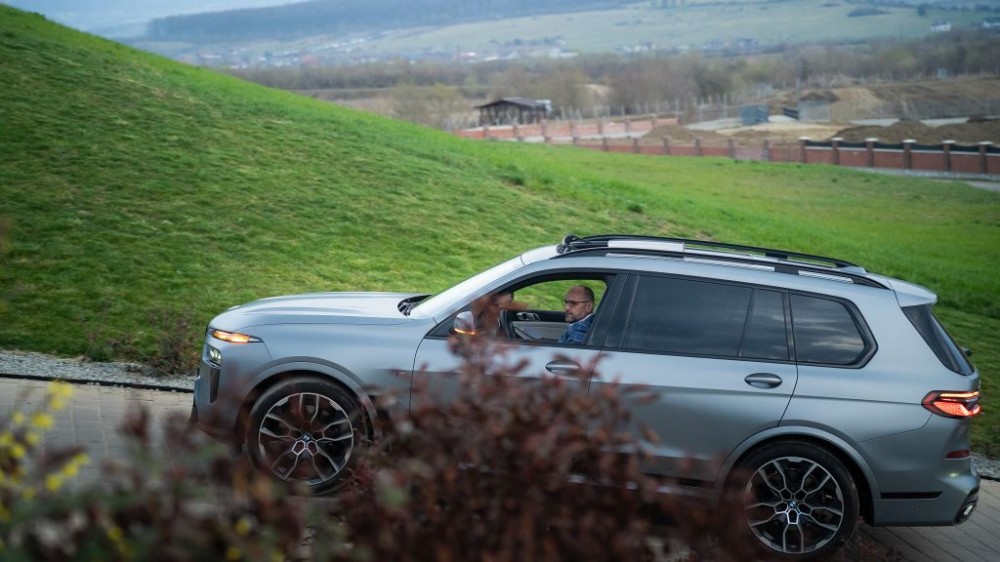
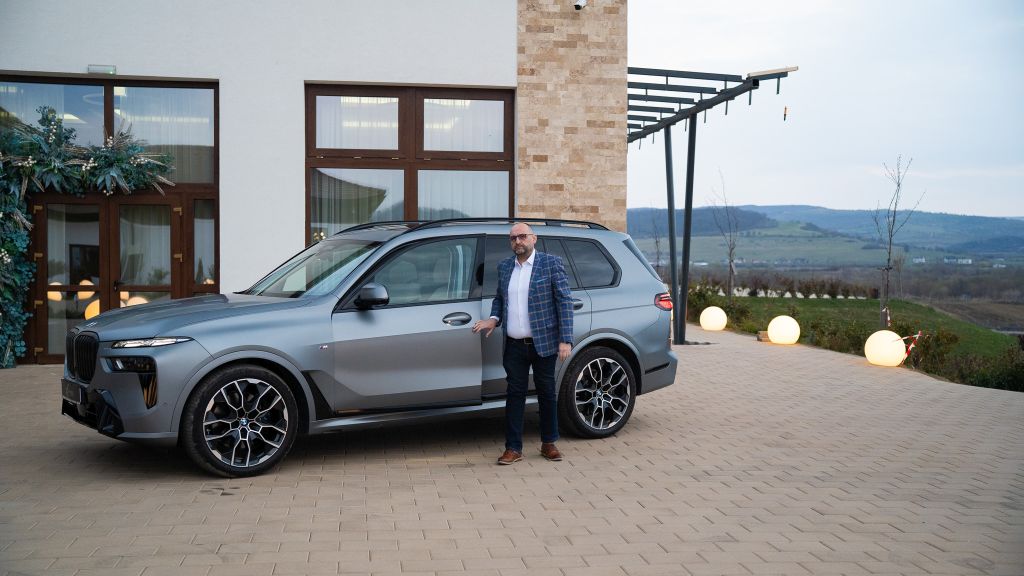
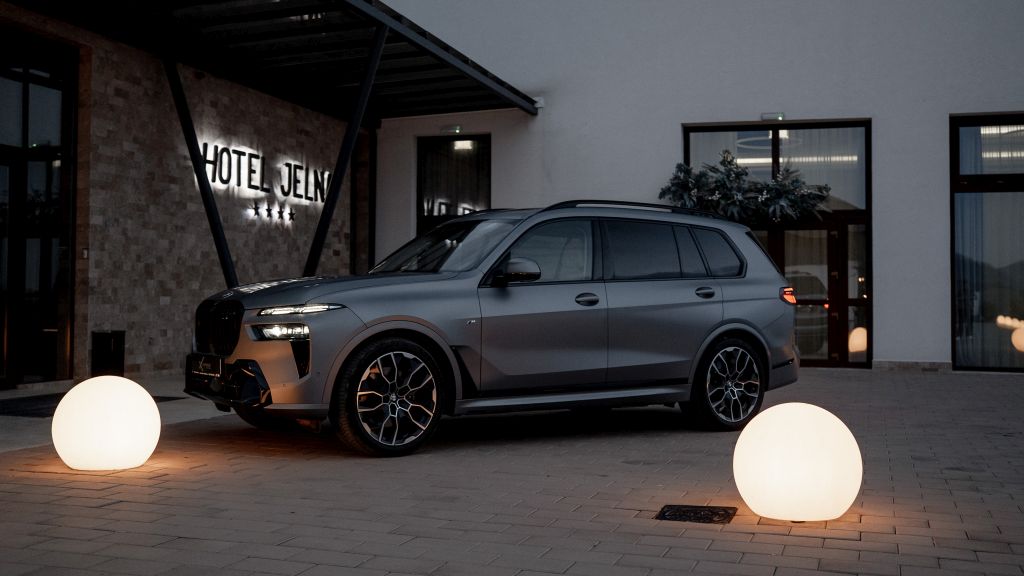
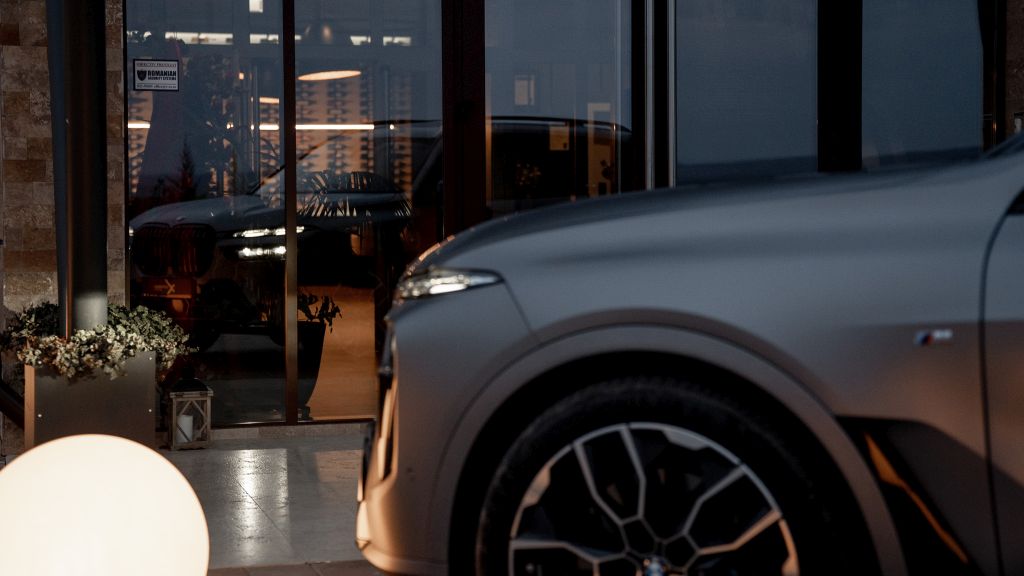
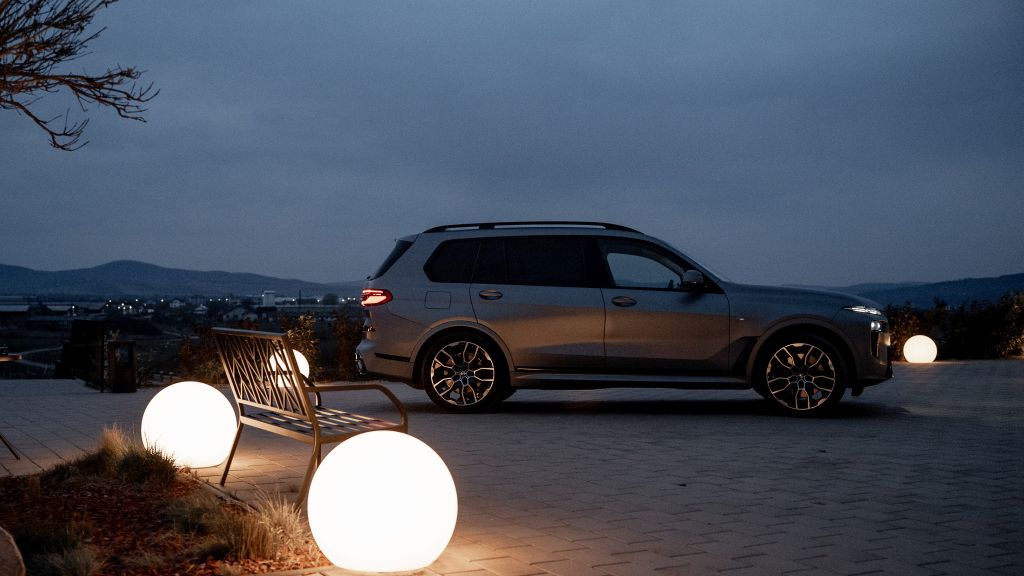
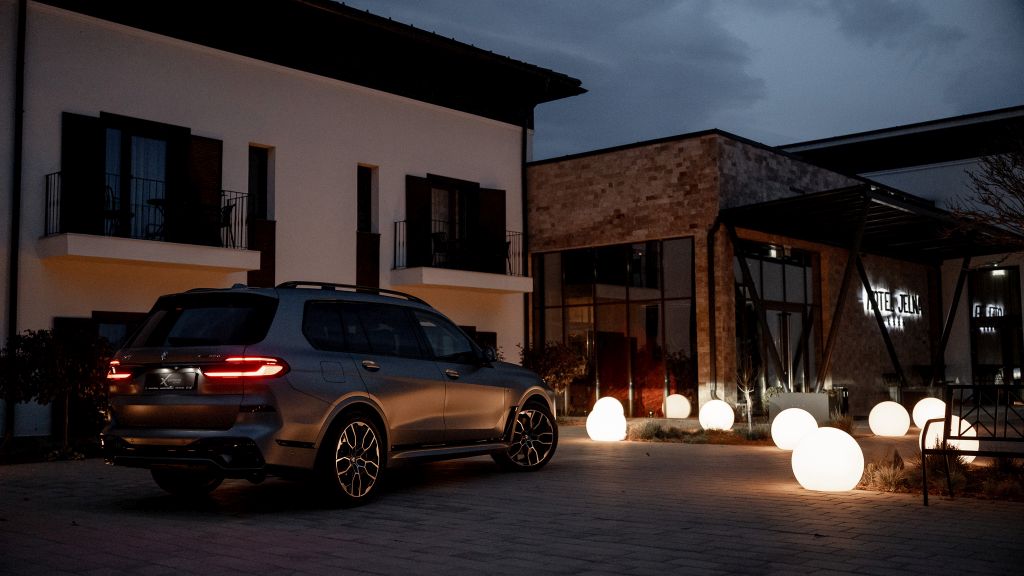
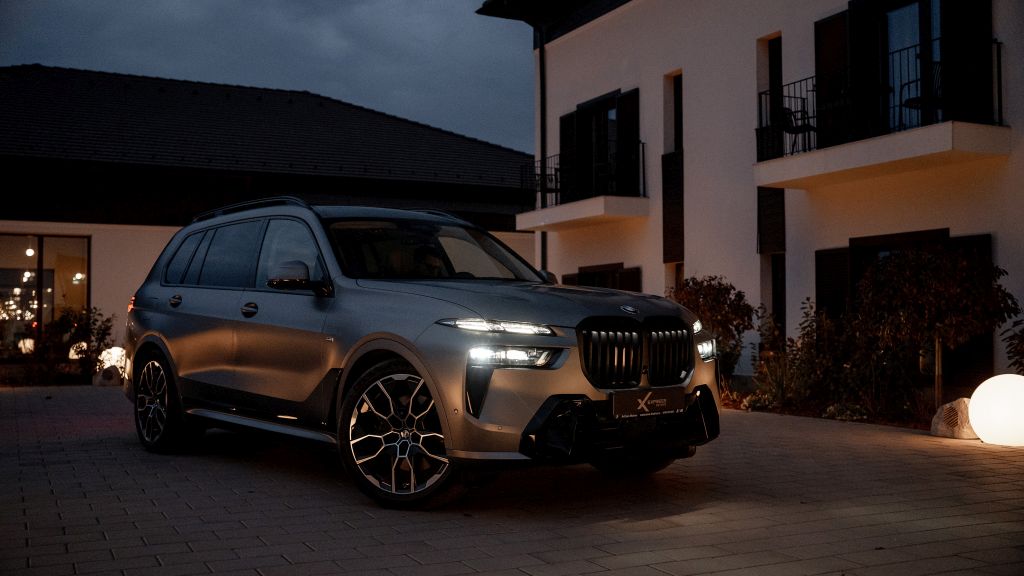
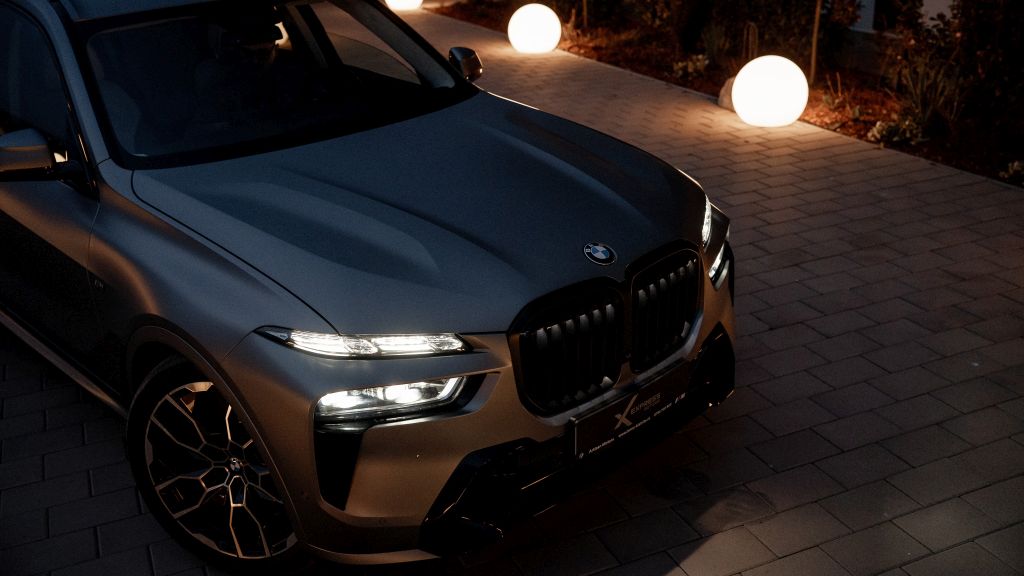
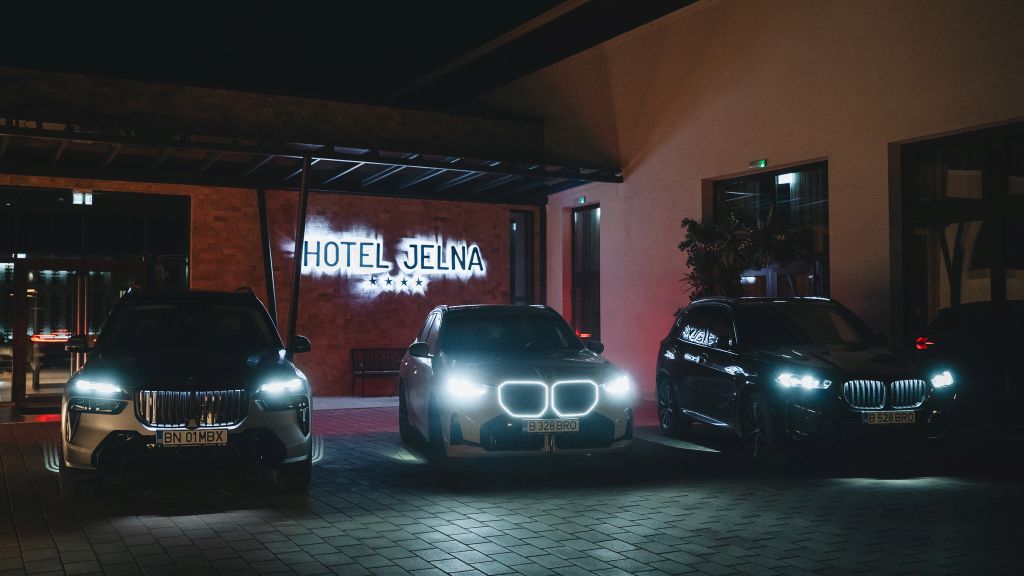
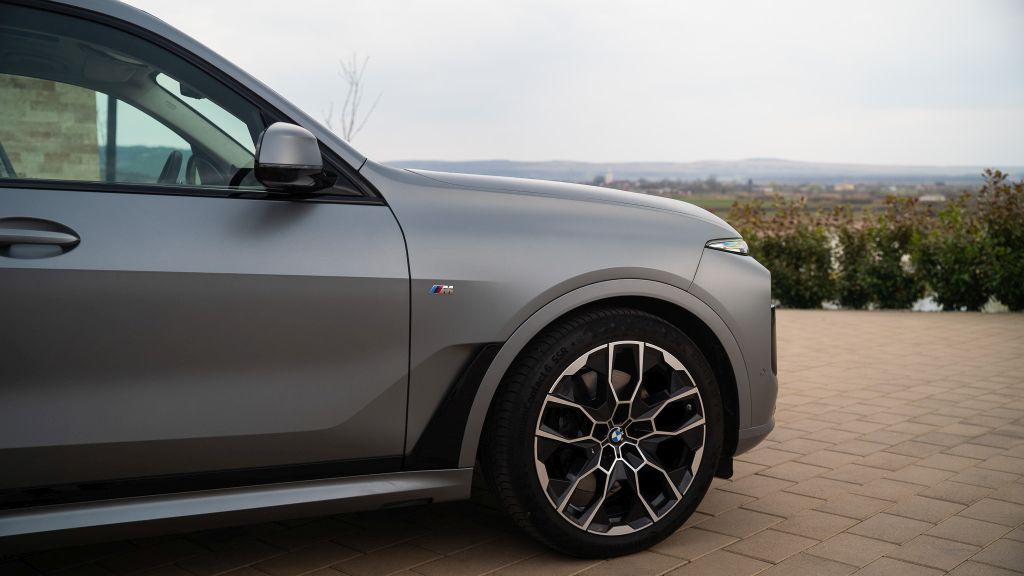
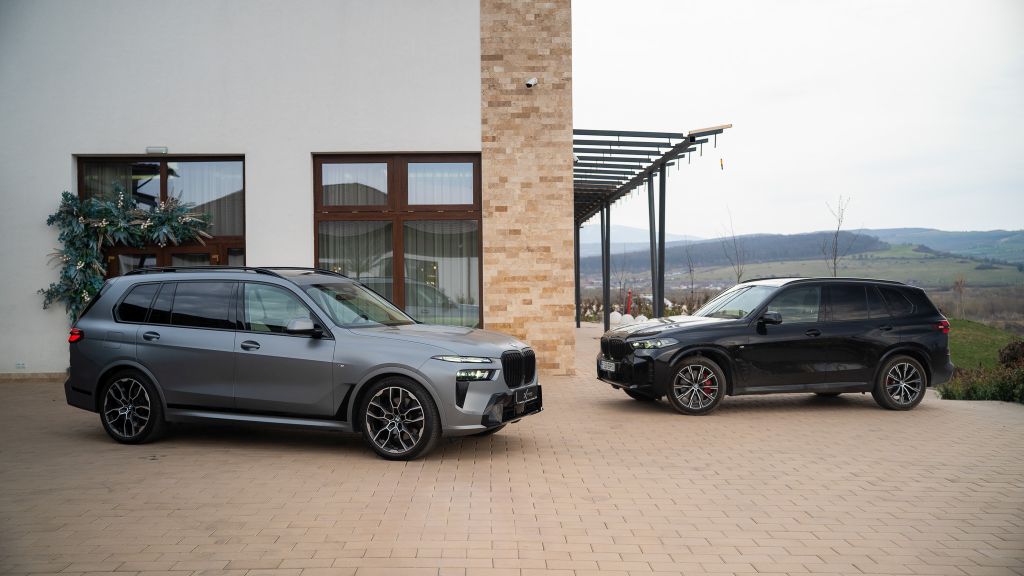
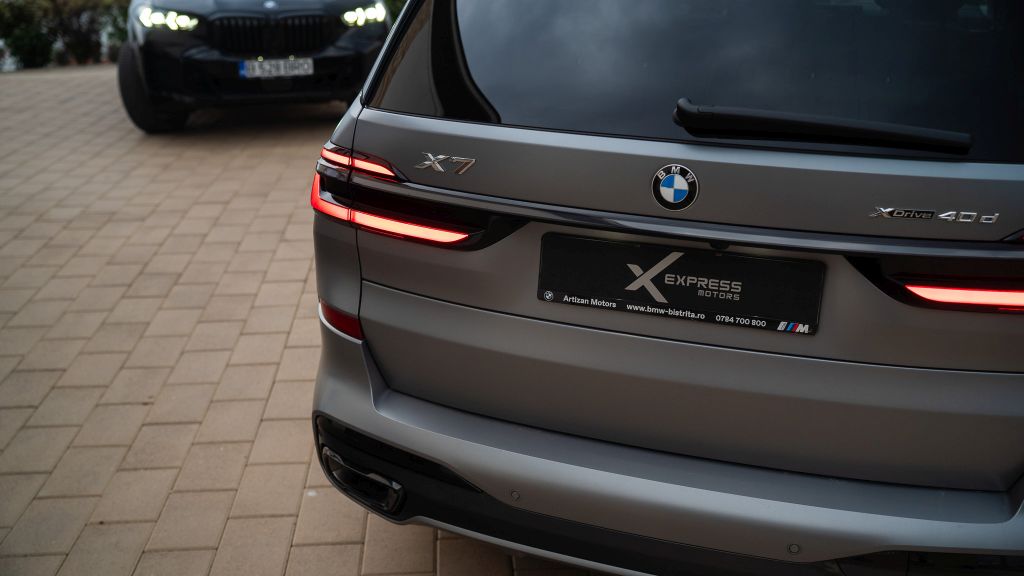
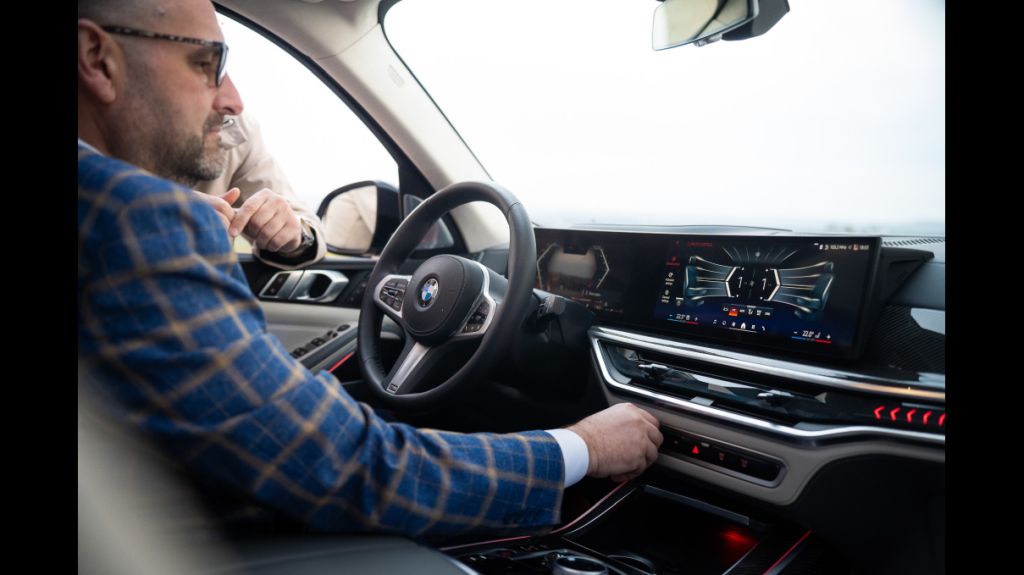
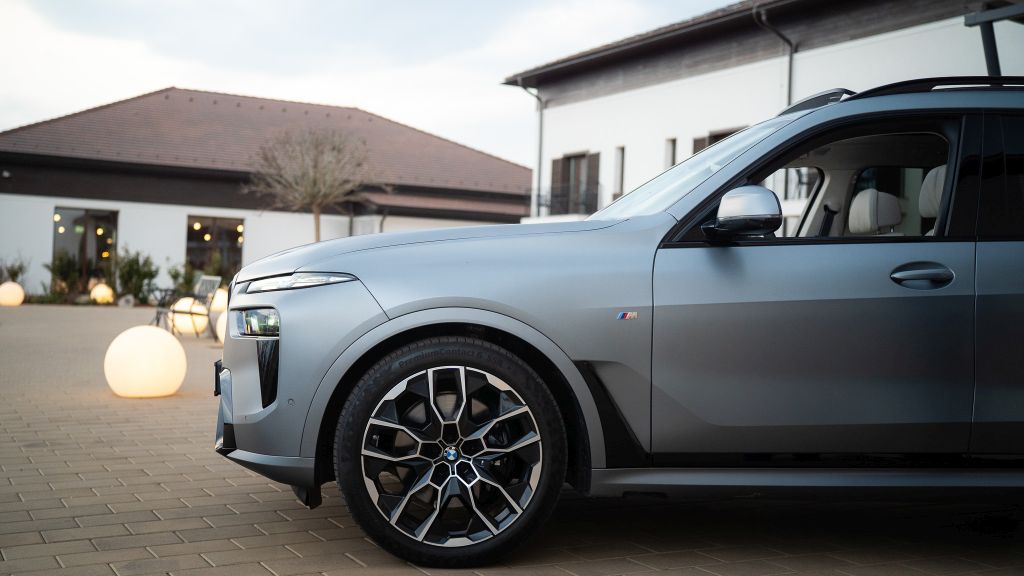
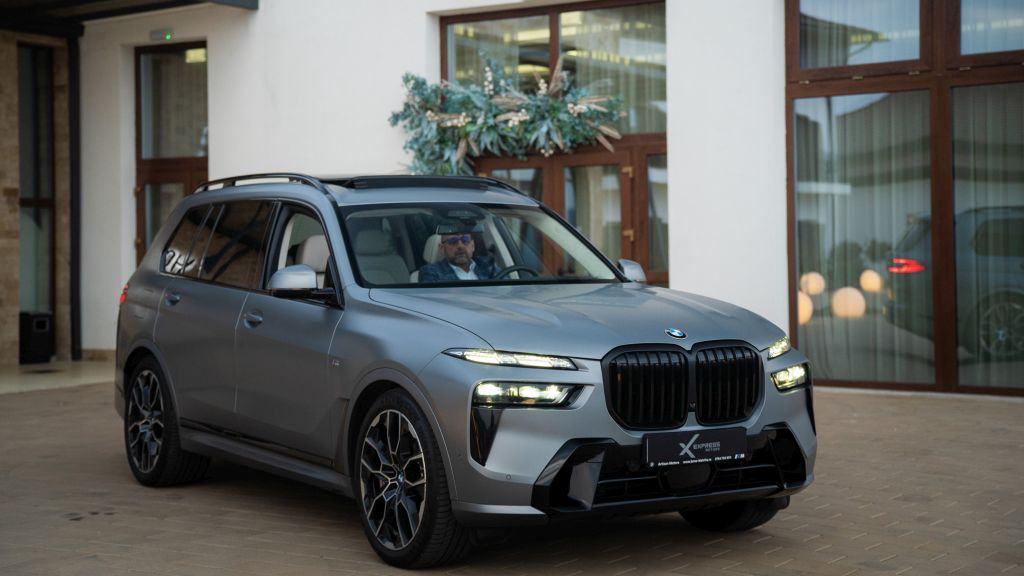
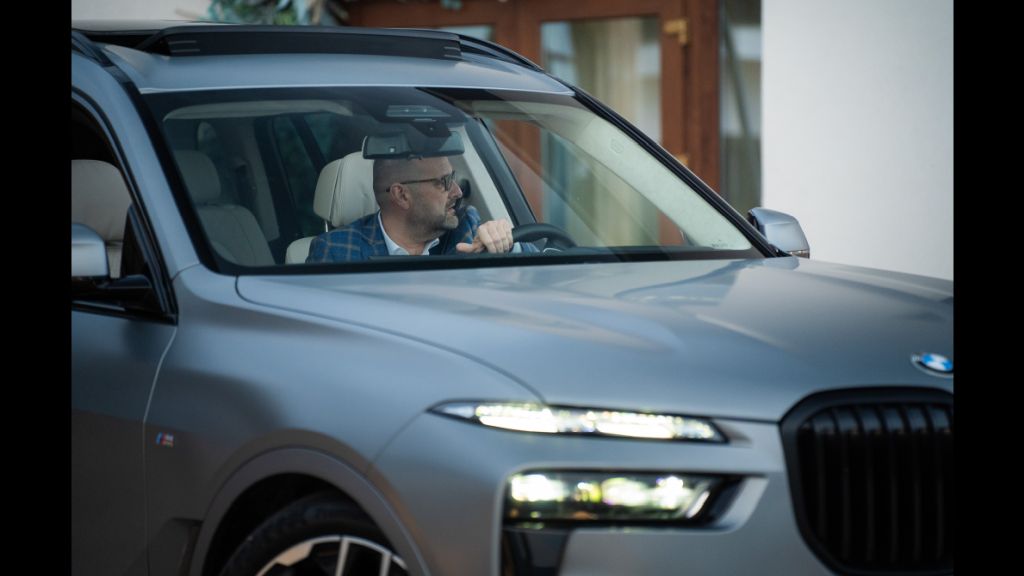
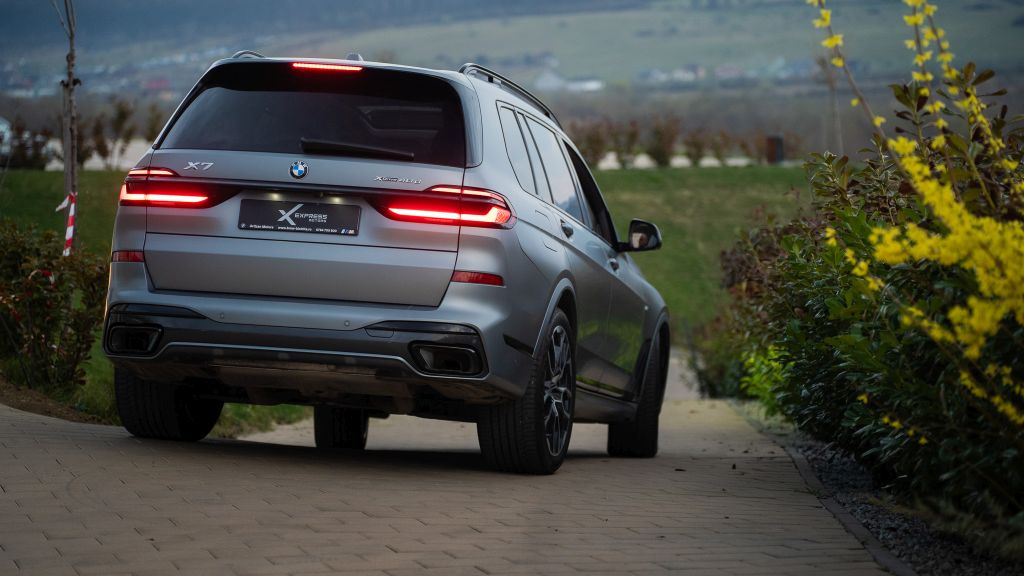
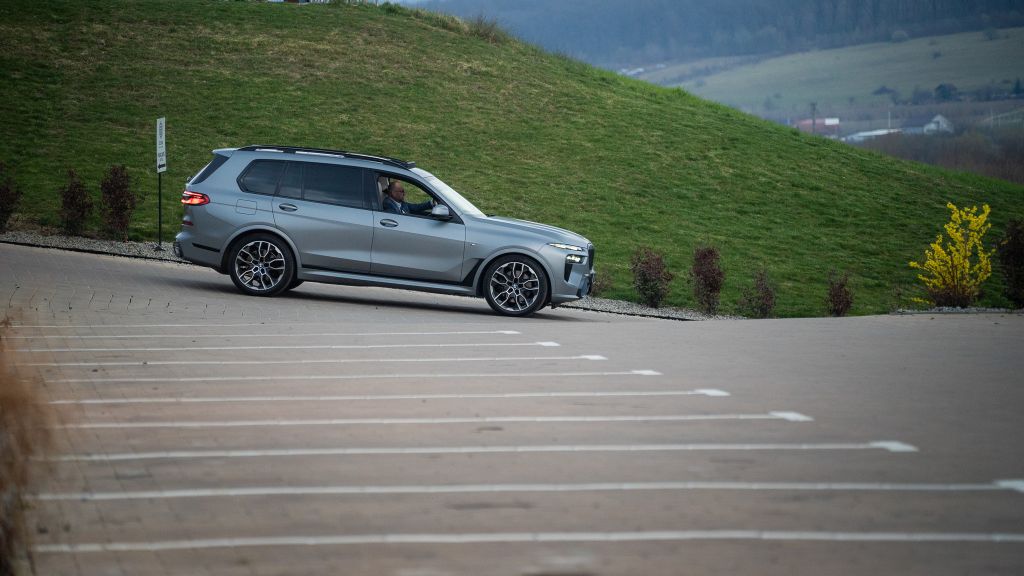
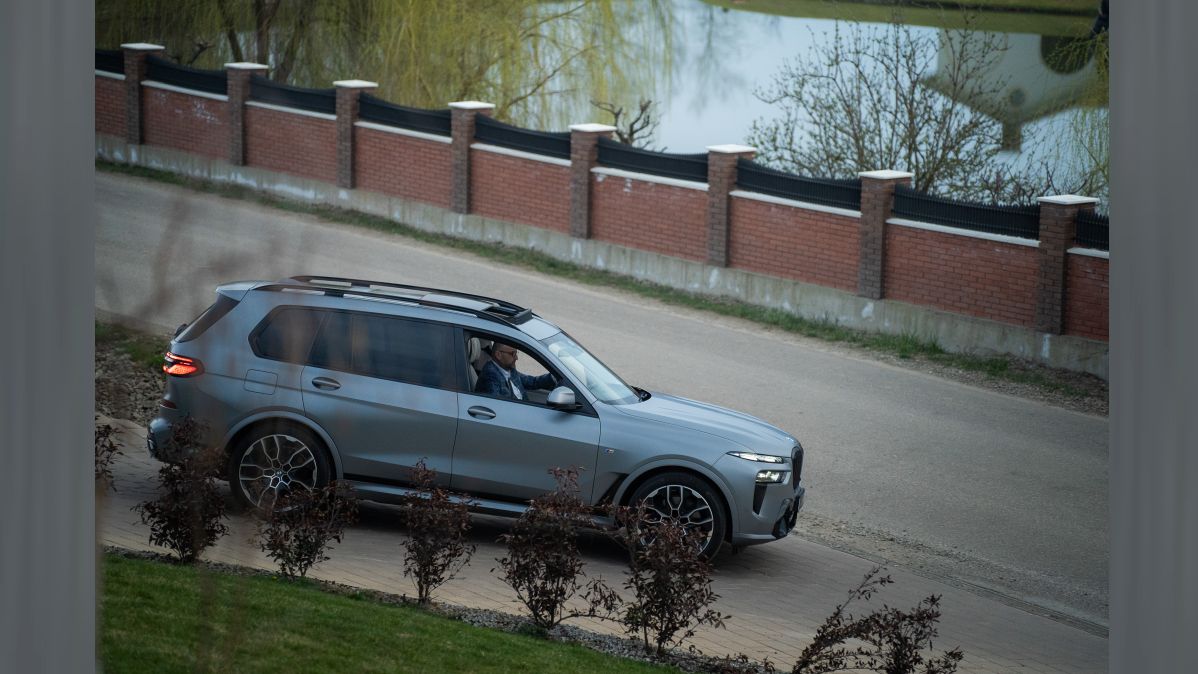
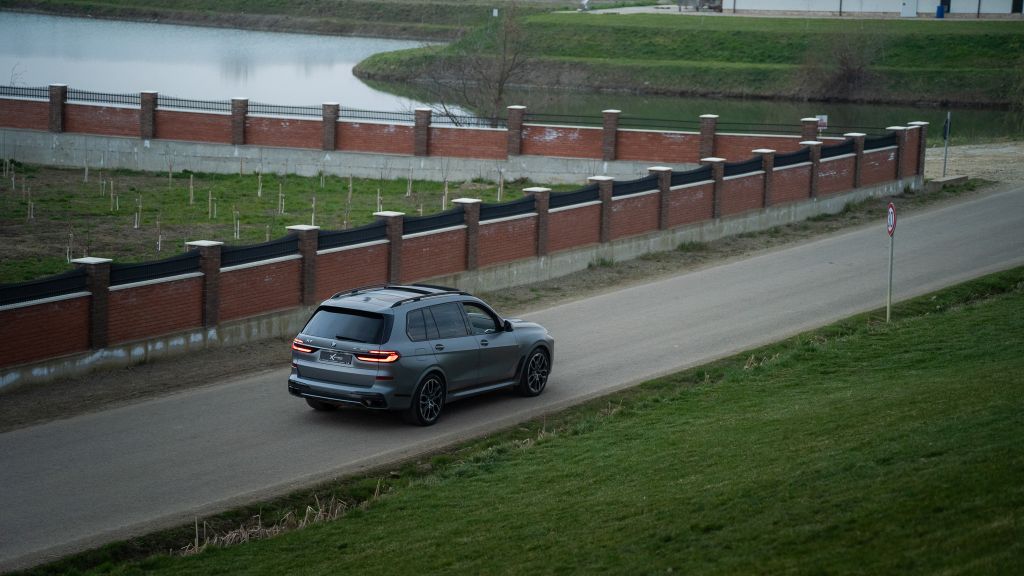
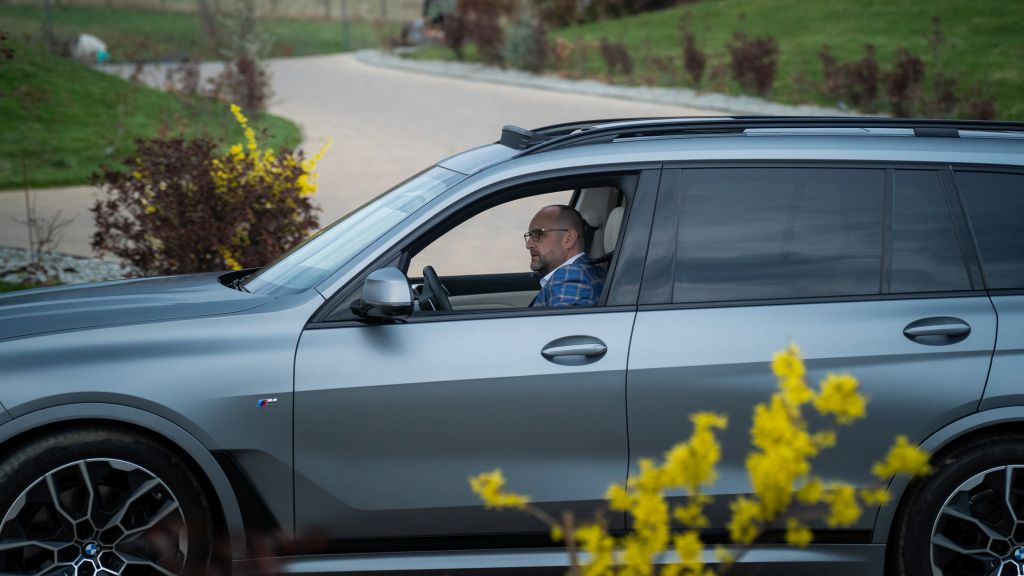
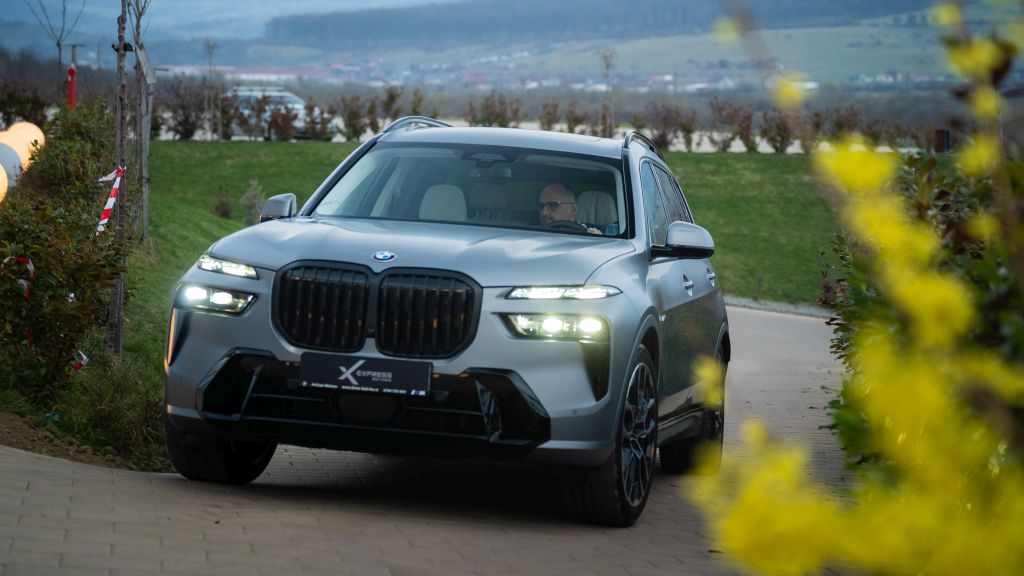
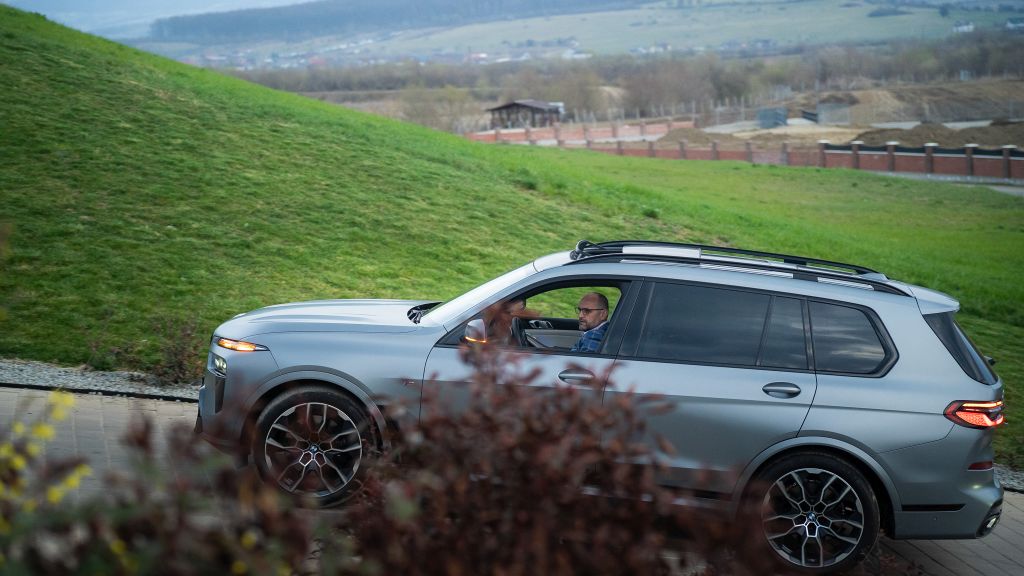
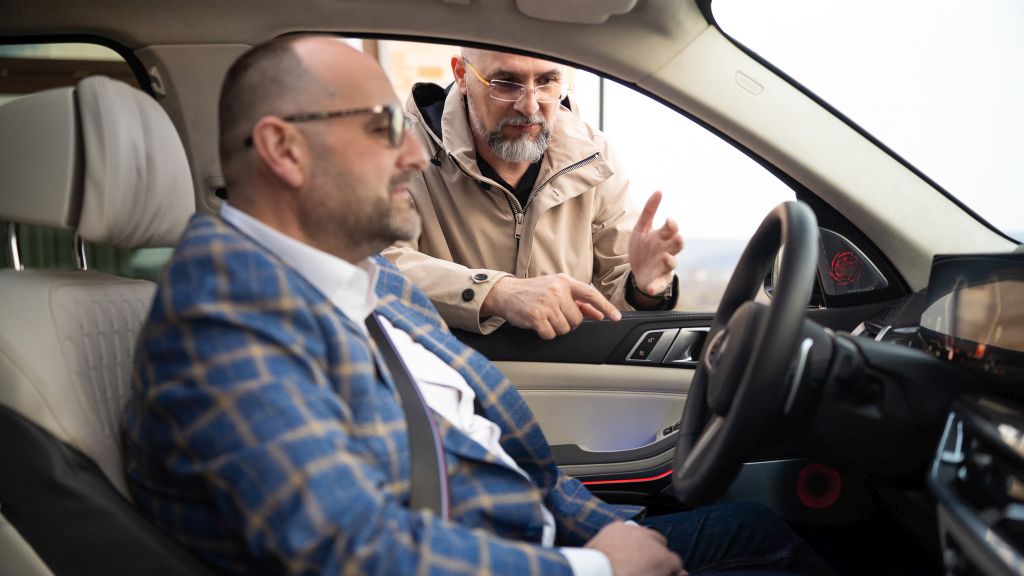
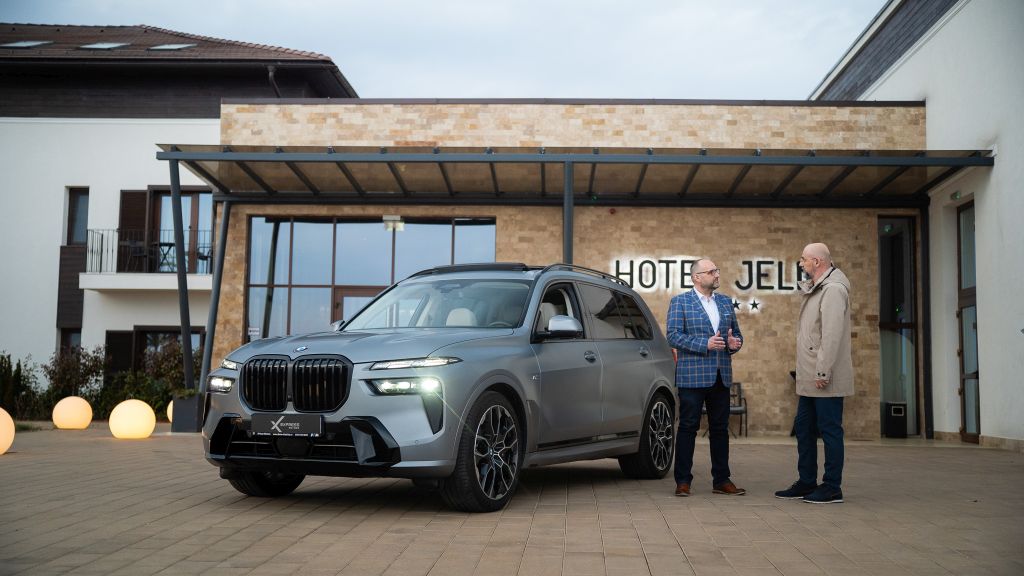
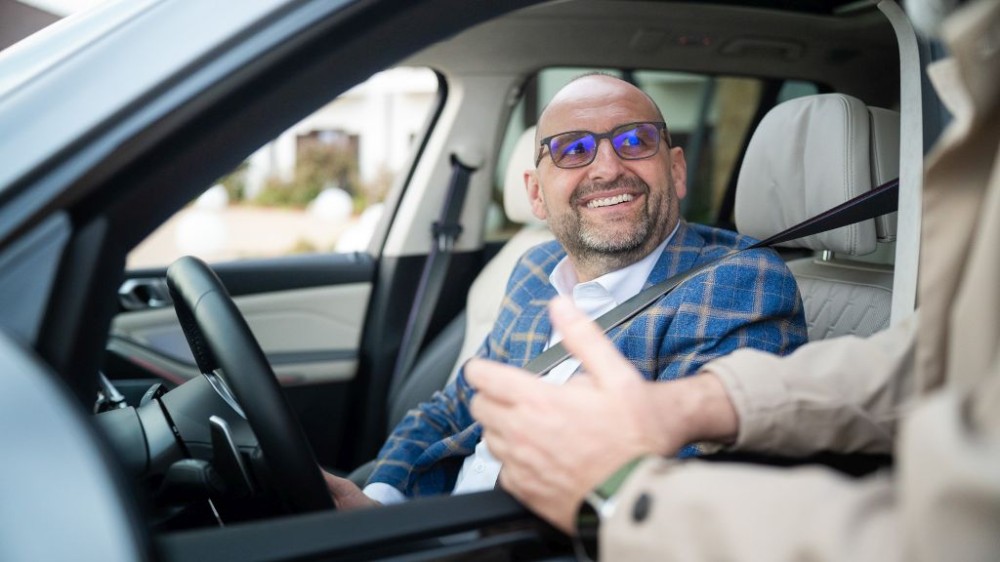
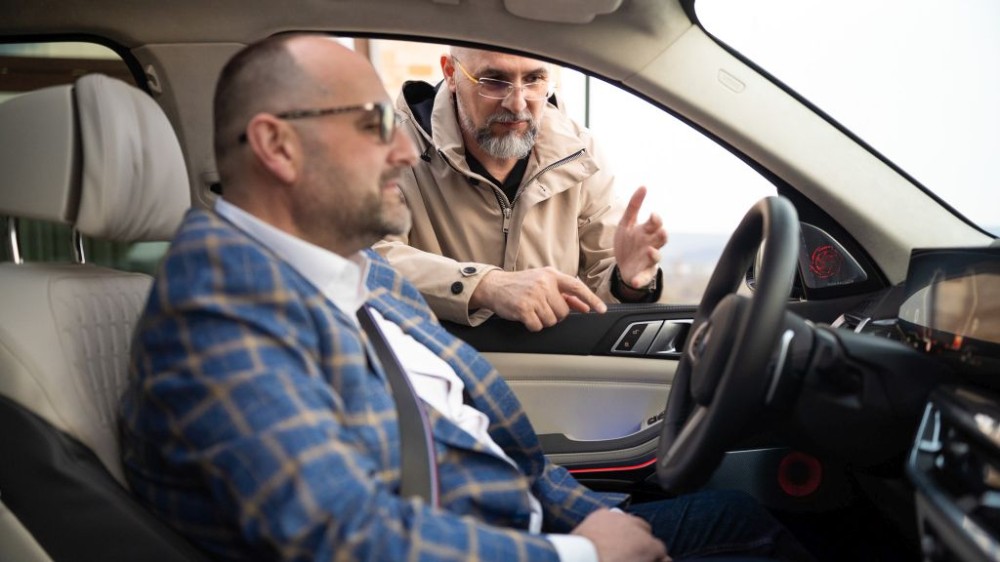
We thank Express Motors Bistrita for helping us with a BMW X7 for the test drive and Hotel Jelna, where we held the photo session.
Doingbusiness.ro: Hello, Alin! You are originally from Cluj and moved to Bistrita-Nasaud to lead Rombat in 2021. Tell me how your transition into the automotive sector began. What was the beginning of Alin Ioanes’ journey in this industry like?
Alin Ioanes: That’s a good question, and I’d like to give a slightly broader introduction, in the sense that it was not necessarily my goal to work in the automotive industry. Life in general, and my professional path, led me toward this automotive area. What I wanted to say is that I have always worked in companies that integrated all these functions: production, distribution, R&D, product development – basically 360-degree integrated businesses. I have always been involved in operations. I liked understanding the entire process from the ground up, which allowed me to accumulate over 30 years of experience in production-related businesses.
Almost six years ago, I was contacted by the company to discuss joining the automotive industry. It was quite a broad and rigorous process, and in the end I was the fortunate choice to carry forward the destiny of a brand with more than 45 years of history in Romania. I was not entirely unfamiliar with the automotive area, because I came from a company producing utility vehicles for emergency services. I was already familiar with this sector, but the battery industry was something entirely new to me at the time. However, I already had the operational know-how and production principles required for such an industry.
DB: Was there anything during your student years that prepared you for this leadership area? How did young student Alin imagine himself years later?
Alin Ioanes: I think these are two different things. Many people confuse leadership with management or with a leadership position. I believe leadership is connected to certain native abilities that you either have or do not have. These abilities must be cultivated throughout your career and elevated over time. I have seen people who, through the way they behaved, understood situations, and related to others, became informal leaders within a community or team. I have seen people leading teams without even realizing it. That’s why I strongly believe in these native abilities that determine whether you can be a leader or not.
Going back to my student years, I indeed graduated from the management faculty. At that time, management was still quite an abstract concept. It was the period immediately after the Revolution, and people didn’t really know what management actually meant. As students, we could not say we had a very clear vision of what we wanted to do or what our career should look like. One wish I had was to work in a multinational company. Probably the attraction of being able to travel and interact with other cultures also mattered – considering I grew up before 1990 in a country where traveling was not accessible.
Ironically, I later always worked in multinational companies. I found this incredible, both from the perspective of exposure and from learning different ways of relating to situations and understanding that our needs differ from those of others. Through refining this leadership model, I understood that being a leader does not mean creating KPIs or achieving performance at any cost, but rather creating the right environment for the team to perform and develop in order to achieve the objectives we established together.
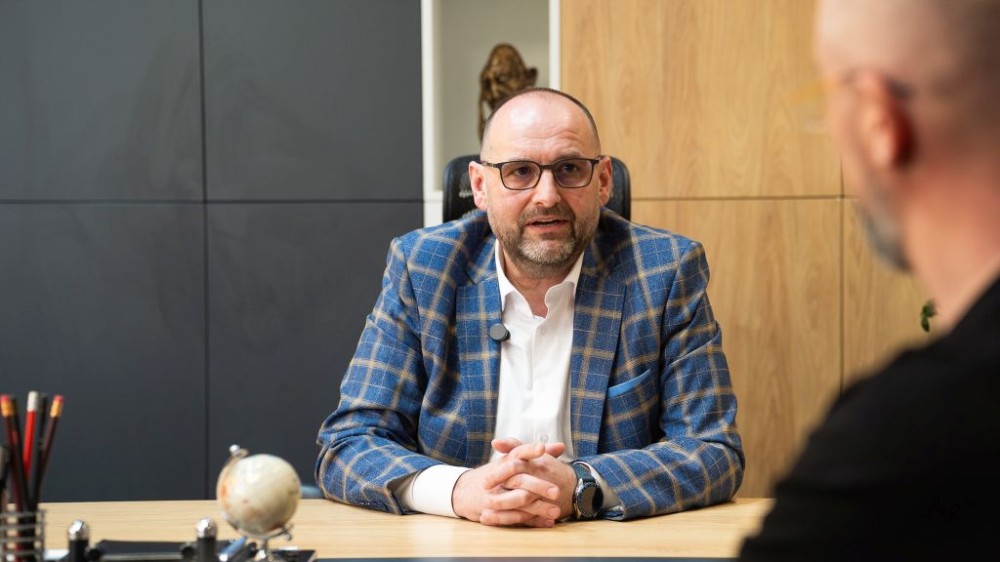
DB: From your international and multinational experience, is there any important business element you learned abroad that you brought to Romania and believe worked very well here?
Alin Ioanes: One very important aspect is that I learned how to listen. Active listening is extremely important – seeing different perspectives – because, as I said, being exposed to different cultures allows you to discover viewpoints that may not align with your own beliefs. That doesn’t mean they are wrong or right, just different. At the same time, I learned to make decisions based on facts and data. In our country, we are often tempted to discuss things emotionally. Emotions frequently play an important role in discussions, including those about performance. I don’t believe that’s the best way to evaluate or analyze performance, when discussions are based on feelings and emotional factors.
At the same time, I learned that it’s very important to call things by their real name. To be able to open up and say what you truly think. Not to try to “dress it up nicely,” as we often say. Because in the end, this allows you to reach far more valuable conclusions much faster.
DB: You are a pragmatic person, very focused on numbers and results. That is also reflected in the strong results achieved since leading Rombat. How do you maintain the balance between “people first” and the pressure of numbers?
Alin Ioanes: I believe people are at the center of any business model. Maybe at some point it sounds redundant to keep saying that people are the most important, but they truly are the most important part of a company’s mechanism. From this perspective, I placed particular emphasis on both their professional and personal development. I strongly support people development. I enjoy seeing people around me grow, evolve, and show an appetite for learning and development.
At the same time, the financial side cannot be disconnected, because it remains an essential element through which we measure performance. But financial performance and KPI performance actually mean engaging and mobilizing the team to respond to certain values and believe in a mission we all share here.
DB: I noticed that throughout Rombat’s history, the number of employees fluctuated very little, which confirms that people feel good there. Technology implementation did not force you to reduce staff. Have you also faced workforce challenges?
Alin Ioanes: We also have to look at the context and the area where we are located. Bistrita is a small city with approximately 90,000 inhabitants, but with an extremely well-developed and highly competitive industrial sector. I think there are very few cities in Romania with such a developed industrial base relative to the population size. As a result, there is pressure on human resources.
At the same time, we are the only automotive battery manufacturer in Romania. Therefore, our know-how does not exist at any competitor. We have to develop our own human resources internally. We care deeply about how people feel at work and how they resonate with our values and workplace. We have a wellbeing program designed to maintain balance between personal and professional life.
We have grown the business significantly, almost doubling our turnover compared to five years ago. We dramatically increased battery production. If 45 years ago we produced 11,000 batteries per year, today we produce 11,000 batteries per day – which is an enormous leap. This organic company growth did not require workforce optimization. We used the same workforce while significantly increasing turnover by optimizing processes. We introduced new, more automated production lines and optimized many internal processes because we operate in an extremely competitive industry with very low margins. That is why we remain around the same number of employees despite turnover doubling.
DB: I understand that at Rombat, technology was not introduced to reduce the number of employees, but only to increase efficiency. When you came in 2021 to take over the CEO position, did you make two or three radical and necessary decisions that helped the company reach where it is today? What were they?
Alin Ioanes: One of the first things was the management change, replacing the leadership team that had been leading Rombat for over 30 years. It was a transition process toward a new management style, a new approach and a different company dynamic.
Of course, another element was changing the organizational culture, which needed to be repositioned around agility and rapid transformation in the industry we operate in. Another aspect targeted innovation speed and implementing new concepts we developed at managerial level.
There was also the issue of positioning ourselves differently in the market, because external perception was not at the level it should have been regarding our Romanian brand and product quality.
We therefore came with a short-term strategy that would ensure both greater visibility and that the elements differentiating us in the market became known and appreciated by customers. For example, regarding the number of charge-discharge cycles, I could say we are leaders in this area. We are the only manufacturer offering a four-year warranty for a certain product range and the only company in Romania with an accredited battery testing laboratory.
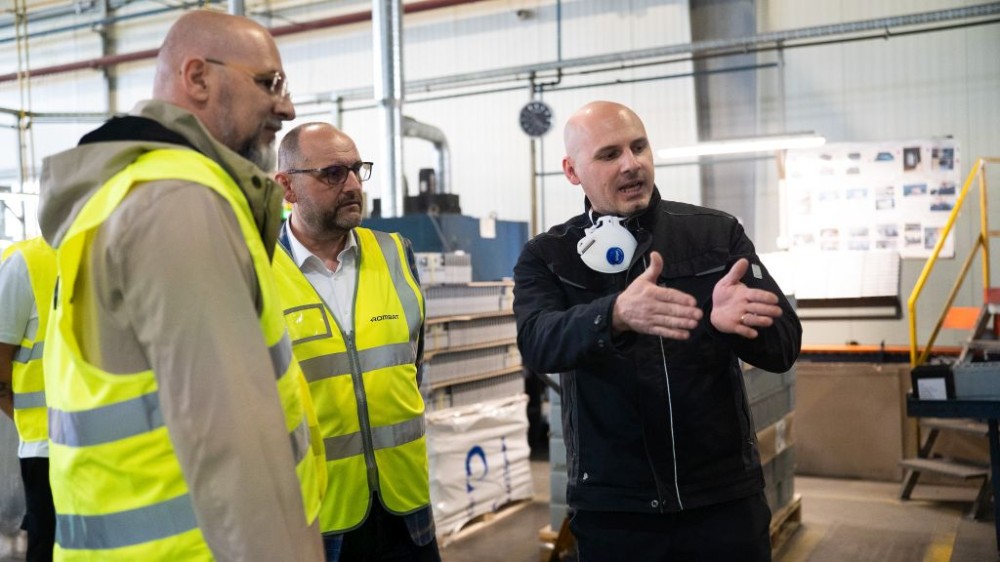
DB: Rombat SA is also part of an international group. What are the benefits of belonging to such a group? What do you think came from there to the factory in Romania?
Alin Ioanes: One extremely important element relates to governance, because we had a Romanian company built on a certain operational structure, with some limitations. The fact that we implemented corporate governance elements at Rombat helped us tremendously to stay aligned with the times. For example, a few years ago, requirements that we had already implemented 10–12 years earlier became mandatory by law – we were already prepared. We are also talking about sustainability matters. We already had all those elements integrated into our governance. We are also referring to ethics, human resources management and process auditing. All these elements helped us greatly structure the business and build it on different foundations starting 12 years ago.
Another element – extremely important from my perspective – is the exposure to different cultures within the group and the way we understand businesses from different perspectives. The exchange of know-how between subsidiaries is also an important element, capable of generating synergies both in operational processes and in the technical area.
DB: How do you decide among so many types of batteries demanded by the market? Where do you need to accelerate? Where should you keep things as they are? What other industries do you produce batteries for?
Alin Ioanes: At one point, I said that we are somewhat of a “boutique factory.” Indeed, we are the only supplier from our part of Europe for the OEM sector, for first assembly. At the same time, we are suppliers for many brands that we cannot name at this moment, and this is reflected in the fact that over 65% of our production is exported.
I say we are a “boutique factory” because we produce approximately three million batteries per year. This production capacity level is not necessarily considered large in our industry, but we cover almost the entire product range in the field – starting with automotive batteries, continuing with motorcycle batteries, stationary batteries, military batteries, energy storage batteries and UPS batteries.
Collaboration with automotive manufacturers is extremely useful in helping us understand what technologies we can develop for the coming years. Working alongside them helps us develop technologies that will be used over the next 2, 3 or 4 years in the automotive sector. Therefore, we have this predictability regarding areas where we can technologically develop.
Another guiding element is, of course, the market itself, which provides us with certain directions. Equally important is not dispersing our efforts in too many directions, considering that our resources are extremely limited.
Last year we opened a production line dedicated to the heavy-duty sector, for trucks and agricultural machinery. We produce batteries, including EFB batteries, which from our perspective represent the spearhead of these product ranges. We also have AGM batteries compliant with these specialized technologies.
DB: You are one of the major energy consumers, as all manufacturing processes consume huge amounts of energy. But I know you also produce your own energy. How does battery production integrate into sustainability?
Alin Ioanes: I believe we are the only manufacturer using almost 100% green energy. A large proportion of this green energy is produced by us through our photovoltaic parks, while another part is purchased from a Romanian supplier generating hydroelectric energy.
As a result, almost 100% of the energy we use is green energy. I don’t think there is another manufacturer in Europe that can not only claim this, but also prove it.
Another important sustainability element is that we were the first company in the group to have a sustainability strategy, already implemented three years ago. We are fully integrated 360 degrees and have our own recycling capability in Copsa Mica, allowing us to recycle batteries collected from the market and beyond. We recycle approximately 30,000 tons of used batteries annually.
As an interesting fact, the lead-acid battery is the most recycled and recyclable product in the world. 99% of its components are recycled and reintroduced into the production circuit. Although it may sound unbelievable, the automotive battery is the most recyclable product worldwide.
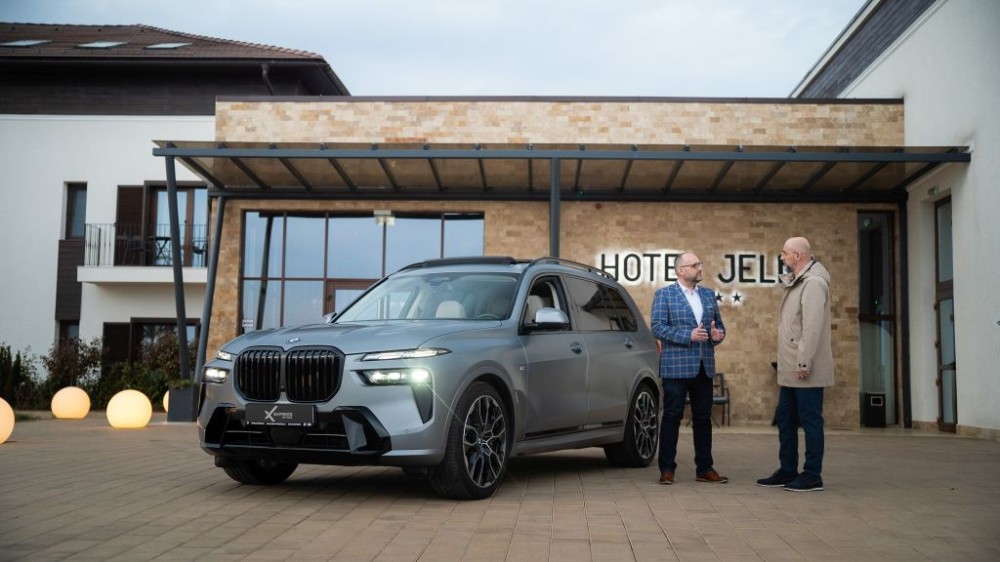
DB: You also lead the Rombat Foundation. Through the foundation, you are involved in all kinds of activities, both cultural and sports-related. What drew you toward this area?
Alin Ioanes: We started the activities within the Rombat Foundation about three years ago. I strongly believe that we should leave something behind us and, beyond that, give something back to the community, because ultimately the community contributes together with us.
I’m not hiding the fact that this year we have a very ambitious project to develop, in partnership with the city hall and another company, a center of excellence and an educational center for the city of Bistrita. Through this initiative, children with exceptional abilities, as well as children without financial opportunities, will be able to benefit from excellence in education, coaching, educational guidance and – why not? – a space where they can pursue their hobbies.
DB: The CEO role consumes a lot of your time, because otherwise it would be impossible to manage everything. How much time do you still find for your passions and family?
Alin Ioanes: I don’t necessarily have a lot of free time available, as you mentioned. I enjoy riding motorcycles, but I have less and less time for it. Beyond that, throughout our discussion I repeatedly mentioned education – something I strongly believe in is doing certain things yourself first before asking others to do them.
I am one of the people involved in a new educational program. I am currently participating in a fairly extensive program at Harvard University. Naturally, this also consumes time resources that I might otherwise dedicate to personal matters.
In conclusion, personal time is almost nonexistent at the moment, but I believe it is being used in a way that adds value…
DB: …and efficiently. So efficiency characterizes you even in your personal life. Solving things quickly, but properly done in the end. If you were to give advice to a young person starting out in the industrial sector, what leadership advice would you give?
Alin Ioanes: If someone is just starting in the industry we operate in, it is very important to understand it operationally before anything else. The correlation between production, finance, product, marketing, technical flow, research and development is essential to understanding the business itself.
Therefore, any young person wanting a career in this field should go through this interdisciplinary experience. They should be active in all these areas and understand them before positioning themselves in a specific business function.
Behind KPIs and financial indicators there is a vast operational area that must be understood. And in our industry, operational efficiency is the key to success.
DB: Let’s return to the automotive area. What was your first car? Do you have a memory from your early days as a young driver?
Alin Ioanes: My first car, which I still remember very well, was an Opel Vectra. Back then, around 1998, I think it was considered a supercar in Romania. Just like the BMW 3 Series “bear cub,” these were benchmarks for that generation. The Opel Vectra was also an extremely versatile car and one that was deeply rooted in the collective mindset of that era. It was my first car and I remember being extremely careful not to let it get damaged, scratched or marked in any way. That’s what I mainly remember from those days.
DB: I think caring for your car characterized all of us during that period. I admit that I started with a Dacia 1310 with the CN dashboard – those models were especially sought after, they had a different design and seemed more “modern.”
Alin Ioanes: It wasn’t easy to own your own car back then, which is why people valued and cared for them so much. At that time, for a young person, buying a car required an unimaginable effort. I remember that when we were students, nobody around me had a car. The idea of being a student and owning a car simply didn’t exist. Nowadays, I think most students own a car. So the effort needed to purchase a car or save enough money to buy one is completely different today.
That’s why I think the attention and importance we gave to our cars were directly related to the effort required to acquire them. But even before owning my own car, I was thrilled every time I managed to get my hands on my father’s car and go on little adventures with that yellow Dacia…
DB: You chose a BMW X5 as your personal car. Was it because it’s a good family car while also satisfying your sporty needs, or do you also drive another car that’s just yours?
Alin Ioanes: Generally, as Romanians, we look for a car that fulfills almost all our needs – personal, business and family-related. That’s exactly how I viewed the BMW X5: a car that covers the need for weekend trips with the family, mountain drives, business travel, and at the same time is a safe car, considering that road safety in Romania is extremely important. Especially since we are still, by far, number one in road accidents.
DB: Apart from the 3 Series, which you’ve always loved, do you have a top three list of models, regardless of brand, that always caught your attention or that you followed even if you never drove them?
Alin Ioanes: I like the Mazda MX-5. It belongs to a completely different category, but it gives you that driving pleasure, that feeling of freedom and connection with the road. I also admired over time how well Volkswagen connected with consumer needs through the Volkswagen Golf. It’s a benchmark model because of how well it managed to appeal to its audience. In another area, I really like the Porsche Cayenne, both from a design and positioning perspective
DB: What’s your relationship with motorcycles like? When did you discover them and what attracted you to that world?
Alin Ioanes: I was in the UK, where I managed a company for about six years. One of my colleagues, who came from Canada, was a passionate motorcyclist and he drew me into this beautiful “trap” of motorcycling. At that time, I bought a BMW GS 1200.
DB: You remained loyal to the brand, only changing the number of wheels…
Alin Ioanes: Yes, interestingly enough, his recommendation – although it had nothing to do with my affinity for the BMW automotive brand – still pointed toward this brand. Why? Because in the touring segment, the BMW GS 1200 is truly an icon. It’s an extremely stable, dynamic and versatile motorcycle, suitable both for road riding and – to a limited extent, of course – off-road riding. It is recognized as an extremely stable motorcycle and heavily used in touring.
I went on an expedition to Chile. We met many motorcyclists there crossing South America by motorcycle. I think, without exaggerating, somewhere around 70–80% of them owned BMW GS motorcycles.
DB: Did you do such an adventure on two wheels or four wheels?
Alin Ioanes: In South America it was on four wheels. I had a motorcycle there for a short period, but mostly it was by car. I’m what you could call a weekend motorcyclist. My time is very limited, so even from that perspective I only have a very narrow time frame in which I can go out and enjoy this hobby.
Lately I’ve become increasingly afraid, because I see so many accidents on Romanian roads, with many motorcyclists involved in very serious and even fatal accidents. I also developed some fear of going out alone on the motorcycle. When I ride, I prefer going in groups, with more people, so we have a better sense of safety anchored in reality.
DB: I think motorcycling as a hobby always includes this very important social component – groups of motorcyclists going out together, exploring together or simply meeting and talking frequently.
Alin Ioanes: It’s a small community that is becoming bigger and bigger. Motorcycling is becoming an increasingly popular hobby and sport. I see many young women starting to join this movement, which is very good. I think I know where we still need to improve a bit: raising awareness among traffic participants to respect two-wheel riders more. But there’s another aspect from my perspective: sometimes there is also excessive recklessness from those riding on two wheels.
DB: Does anyone in your family share your affinity for motorcycles?
Alin Ioanes: At the moment, no. My younger daughter would like to start exploring motorcycling a bit. However, she’s rather short and has some stability issues on a motorcycle, but I encourage her to try if she wants to go in that direction.
DB: How do you see the changes happening in the electrification area in the context of energy issues and costs?
Alin Ioanes: I believe the European automotive industry is at a crucial moment. Over time, the automotive industry relied on incremental improvements. We know very well these “continuous improvement” processes focused on enhancements, including in the pollution area: the transition from Euro 2 to Euro 3, 4, 5, 6 and so on. Against this background, both the business model and the structure of the product spectrum essentially remained the same.
What are we facing now in the automotive industry? We are talking about a disruptive business model brought by the electrification sector. It is a completely different business model. We are talking about vertical integration and a product structure built on a totally different logic compared to the previous product. We are talking about different types of suppliers, which is why we see traditional players struggling to position themselves in the electric car market.
Even the construction platforms for combustion-engine vehicles are based on completely different logic than the platforms on which electric cars are built.
DB: Since we discussed the challenges currently facing the automotive industry, do you see the influx of Chinese models as a new challenge for the automotive industry?
Alin Ioanes: Competitors from the Far East will increase their market share in the coming period. When a brand – whether Chinese or from another country – offers you multiple benefits at half the price, it becomes difficult to remain loyal to a certain brand.
I’m saying this because statistical data from the first months shows that three out of five cars sold, for example, in various parts of Romania are Chinese cars. With the development of dealer networks, with networks that are very well established in Romania, and with warranty conditions of five or even seven years, when you have cars priced at 60% of the price of European competitors and extremely well equipped from a features perspective, the decision becomes fairly simple for many consumers.
The first thing we need to focus on is the consumer and how consumers react to the market, so that we can meet their needs.
It seems like a paradigm shift if we look back. Ten or fifteen years ago, European automotive manufacturers were transferring know-how to Chinese manufacturers, who at that time were only beginning to develop reliable internal combustion engine vehicles. We were exporters of know-how to that area.
Meanwhile, the paradigm changed. As I said, the electric vehicle is based on a completely different logic and a completely different platform. Chinese manufacturers are much more advanced from many perspectives and have developed significantly. They strongly focused on R&D in this area.
As a result, we now find ourselves unable to keep up with what this technology represents for the automotive industry.
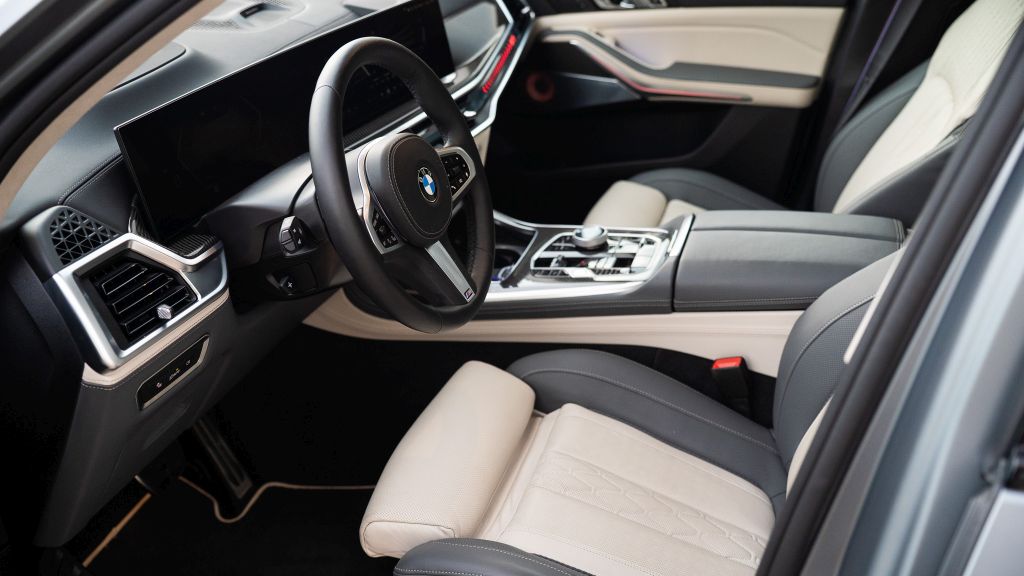
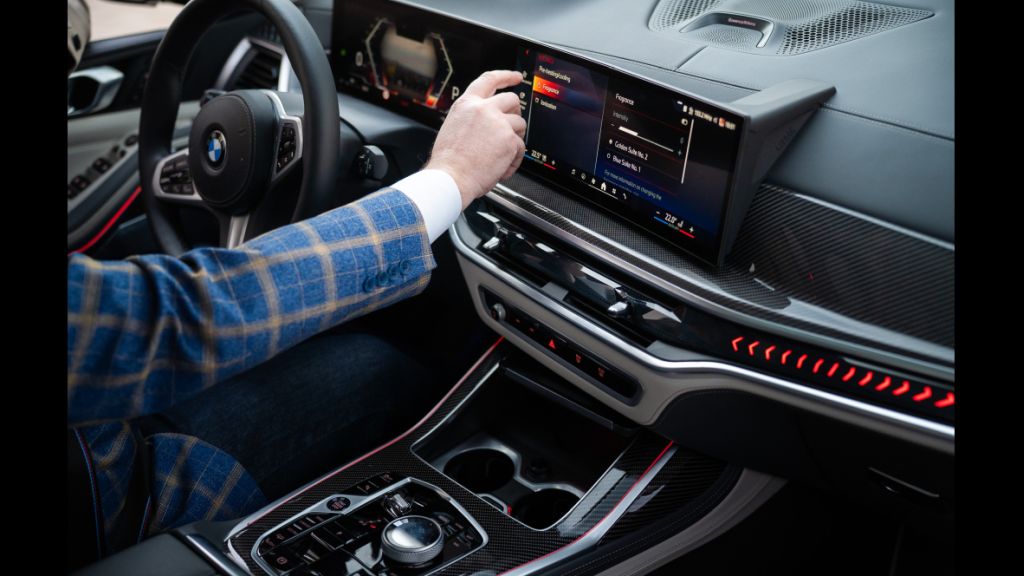
DB: What did you think of the BMW X7 today? What do you think is good and what do you think is not so good? Especially since you own an X5, so the experience is very familiar…
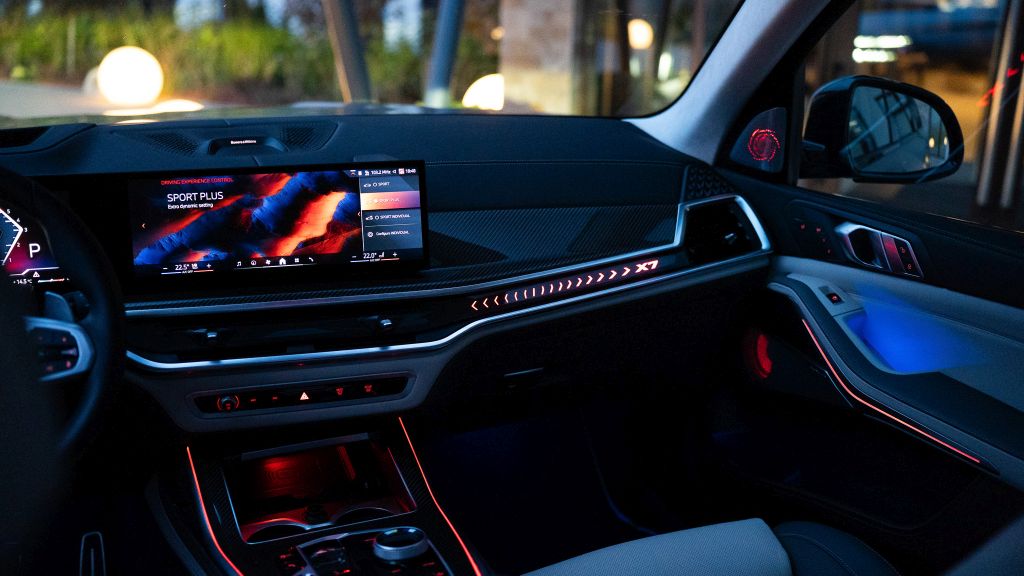
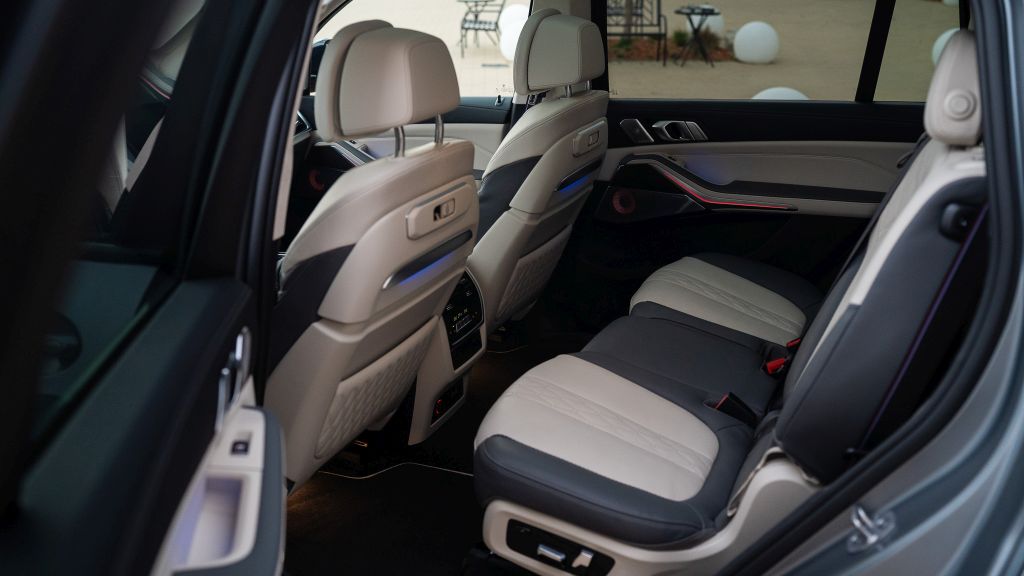
Alin Ioanes: I like the car. It’s a premium vehicle and representative of the BMW brand. Just like the X5, I believe it’s extremely agile for its size. It’s a car that prioritizes comfort above many other things. It incorporates a lot of technology.
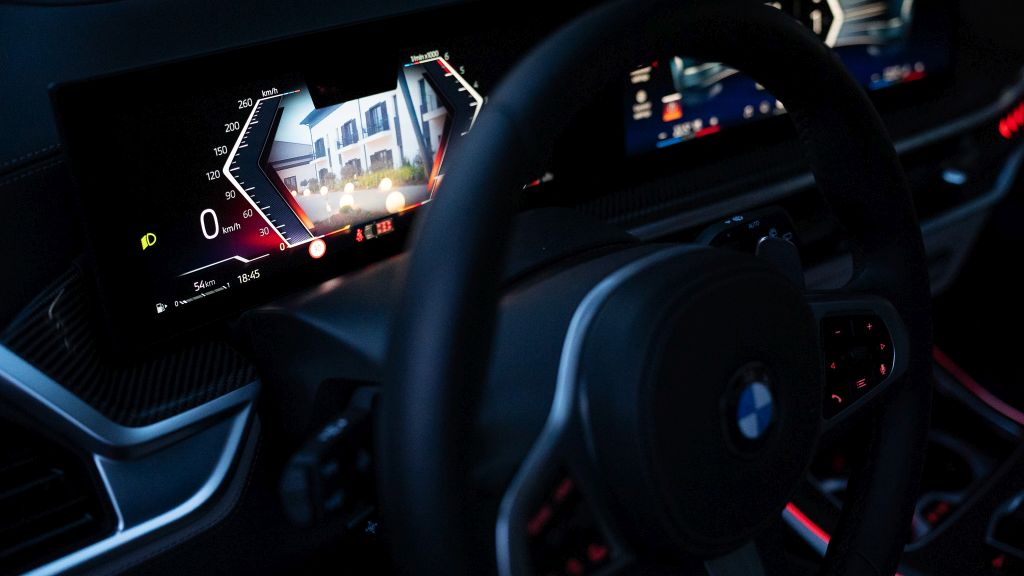
At the same time, I’m not a fan of eliminating physical buttons. The fact that buttons have disappeared and we now only have digital commands on a display from which we select various functions can, from my perspective, become confusing. It can also distract your attention from driving if you spend several seconds searching for a certain function on the touchscreen.
Otherwise, I see quality materials, although I noticed some details I would still improve a little – considering this is BMW’s highest quality segment. I like that it has this sound design element very well aligned with today’s reality.
Other than that, I’m not sure what else I could add or mention. That’s about it…
DB: I’m glad we had the opportunity to talk so much together, to share stories and to get to know the person behind such a well-known brand, not only in Romania.
Alin Ioanes: Thank you very much, it was a pleasure, and we’re waiting for you to come back whenever you’re in the area again. Surely, every time you come here you’ll find something new that will delight you and raise questions about the relevance of this industry within the entire dynamics of the Romanian economy.