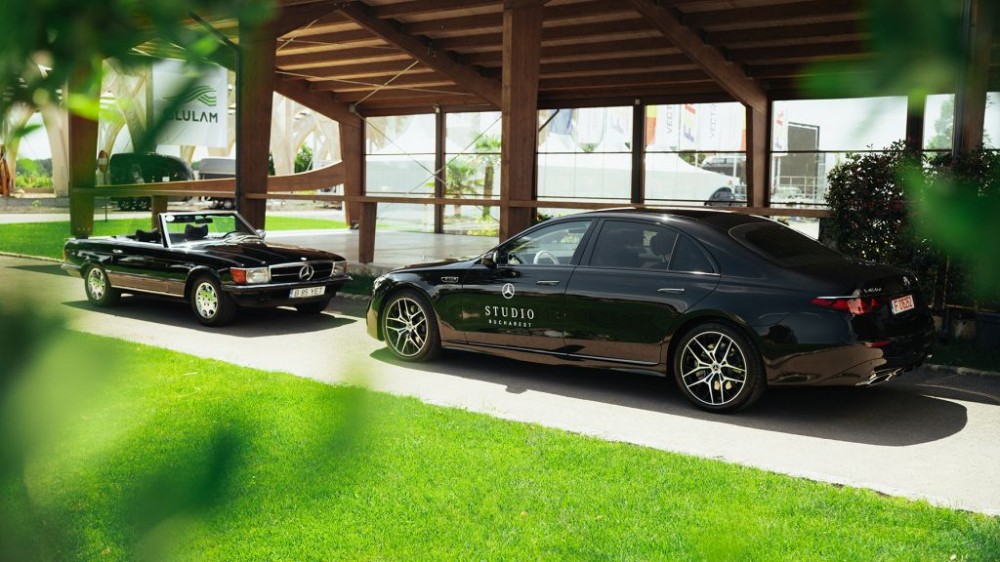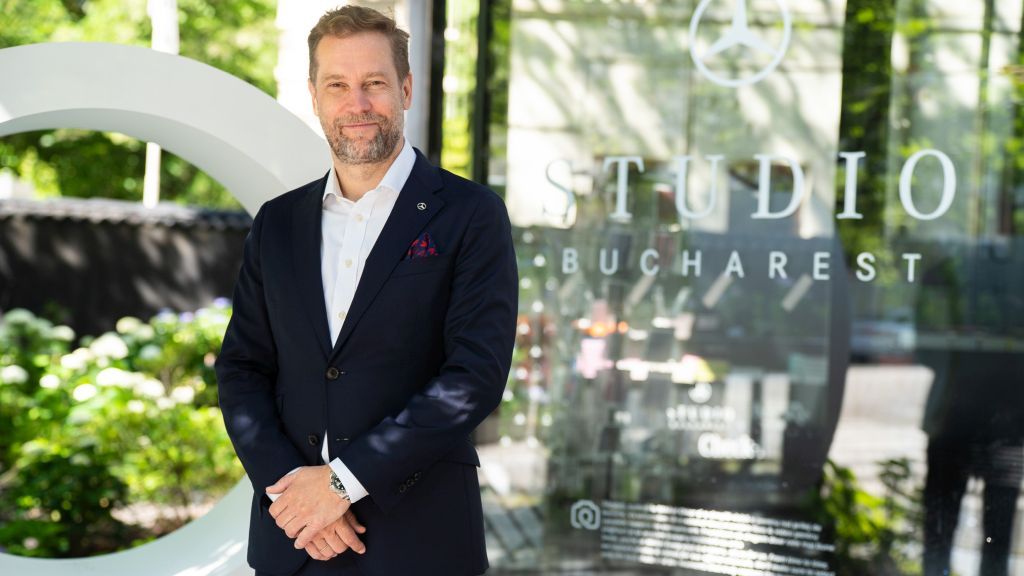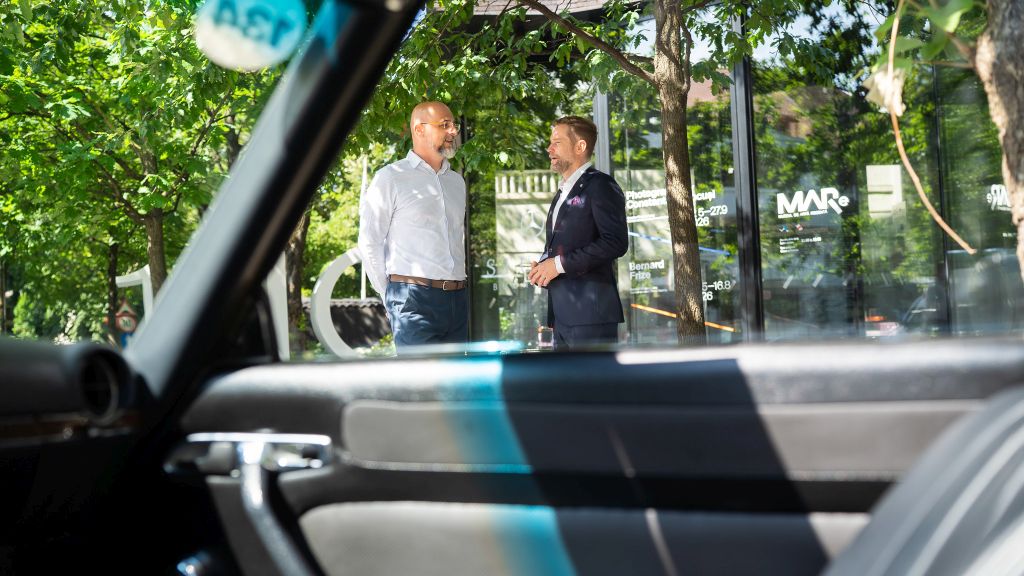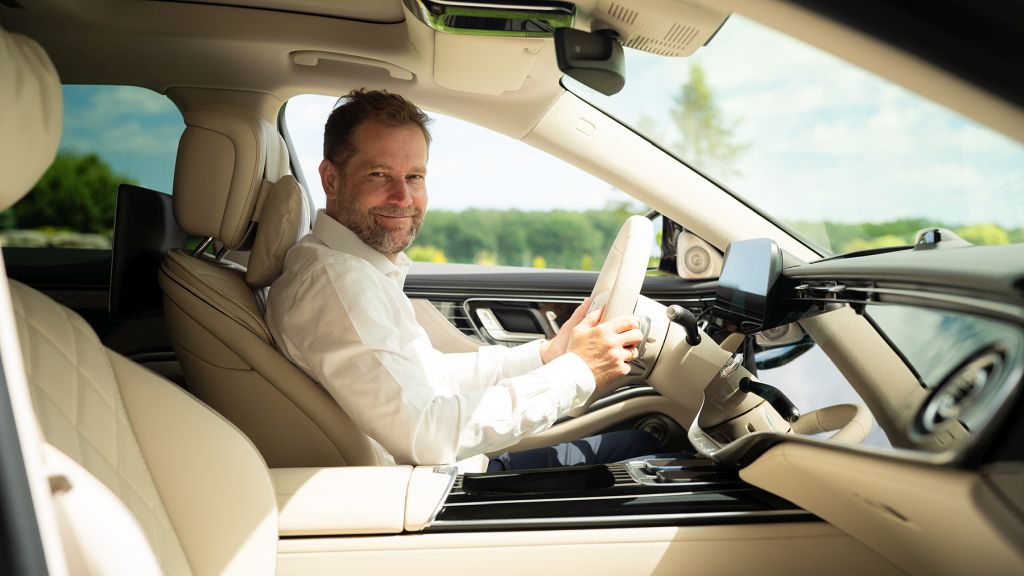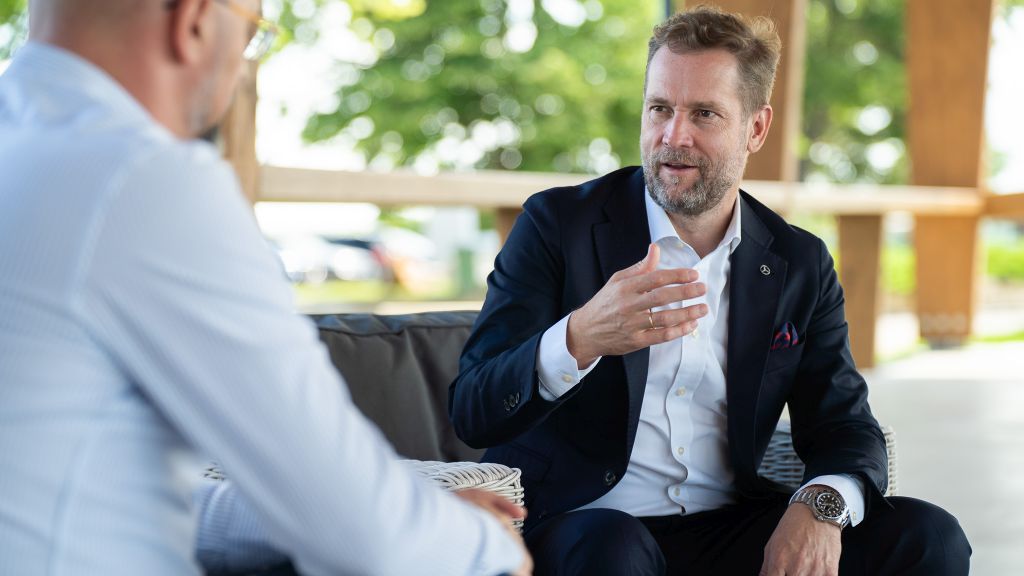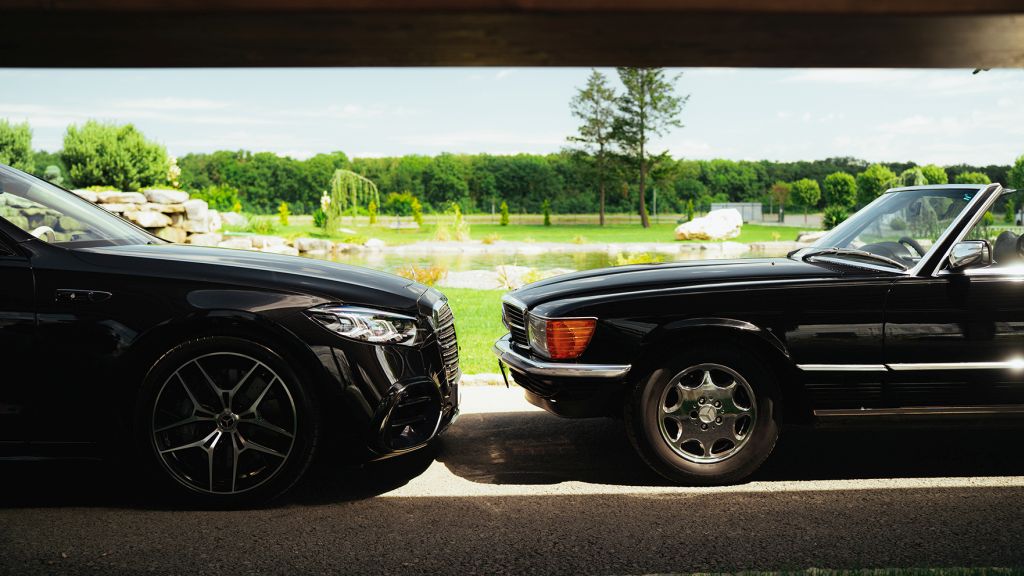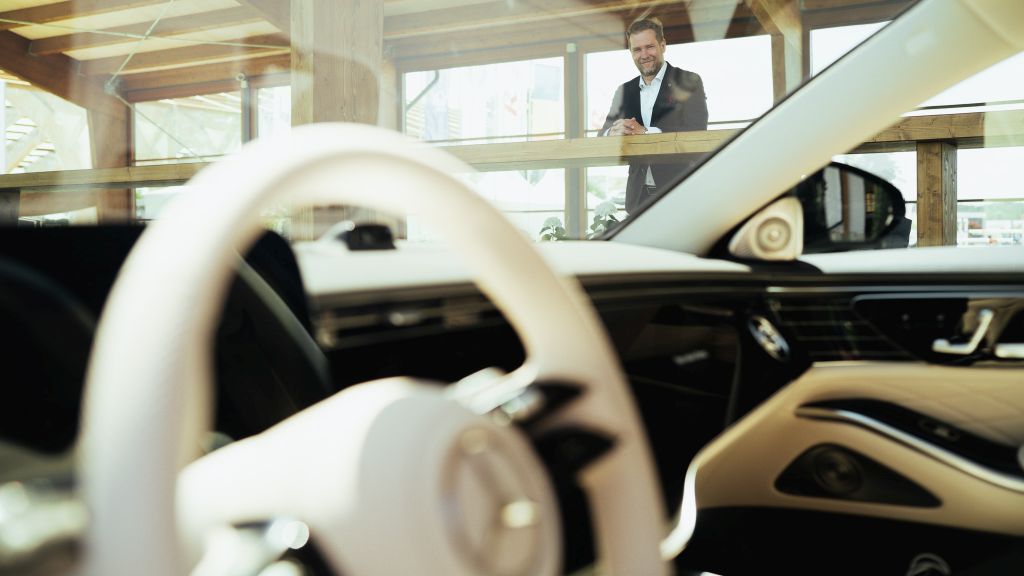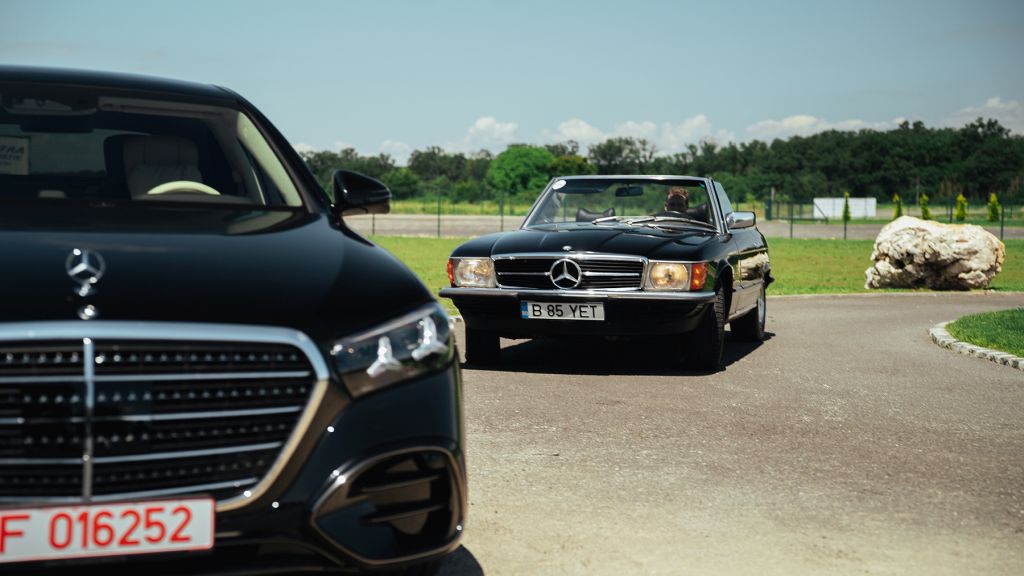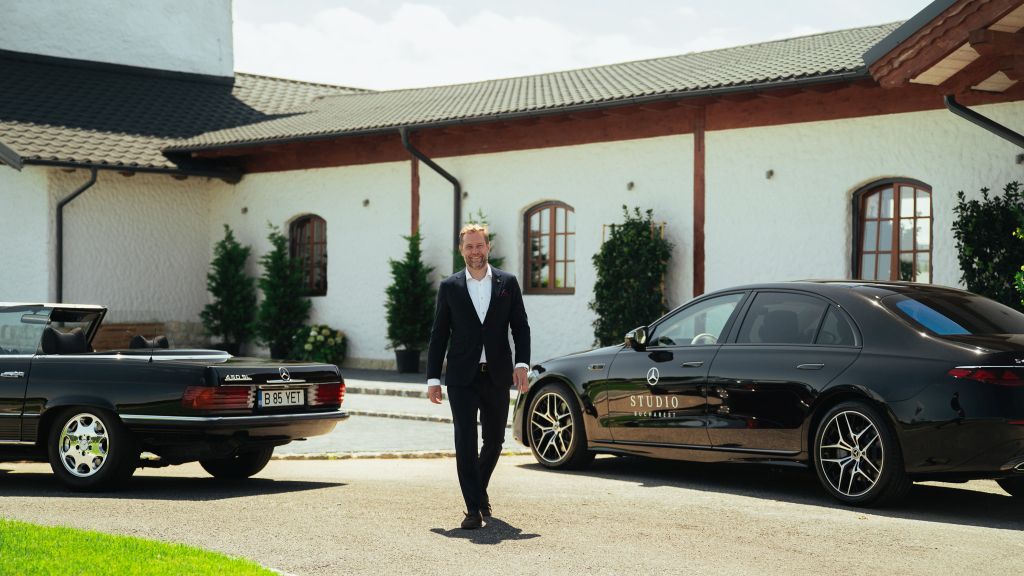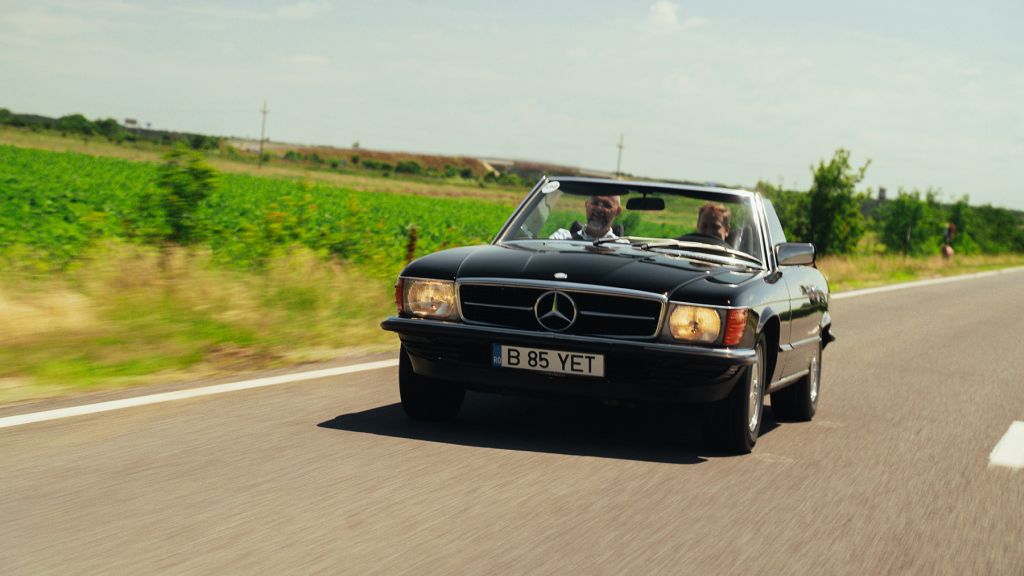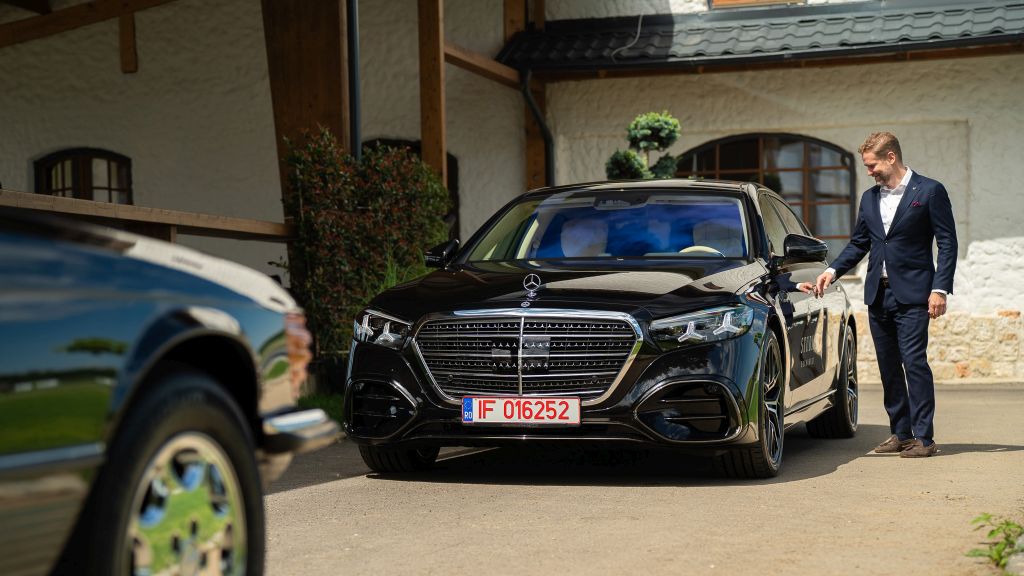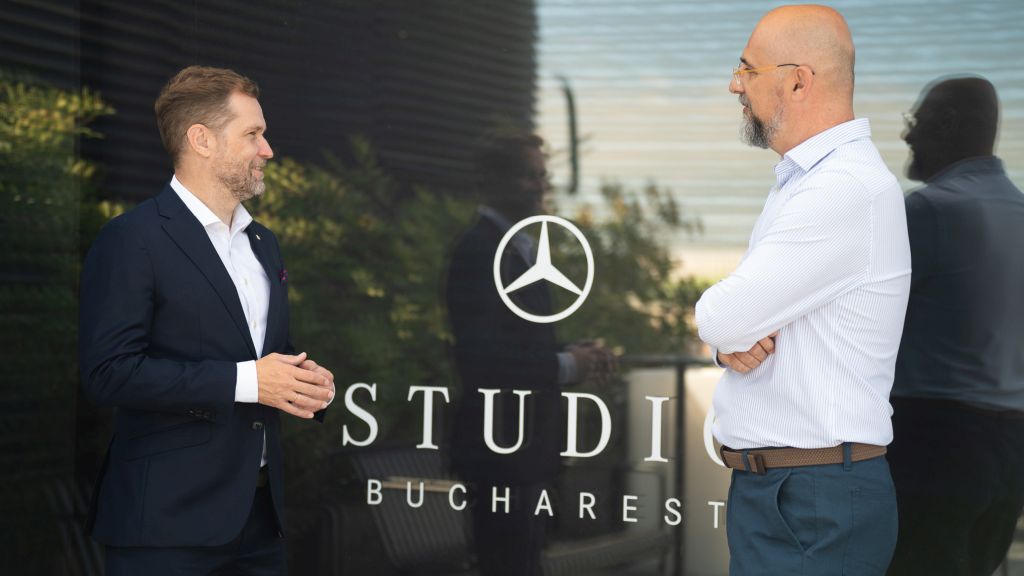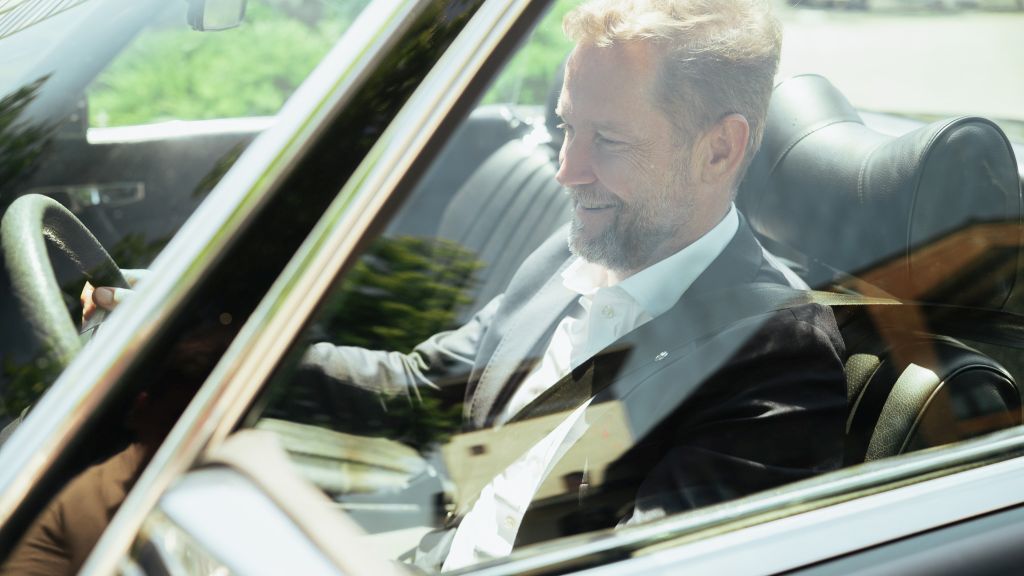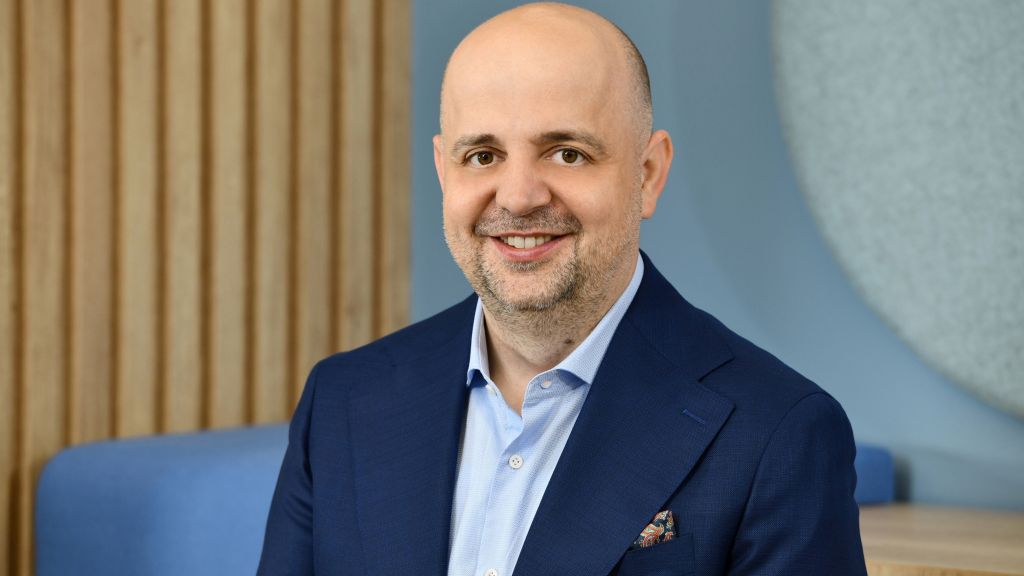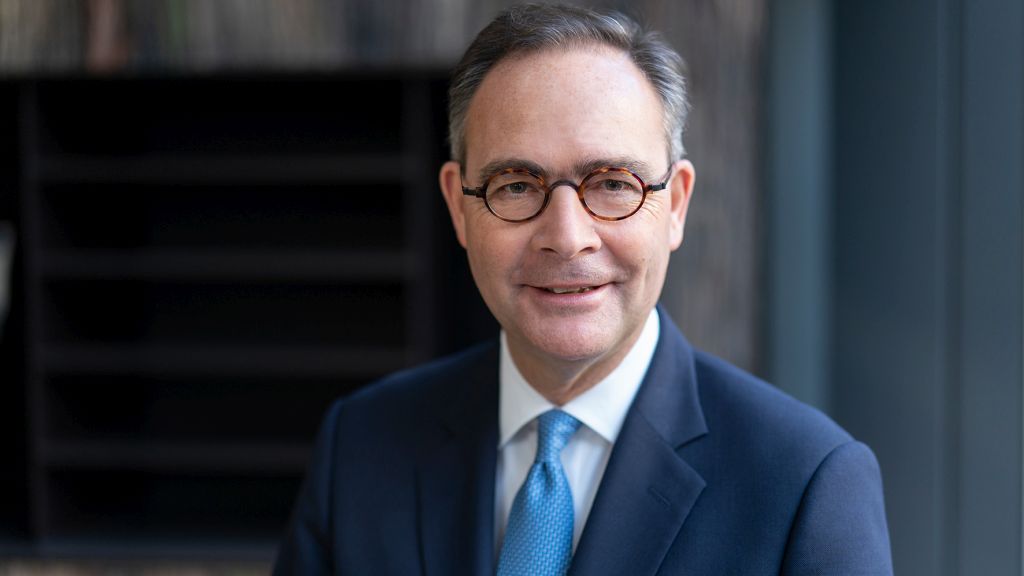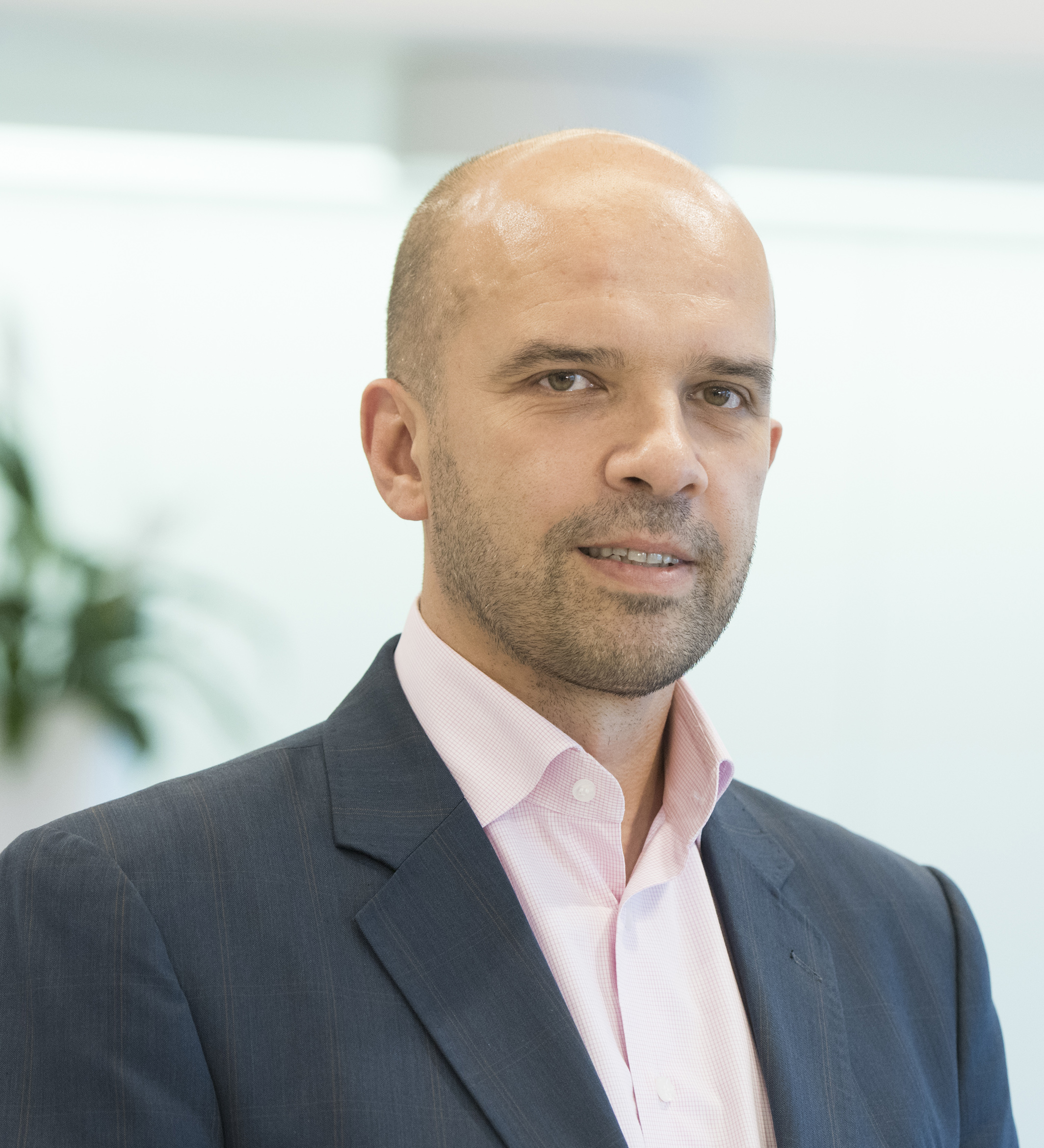
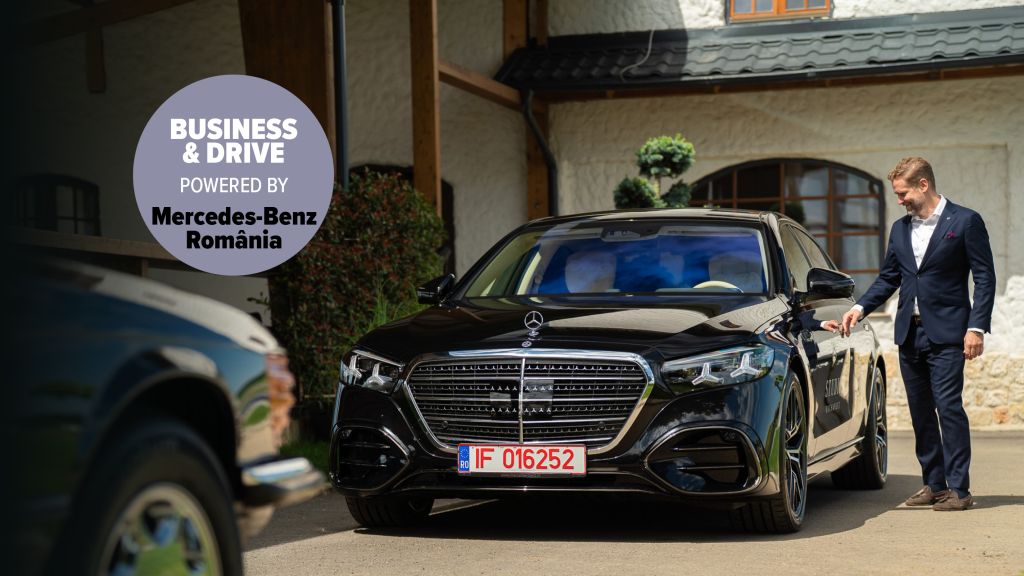
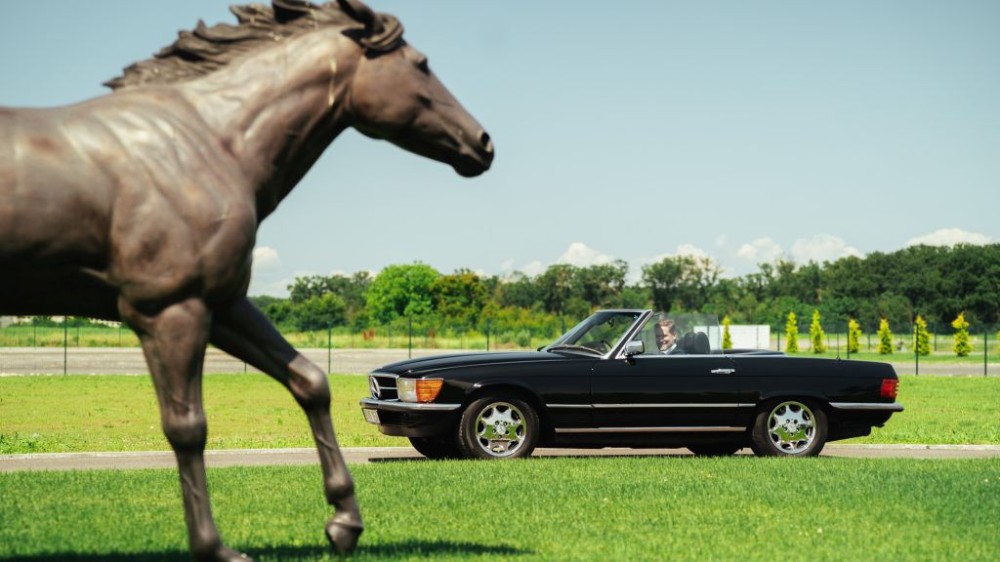
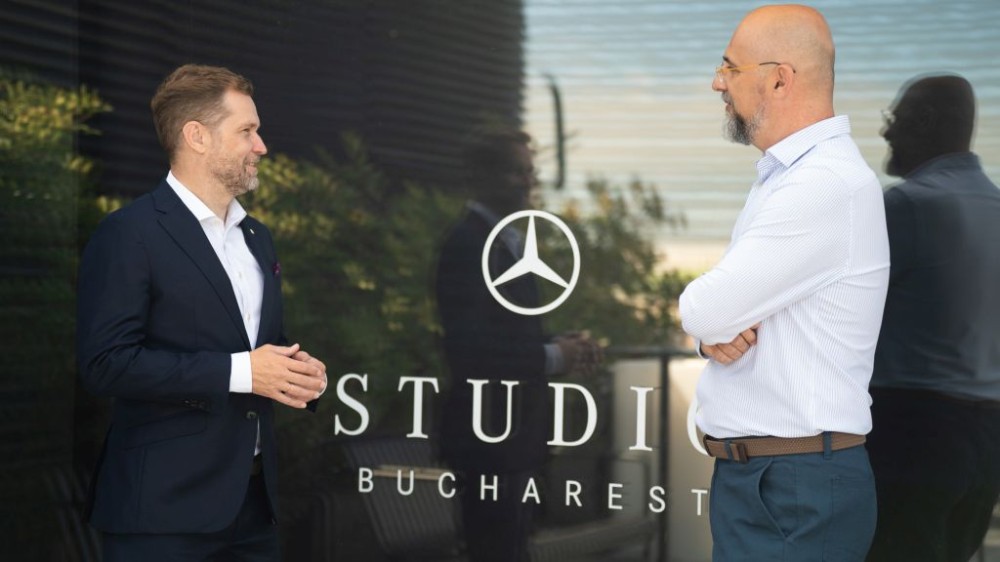
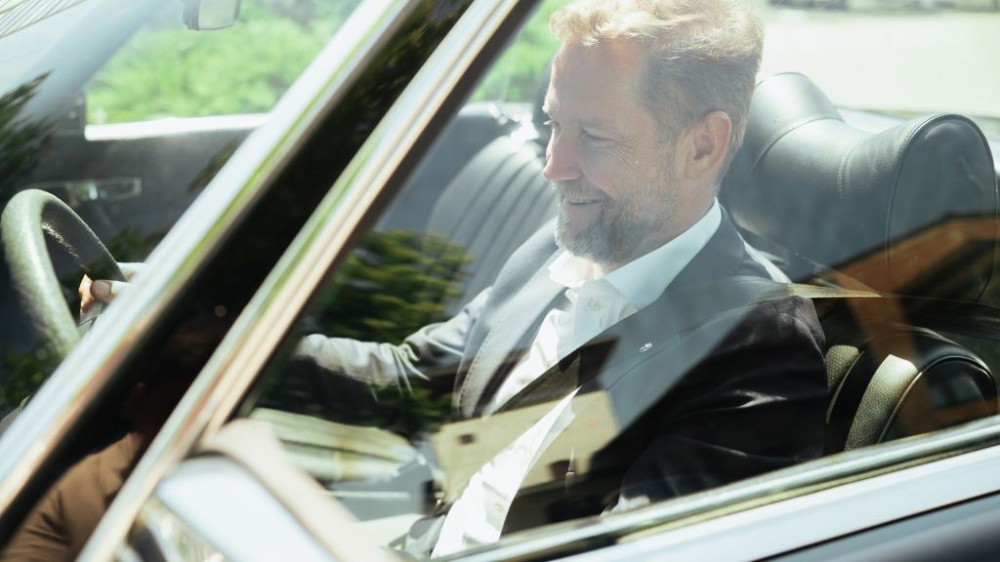
In the latest Business & Drive interview, Kai-Uwe Trillenberg, CEO of Mercedes-Benz Romania, reflects on the automotive industry through the lens of technology, emotion and responsibility — three forces that, in his view, increasingly belong together. Drawing on a career shaped across several international markets, from Europe to China and Thailand, he discusses the pace of transformation, the lessons he has brought back from Asia, and why European brands must remain agile without losing their depth. The conversation looks not only at the major shifts reshaping the industry, but also at the more personal side of the executive. For the photo shoot, we chose two locations that capture both heritage and movement: the Museum of Recent Art and the Vectra Horse Club equestrian centre.
Toader Ilie: Before we discuss your career in the automotive industry, I'd like to go back to the very beginning. When did you realize this was the path you wanted to pursue, and what drew you to it? Was there ever a point when you seriously considered a completely different career?
Kai-Uwe Trillenberg: I don’t think there was one dramatic moment when I said, “This is it.” It was more something that grew over time.
Cars always fascinated me, but not only as machines. For me, cars are about freedom, movement, engineering and emotion. They connect people and places. And in this industry, you never deal only with a product. You deal with people, with dreams, with expectations and with very personal decisions.
That combination attracted me from early on. You have a highly complex technical product, but at the end of the day, the decision is often emotional. A car is rarely just a rational choice.
Of course, when you are young, you can imagine different paths. I could also have seen myself in other areas of business or general management. But automotive has a special energy. It never stands still. You have to learn, adapt and look ahead all the time. That is probably what kept me here.
T.I.: Your career has taken you across Europe, China, Thailand, and now Romania. Looking back, what lessons or perspectives have you brought from Asia, and which of them do you believe could prove especially valuable for European markets, including Romania?
Kai-Uwe Trillenberg: Asia taught me speed and adaptability. Especially in China, you understand very quickly that speed is not a slogan. It is a daily reality. Customers move fast, competitors move fast, technology moves fast. Sometimes the market changes before your internal process is finished.
Thailand gave me another important perspective. Transformation only works if you bring people with you. You cannot lead change only with PowerPoint. You need trust, clarity and the willingness to listen.
And of course, I was also strongly shaped by the mentors, bosses and colleagues I worked with during that period. When you work in different cultures, you learn that there is never only one way to look at a challenge. That makes you more open, more pragmatic and, I think, also more humble.
For Europe and Romania, this is very relevant. We have strong brands, strong heritage and demanding customers. But we also need to stay agile. We need to test, learn, adjust and keep moving. Waiting for the perfect moment is not always the right strategy.
T.I.: Europe's automotive industry has reached a point where it can no longer overlook the rapid rise of Chinese manufacturers. In your view, what remains the defining competitive advantage of vehicles engineered and built in Europe?
Kai-Uwe Trillenberg: First of all, I think we should respect the speed, ambition and innovation coming from Chinese manufacturers. Competition makes the industry better. It forces everyone to move.
But Europe has a very strong advantage: depth. Engineering depth, safety culture, quality understanding, design confidence, driving dynamics and long-term trust. A car is not only about an impressive feature or a fast launch cycle. It must work over years, in real life, in different conditions, for customers who expect excellence every day.
For Mercedes-Benz, this is especially important. We are not only building cars with technology. We are building desirable, intelligent and emotional products with a very clear promise behind them. That promise is based on 140 years of innovation, experience and trust. That cannot be copied quickly. It has to be earned.
T.I.: Throughout your career, you have overseen major projects involving BRABUS, AMG, and high-performance vehicles. Is there one Mercedes-Benz model that holds a particularly special place for you, one that deepened your connection with the automotive world on a personal level?
Kai-Uwe Trillenberg: If I have to choose one, I would say the Mercedes-Benz SLS AMG.
For me, the SLS has everything that makes a car unforgettable. It has performance, presence, sound, design and a very strong character. It is not just technically impressive. It makes you feel something before you even drive it.
That is also what I learned from my time connected to AMG, BRABUS and high-performance vehicles. Customers in this segment are not only looking for power. They are looking for individuality. They want a car that reflects who they are and how they want to experience the road.
This is also why I find the Mercedes-Benz MANUFAKTUR programme so relevant. It brings this personal dimension of luxury to life: special colours, materials and details that make a car feel truly yours.
For me, the best Mercedes-Benz models are the ones that combine performance with character, craftsmanship with technology, and precision with emotion. The SLS AMG is exactly that kind of car.
T.I.: For more than 140 years, Mercedes-Benz has successfully navigated technological revolutions, economic crises, and profound societal change. Looking ahead, what do you believe will be the defining challenge of the brand's next era?
Kai-Uwe Trillenberg: For me, the biggest challenge is clear: we have to lead transformation without losing emotion.
The industry is changing at extraordinary speed. Electrification, software, artificial intelligence, new competitors and new customer expectations are all developing at the same time. This is exciting, but it also means that we have to stay very focused on what makes Mercedes-Benz special.
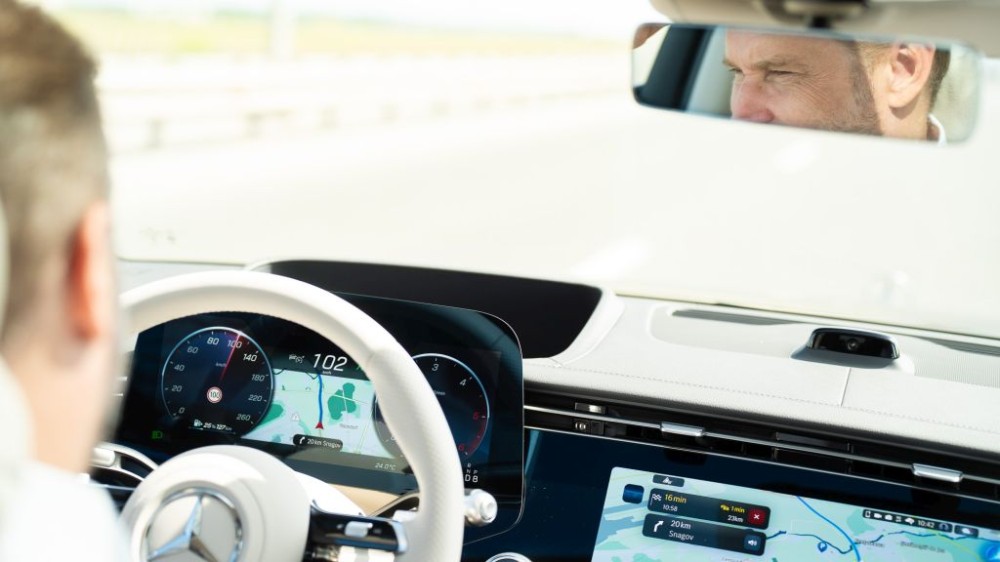
Technology alone is not enough. It has to be meaningful. It has to make life easier, safer, more comfortable and more desirable. The future must still feel like a Mercedes-Benz when you sit inside, when you drive it and when you look back at it after parking.
And I think this is where the “Welcome home” feeling becomes very important. A Mercedes-Benz should not feel cold or anonymous. It should give you a sense of confidence, comfort and familiarity from the first moment. You enter the car and you feel: this is my place. Everything is where it should be. The quality, the atmosphere, the technology, the silence, the way the car responds. It all comes together in a way that feels natural and reassuring.
That is the real challenge. To embrace the future, but not become distant. Mercedes-Benz has always stood for engineering excellence, safety, quality, beauty and trust. These values do not become less important in the electric and digital age. They become even more important.
T.I.: If we go back to Karl Benz and the Patent Motorwagen, what, in your opinion, is the founding idea that continues to define the DNA of Mercedes-Benz today?
Kai-Uwe Trillenberg: The founding idea was courage.
Karl Benz did not just improve mobility. He reinvented it. That is a very big difference. He created something the world had not seen before. And behind that was a very powerful belief: that engineering can change the way people live.
I think this is still part of the Mercedes-Benz DNA today. The brand was not born to follow a market. It was born to create one.
But innovation for Mercedes-Benz has never been only about being first. It has to be meaningful. It has to be reliable, beautiful and valuable for people. It must combine technology with trust.
That is why the Patent Motorwagen is more than a historical milestone. It is a reminder. Every era asks Mercedes-Benz to invent its own future again. In the past, that meant creating the automobile. Later, it meant setting new standards in safety, comfort, performance, design and luxury. Today, it means shaping electric, digital and intelligent mobility in a way that still feels unmistakably Mercedes-Benz.
T.I.: At a time when the automotive conversation is increasingly shaped by software, artificial intelligence, and electrification, how is the very definition of luxury evolving for today's Mercedes-Benz customer?
Kai-Uwe Trillenberg: Luxury today is becoming more personal, more intelligent and more effortless.
In the past, luxury was often about what you could see and touch: materials, craftsmanship, space, design or performance. These elements still matter a lot. But customers today also expect the car to make their life easier.
A quiet electric drive can be luxury. A digital system that understands what you need can be luxury. A car that makes a long journey feel calm, safe and intuitive can also be luxury.
For me, modern luxury is less about display and more about how it makes you feeling better. It is about confidence, comfort and ease. It is the feeling that every detail has been thought through.
T.I.: You have played an important role in transforming retail operations through initiatives such as Retail of the Future. How do you see the relationship between customers and dealerships evolving over the next decade?
Kai-Uwe Trillenberg: Dealerships will remain very important, but their role will change.
Customers already do a lot digitally before they enter a showroom. They research, configure, compare and sometimes make most of their decision before they speak to anyone. That is reality.
But especially in the premium and luxury segment, trust is still built by people. A Mercedes-Benz showroom is not only a sales point. It is part of the brand experience. Customers must feel the same level of confidence, quality and attention to detail in the showroom as they feel in the car.
The future is not digital instead of human. It is digital where it saves time and creates convenience. And it is human where it creates confidence, understanding and trust.
That is where premium retail will be defined.
T.I.: If you had to choose three defining moments in Mercedes-Benz history that best capture the company's spirit, which would they be, and why do they still matter today?
Kai-Uwe Trillenberg: The first one is clearly the invention of the automobile by Karl Benz. Without that, there is no automotive industry as we know it today. It shows the pioneering spirit of the brand better than anything else.
The second is our long history of safety innovation. For me, safety shows responsibility. It proves that innovation is not only about performance, status or technology. It is also about protecting people and setting standards for the industry.
The third is the tradition of Mercedes-Benz as a technology and luxury benchmark, especially through models like the S-Class. Many technologies that later became normal in the industry were first experienced at the top of our portfolio.
These moments still matter because they show the same pattern: Mercedes-Benz moves forward, but with purpose. We invent, we protect and we set standards.
T.I.: After living and working across three continents, what has surprised or impressed you most about Romania and Mercedes-Benz customers in this market?
Kai-Uwe Trillenberg: What impressed me very quickly is how emotional the connection to Mercedes-Benz is in Romania.
The star means something here. It stands for aspiration, achievement, respect and personal pride. People know the heritage, they appreciate the engineering and the design, but there is also a very personal relationship with the brand.
At the same time, I see a strong curiosity for technology and progress. Sometimes people outside the market may underestimate how open Romanian customers are to innovation, electrification, connectivity and new experiences.
And on a personal level, I appreciate the energy of Romania. There is ambition, creativity and a sense that things are moving. For someone who has lived in very dynamic markets, this is exciting.
T.I.: How would you describe the driving experience offered by today's SL 450? Can a modern grand tourer still deliver the kind of pure, emotional driving experience that enthusiasts have always cherished?
Kai-Uwe Trillenberg: Absolutely. A modern grand tourer can still deliver emotion, but it does it in a more complete way. The SL 450 gives you this open-top feeling that is difficult to replace. It combines comfort, elegance and sportiness in a very natural way.
What I like about the SL is that it understands its history without being trapped by it. It carries the spirit of classic roadsters, but with the technology, safety and refinement customers expect today.
For enthusiasts, emotion does not disappear because a car becomes more modern. If the engineering is right, technology can actually enhance the emotion. The SL is a very good example of that.
T.I.: Do you still remember your very first experience behind the wheel? What car was it, and what has stayed with you from that moment?
Kai-Uwe Trillenberg: My first own car was a smart fortwo passion. It was not the biggest car, of course, but for me it represented something very big: freedom. Suddenly, you are independent. You can go where you want, when you want. That feeling stays with you.
What I also remember is the respect for driving. The first car teaches you that mobility is freedom, but also responsibility. You are in control, but you also need attention, discipline and awareness.
I think that feeling never really leaves you, no matter how many cars you drive later in life.
T.I.: Since relocating to Romania, your schedule has been exceptionally demanding. Do you still manage to make time for your passions? What do you enjoy doing when you have the opportunity to disconnect from work?
Kai-Uwe Trillenberg: The schedule is demanding, yes. But I believe you need moments to reset. Otherwise, you cannot bring your best energy to the team or to the business.
Running helps me a lot because it is simple. No meeting, no phone, no discussion. Just movement. It clears my head and gives structure to the day.
But the most important way to recharge is time with my family. When you have lived abroad for many years, family becomes the constant. It keeps you grounded and gives you perspective.
I also like discovering Romania. The country is still new to me in many ways. A walk, a new restaurant or a weekend outside Bucharest can already feel like a small discovery.
T.I.: You once mentioned that your morning runs help clear your mind. What role has sport played throughout your life, both personally and professionally?
Kai-Uwe Trillenberg: Sport has always been important for me because it teaches discipline in a very honest way. You cannot fake consistency in sport. You either show up or you don’t.
Professionally, I think sport also builds resilience. You learn that progress takes time. You learn to push through difficult moments and to stay focused even when conditions are not perfect.
That is very relevant in business, especially in an industry that is going through major transformation.
Running gives me clarity. Some of the best ideas or decisions come when you stop sitting in front of a screen and simply move.
T.I.: How has your family adapted to life in Romania? After spending so many years in Asia, are there aspects of life there that you still miss?
Kai-Uwe Trillenberg: Every move is an adjustment, not only for me but for the whole family. But it is also an enriching experience.
Romania has been welcoming, and we are still discovering it. New culture, new rhythm, new places, new people. That is part of the beauty of living abroad.
After many years in Asia, of course there are things we miss: the food, the energy, the speed and the diversity of everyday life. Asia has a way of constantly surprising you.
But every country gives you something. Romania has warmth, character and a very special energy. We are still exploring, and I enjoy that.
T.I.: I’m curious about how your children view the future of mobility. What do they tell you about cars, technology, and the way their generation expects to move around in the years ahead?
Kai-Uwe Trillenberg: Teenagers are very honest observers.
Cars are not always at the centre of their world in the way they may have been for previous generations. Their world is school, friends, music, sport, social media and everything that happens on their phone.
But when a car feels special, they notice immediately. Design, technology, comfort, screens, atmosphere, sound, the overall experience. Their generation may think more flexibly about mobility, but emotion still matters.
That is interesting for us as an industry. We should not assume that younger people are not interested in cars. We just have to understand what makes a car relevant and exciting for them.
T.I.: I understand you were given a friendly warning about Romanian cuisine before moving here. What has pleasantly surprised you the most, and is there a particular dish that has become a favourite?
Kai-Uwe Trillenberg: Yes, I received a few warnings, mostly that Romanian food is very good and very generous. I can confirm both.
What I like is the comfort and authenticity of the cuisine. It feels warm, family-oriented and very connected to hospitality. Food here is not only about eating. It is also about welcoming people.
At the moment, I would say papanași are probably my favourite. They are definitely not light, but they are memorable. And I am still exploring, so maybe my answer will change over time.
T.I.: you could spend an hour around the table with Gottlieb Daimler and Karl Benz, what would you tell them about Mercedes-Benz in 2026? And perhaps more importantly, what is the one question you would most like to ask them?
Kai-Uwe Trillenberg: I would tell them that their idea went much further than they could probably imagine.
It changed how people live, work, travel and dream. It became freedom, progress, emotion, industry, culture and, for many people, a personal ambition.
I would also tell them that Mercedes-Benz is still guided by the same basic spirit: to invent, to improve, to lead and to create vehicles that move people in every sense of the word. In 2026, that means electric mobility, software, artificial intelligence, new luxury and new customer experiences. But the core question is still very close to the beginning: how can we make mobility better?
And my question to them would be simple: when you built the first automobile, did you have any feeling that it would become this global symbol, not only technically, but emotionally and culturally?